First Houthi Drones Sent On Israel Since Iran Ceasefire Took Effect
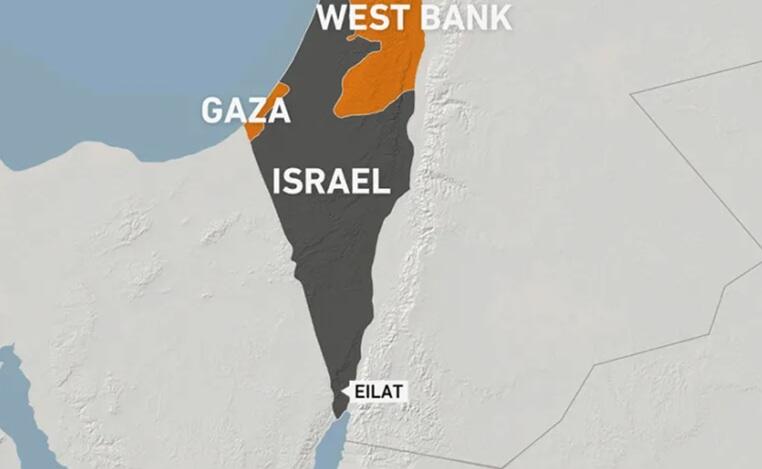
In what appears to be the first Houthi attack out of Yemen since the broader Iran ceasefire came into place starting in early April, the Israel Defense Forces said a drone “launched from the east” was intercepted by the Israeli Air Force near the southernmost city of Eilat on Tuesday.
The IDF further indicated it is believed to have been launched from Yemen, although the IDF is still investigating its origin, according to Israeli media reports. Israel’s Channel 12 is citing that at least two drones were sent.
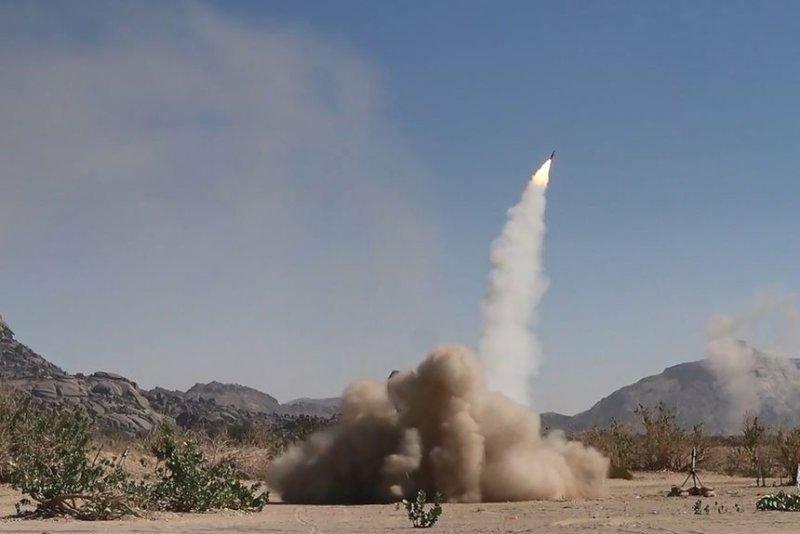
However, no sirens sounded, “according to protocol,” the military said further. The Iran-allied Houthi rebels had launched several missiles and drones at Israel during the war, in support of the Iranian side.
The Houthis also played a key role during the prior two-year Gaza war, during which time ballistic missiles targeted Israel on a weekly basis, and shipping and in the Red Sea was essentially halted due to the threat of Houthi attacks.
The Shia military group further has demonstrated its ability to reach and disrupt several of Israel’s airports, including the key international bub of Ben Gurion airport.
Throughout Trump’s Operation Epic Fury and Project Freedom the Houthis have surprisingly stayed relatively quiet and on the sidelines. But they hold a big card in alliance with Iran – the threat of again shuttering vital Red Sea shipping and seriously denting Suez Canal traffic.
In the meantime, the close cooperation between Iran and the Houthis continues to be on display when it comes to weapons manufacturing and transfers:
The Iranian-backed Houthis in Yemen continue to use Iranian components in drones, according to a new report. For instance, “external support remains a key factor in the Houthis’ ability to sustain operations,” notes Conflict Armament Research (CAR), which compiled the report.
This is important as it illustrates how the Houthis continue to assemble advanced weapons. Any future conflict with them will need to take this into account. The Houthis burst onto the scene in 2015, moving from the mountains of Yemen and trying to take the port city of Aden.
Going back to the start of the war with the Saudis and Emirates over a decade ago, it was well understood by Western intelligence that the Houthis were able to achieve impressive ballistic missile capabilities due to the close relationship with Tehran.
At various times over the years, vessels bound for Yemen were intercepted by US military ships, and found to be transferring guns, ammo, or missile parts. Iranian parts continue to be frequently found in Houthis weapons systems.
Tyler Durden
Tue, 05/12/2026 – 08:45
via ZeroHedge News https://ift.tt/EFWYhBj Tyler Durden