Beyond Cheap Fish Oil: How A 5:1 DHA Ratio Powers Brain Health & Vision

Beyond Cheap Fish Oil: How A 5:1 DHA Ratio Powers Brain Health & Vision

Omega-3s are an amazing family of fats that our bodies can’t make efficiently on their own. Long used for general heart and inflammation support, research shows that when formulated with a heavy emphasis on DHA plus targeted eye nutrients, they can support brain structure, cognitive performance, memory, attention, and eye/retinal health

Most people get very little DHA from their modern diet, especially with high intake of processed seed oils that compete with omega-3s. Studies suggest that boosting DHA intake with a targeted formula can support brain function in everyday healthy adults.

But before we get into the science…

We sell this unique Omega-3 formulation, so this is obviously an ad. As always, whether or not you buy from us – you should take note of what these studies have found when considering your daily supplement stack. 

Long story short, what we sell is a specialized 5:1 DHA-to-EPA ratio fish oil fortified with lutein and zeaxanthin (more on that below). It’s designed specifically for brain and eye support. Support yourself & support the site – buy some here

Actual product:

And now for the science

Most people think “omega-3 = fish oil = heart health.” That’s true for many standard formulas, but the type and ratio of omega-3s matter a lot when targeting the brain and eyes.

DHA (docosahexaenoic acid) is the dominant omega-3 actually built into brain cell membranes and retinal photoreceptors (making up ~50-60% of PUFAs in the retina and a major part of brain gray matter). It supports membrane fluidity, neural signaling, and visual processing. EPA is more involved in inflammation pathways. Standard cheap fish oils are often balanced or EPA-heavy. A DHA-dominant approach (like 5:1) better aligns with how the brain and eyes use these fats.

Brain Benefits in Healthy Adults

Studies on DHA-rich or high-DHA omega-3 supplementation in healthy (non-demented) adults have found:

  • Improvements in memory performance, including episodic memory, working memory, and delayed recall
  • Faster attention and quicker processing speed
  • Particularly noticeable memory gains in healthy older adults or those with lower dietary DHA intake
  • Benefits for cognitive function in people with suboptimal omega-3 status
  • Associations with better brain structure measures (e.g., larger hippocampal volumes, greater white matter volume, and entorhinal cortex thickness)
  • Modest but consistent effects across multiple randomized trials and meta-analyses

A 2025 dose-response meta-analysis of 58 studies (Nature) found that omega-3 supplementation was associated with modest but consistent improvements in attention, perceptual speed, language, primary memory, visuospatial function, and global cognition in adults. A 2013 randomized controlled trial showed that DHA supplementation improved episodic memory and reaction time of working memory tasks in healthy young adults with low dietary DHA intake (with some sex-specific effects).

The Eye Health Advantage: Lutein + Zeaxanthin

What really sets this formula apart is the addition of lutein and zeaxanthin – the only two carotenoids that accumulate in the macula (the central part of the retina responsible for sharp, detailed vision). 

They help:

  • Filter blue light
  • Reduce oxidative stress
  • Support visual performance in high-screen environments

This matters because the retina is not separate from the brain – it is an extension of it. DHA provides structural support to retinal cells, while lutein and zeaxanthin provide protective and performance-enhancing effects.

The landmark AREDS2 trial and its long-term follow-up showed that lutein and zeaxanthin can safely support eye health and may help slow progression toward advanced age-related macular degeneration in certain populations, particularly those with lower dietary intake.

Why This Isn’t “Regular” Omega-3

Cheap fish oils are inexpensive because they’re often EPA-focused or balanced for broad inflammation/cardio support. IQ Ultimate is intentionally engineered differently:

  • A much higher DHA-to-EPA ratio (5:1) to better match brain and retinal biology
  • Fortified with lutein + zeaxanthin for direct macular support – something most standard omega-3s completely lack

If you’re spending hours in front of screens, noticing subtle changes in focus or visual comfort as you age, or simply want to be proactive about long-term brain and eye resilience, this targeted formulation addresses needs that basic supermarket fish oil typically doesn’t.

Safety and Practical Takeaways

Omega-3 fatty acids in triglyceride form have a strong safety record at standard supplemental doses. High-purity products tested for contaminants (like this one) are preferred. Consult your doctor if you’re on blood thinners or have specific health conditions.

Cheap omega-3s are everywhere because they’re easy to manufacture. This one is different because it’s built for the two organs that run everything else in your life – your brain and your eyes.

We take it daily for that reason. If you’re ready to upgrade from generic fish oil to something more targeted, grab a bottle of IQ Ultimate Omega-3 here.

This is for informational purposes only and not medical advice. Consult your doctor before starting any supplement.

Tyler Durden
Tue, 03/31/2026 – 19:20

via ZeroHedge News https://ift.tt/bjJtMqe Tyler Durden

Asia Burns More Coal As Middle East War Sends LNG Prices to 3-Year Highs

Asia Burns More Coal As Middle East War Sends LNG Prices to 3-Year Highs

Submitted by Tsvetana Paraskova of OilPrice.com,

Coal is back with a bang in Asia’s power generation, as countries scramble to contain the LNG supply shortage due to the war in the Middle East.

Coal hasn’t really left most Asian economies, which rely on the fuel for much of their power generation. Amid the squeeze of natural gas supply due to the de facto closed Strait of Hormuz and the sky-rocketing LNG prices that few buyers in Asia can afford, nations are scrapping previous restraints to the use of coal-fired power generation.

Developed economies like Japan and South Korea are raising the use of coal-fired power generation, while developing nations China, India, Bangladesh, and most of Southeast Asia are leaning even more on coal as gas has become scarce and much more expensive.

Asian countries “are opening the tap on coal generation to help offset rising gas prices and supply risk,” Anthony Knutson, global head of coal at Wood Mackenzie, told the Financial Times.

Coal cannot fully replace the lost gas supply, but it creates a welcome buffer to help Asia go through the biggest supply disruption in energy markets, ever.

China, India, South Korea, Japan, and the whole of Southeast and South Asia are using the coal buffers they have created in recent years. Their insistence that diversification and energy security are more important than headline emission reductions is paying off as spot LNG prices in Asia surged by 70% to three-year highs that few countries in Asia Pacific can afford.

The current loss of gas supply, with Qatar’s LNG offline, could be immediately partly offset by higher coal use and coal will take market share from gas and LNG in the power sectors in Japan, South Korea, China, India, and Southeast Asia, analysts at Wood Mackenzie said during the first week of the now five-week-long war.

Ramping up renewables and increased focus on domestic gas production, where possible, could also mitigate the gas supply losses from the Middle East, but these are not immediate solutions, according to WoodMac.

So coal remains the immediate fuel to replace gas. Although coal prices have increased by 17% since the war began, the rise is small compared to the 70% jump in Asia’s spot LNG prices.

Tyler Durden
Tue, 03/31/2026 – 18:55

via ZeroHedge News https://ift.tt/sqw79XJ Tyler Durden

Unless People Support Me, Trump Habitually Warns, ‘We Won’t Have a Country Anymore’


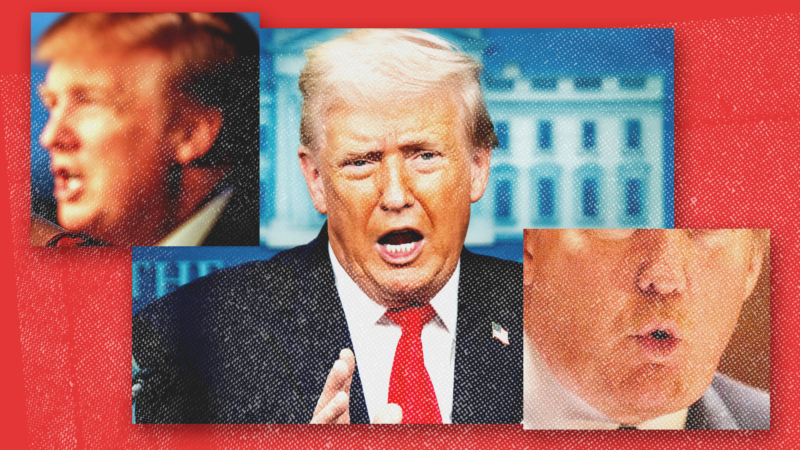
Three images of Trump layered across a red background | Allen Eyestone/Dan Herrick/Zuma Press/Michael Brochstein/Sipa USA/Newscom

If Iran’s leaders continue to resist U.S. demands, President Donald Trump warned on Sunday night, “they’re not going to have a country.” That remark was ominous in the context of a war that has included a huge military deployment, attacks on thousands of targets, threats to destroy civilian infrastructure, and the possibility of a ground invasion. But Trump frequently has deployed similar language much less credibly, warning Americans that they “won’t have a country anymore” if certain things are allowed to happen.

Much like his notion of what constitutes a “national emergency,” Trump’s perception of existential threats to the republic is highly idiosyncratic. It includes concerns, such as crime and terrorism, that are plausible but fall far short of threatening to destroy the country. It includes illegal immigration, which Trump has long portrayed as inherently dangerous, regardless of whether unauthorized residents are committing crimes or making an honest, peaceful living. It includes Democratic electoral victories. It even includes constitutionally protected criticism of Trump.

If we don’t “get tough and smart” on Islamic terrorism, Trump warned on Twitter in January 2016, “we won’t have a country anymore!”

The threat to national security includes “anyone who has entered the United States illegally, who is subject to deportation,” Trump emphasized at a rally in Phoenix that August. “That is what it means to have laws and to have a country. Otherwise we don’t have a country.”

Just as defeating Hillary Clinton in 2016 was essential to preserving the country, allowing Joe Biden to take office after he won the 2020 election would have cataclysmic consequences, Trump repeatedly warned. “We won’t have a country if it happens,” he told the crowd at the Ellipse during the “Save America” rally that preceded the Capitol riot on January 6, 2021. “We’re going to have somebody in there that should not be in there, and our country will be destroyed, and we’re not going to stand for that….If you don’t fight like hell, you’re not going to have a country anymore.”

Trump portrayed the stakes in similarly dramatic terms when he ran for president in 2024. “We won’t have a country anymore” unless I am elected, he declared at dozens of campaign rallies.

“The most important day in the history of our country is going to be November 5,” Trump said in March 2024, when he was still expecting a rematch with Biden. “Our country is going bad. And it’s going to be changed on November 5, and if it’s not changed we’re not going to have a country anymore.”

After Biden left the race, Trump made it clear that Kamala Harris would be similarly disastrous as president. “We’re not going to let this country be destroyed,” he said at a Las Vegas rally in September 2024. “We got to get this border fixed. We got people coming in that have never even dreamed about being in this country, and they’re coming in totally unchecked. Nobody has any idea where the hell they come from. Kamala would be the president of invasion.”

Harris “will surrender our country,” Trump warned. “She has already let in 21 million people. And if she gets four more years in America, our country will be obliterated. The 21 million people will be hundreds of millions of people who will come in from all over the world, which is where they’re coming from now. You’ll have 150 million more people. You won’t have a country anymore. You’re pretty close to not having one.”

Trump’s statistics may have been off a bit, since the estimated number of unauthorized U.S. residents, including people who entered the country prior to the Biden administration, was around 11 million at the time. And we never got a chance to see whether that population would grow by 1,300 percent under a Harris administration. But even after we dodged that bullet, the country still was not safe, according to Trump, who perceived another existential threat in a three-minute video that six Democratic members of Congress produced last November.

That video, which featured two senators and four representatives, reminded U.S. military personnel of their duty to “refuse illegal orders.” The Trump administration is “pitting our uniformed military and intelligence community professionals against American citizens,” the legislators said. “We know you are under enormous stress and pressure right now. Americans trust their military, but that trust is at risk.” Although “we know this is hard,” they added, “your vigilance is critical,” and “we have your back.”

Trump was irked by those words, which he said must be punished in the interest of national survival. “It’s called SEDITIOUS BEHAVIOR AT THE HIGHEST LEVEL,” he wrote on Truth Social. “Each one of these traitors to our Country should be ARRESTED AND PUT ON TRIAL. Their words cannot be allowed to stand—We won’t have a Country anymore!!! An example MUST BE SET.”

The Justice Department tried to deliver on Trump’s threat. But a federal grand jury rejected a proposed indictment—a striking rebuke, since grand jurors, who hear only the government’s side of a case, almost always approve charges recommended by federal prosecutors. Two days later, in a separate case involving the Defense Department’s attempt to punish Sen. Mark Kelly (D–Ariz.) for participating in the video, U.S. District Judge Richard Leon, a George W. Bush appointee, ruled that the retired naval officer’s criticism of Trump was “unquestionably protected” by the First Amendment.

The unifying theme in Trump’s warnings about the nation’s imminent demise is that America’s continued existence depends on supporting him: electing him, praising him, and backing his policies. Americans who oppose Trump therefore are betraying their country, which helps explain his habitual accusation that his critics are guilty of treason.

Both rhetorical tics reflect the narcissistic authoritarianism that underlies much of what Trump says and does, whether it is declaring nonexistent crises, waging war without congressional approval, summarily executing suspected cocaine smugglers, asserting unlimited tariff authority, attempting to rewrite statutes or the Constitution by presidential decree, demanding impeachment of judges who rule against him, using the criminal justice system to punish his foes, or threatening people who say things he does not like with deportation, regulatory penalties, grant revocations, or other unpleasant consequences. As Trump sees it, extreme measures are necessary when the fate of the nation is at stake, which it always seems to be.

The post Unless People Support Me, Trump Habitually Warns, 'We Won't Have a Country Anymore' appeared first on Reason.com.

from Latest – Reason.com https://ift.tt/lqZBahN
via IFTTT

Idaho Passes Strictest Law In The US For Transgenders Using Incorrect Bathrooms

Idaho Passes Strictest Law In The US For Transgenders Using Incorrect Bathrooms

The transgender movement is widely regarded as a political insurgency rather than a civil rights movement, and for good reason.  Leftist activists often declare themselves to be “trans” as a political statement, even when they don’t actually suffer from gender dysphoria, a rare mental illness that has little to do with gay rights or “social justice”. 

Children, by extension, are easily manipulated by such activists in the form of parents and teachers, and they tend to declare they are trans in order to please the brainwashing lunatics in their lives.  

The idea that gender is an amorphous condition separate from biological sex is pure theory based on little or no scientific data.  In a non-political and truly scientific environment gender identity claims are treated as ideological, not tangible.  In other words, trans is a trend, not an inherent sexual identity group that needs to be protected from discrimination.

The purpose of the transgender movement is to further deconstruct western society and inject concepts of relativity.  It is designed to make us question concrete reality and abandon objective logic in favor of a perception-based society, a moral desert. 

Thankfully, nearly half of the states in the US are rejecting this madness and passing laws to prevent it from taking hold yet again.  It took ten years, but the idea of catering to transgenders is in swift retreat. 

Much to the chagrin of Democrats, Idaho has recently passed one of the strictest transgender bathroom laws in the U.S.  House Bill 752 requires people to use bathrooms, locker rooms, or changing rooms matching their biological sex, but that’s not all.

The new law applies to both government buildings and private businesses with facilities of public accommodation.  This means any public bathroom, locker room, changing room etc. in any business is subject to the law.  This helps to eliminate the corporate activism loophole, which has in the past allowed male-to-female transgenders to enter women’s spaces, putting women and young girls at risk.  

“Knowingly and willfully” entering a facility designated for the opposite sex is a misdemeanor with a potential for 1 year in jail for a first offense.  Repeat offenses are a felony with suspects facing up to 5 years in jail. The bill passed the legislature in late March 2026 and awaits the governor’s signature (with a veto-proof majority).

At least 19 states, including Idaho, already have laws barring transgender people from using bathrooms and changing rooms that align with their gender in schools and other public places.  Three other states (Florida, Kansas and Utah) have made it a criminal offense in some circumstances to violate similar bathroom laws. 

But, none of the other state laws apply as broadly to private businesses as the Idaho bill. The legislation includes nine exceptions for situations like performing janitorial work, responding to emergencies, helping children or cases when someone has “dire need” of a restroom (this would require proof that no other options were available). 

It’s unfortunate that these laws need to be considered at all and there are going to be critics who will argue that these measures violent private property rights, but the past decade has taught the American public that if you give leftists an inch, they will take a mile.  There’s far more at stake than the question of who gets to use which bathroom; this issue is about the right of some groups to have secure separation from other groups.  It’s about the fundamentals of civilization. 

A zero tolerance policy for transgender intrusions into normal and separate biological facilities is the only way to ensure that there is no room for activists to take advantage.  

At bottom, being “transgender” is an act of political disruption, a form of protest that crosses the line of protected free speech into the realm of degenerate intrusion that has no place in bathrooms and locker rooms.  Every man certainly has a right to access a bathroom, but he doesn’t have a right to access women’s bathrooms.  A man has the right to pretend he’s a woman, he just doesn’t have the right to force everyone else to pretend he’s a woman.   

The trans laws being implemented across the US are a fail-safe to protect the rights of the majority so they’re not forced in the future to conform to the demands of a mentally ill minority.  Felony charges and the potential for jail time is the only threat that activists seem to understand.     

Tyler Durden
Tue, 03/31/2026 – 18:30

via ZeroHedge News https://ift.tt/45IORtG Tyler Durden

‘Something Dark Is Going On’: Nine Top-Level Scientists Die Or Go Missing In Past Year

‘Something Dark Is Going On’: Nine Top-Level Scientists Die Or Go Missing In Past Year

Authored by Debra Heine via American Greatness,

In the span of nine months, nine top-level scientists in the United States have died or vanished without a trace.

Seven of them were connected to the Air Force Research Laboratory (AFRL) or the institutions it directly funds.

AFRL develops and transitions the most sensitive aerospace technologies in the United States’ defense arsenal.

1) Monica Jacinto Reza vanished June 22, 2025 while hiking with friends in the Angeles National Forest in California.

She was last seen waving to a hiking companion approximately 30 feet behind the group. Despite an extensive search involving helicopters, drones, and canine units, only a beanie and lip balm were recovered, and her body was never found.

Reza, 60, was an aerospace engineer and Technical Fellow at Aerojet Rocketdyne who later moved to NASA’s Jet Propulsion Laboratory (JPL)and co-inventor of Mondaloy.

Mondaloy is a family of nickel-based superalloys developed by Aerojet Rocketdyne to withstand oxygen-rich environments and extreme heat in rocket engines. Its unique achievement is balancing high oxygen compatibility with structural strength, solving a critical challenge where traditional oxygen-resistant alloys were too weak for use in high-pressure components like preburners and turbine rotors.

She worked closely with Retired Major General William Neil McCasland, who commanded the AFRL from 2011 to 2013 and oversaw the government funding for her alloy program. McCasland disappeared in February.

Dallas Hardwick, Reza’s mentor and co-inventor of Mondaloy, died on January 5, 2014, apparently of natural causes.

2) Melissa Casias has been missing since June 26, 2025, in Taos County, New Mexico.

She was last seen walking alone on Highway 518 near Talpa around 2:15 p.m., wearing a light-colored shirt, jeans, and tennis shoes, with a backpack containing personal items.

Casias, 53, was an administrative assistant at the Los Alamos National Laboratory (LANL), a facility known for nuclear weapons research and national security science.

Her job at LANL links her to McCasland, who worked closely with LANL on national security projects at Kirtland Air Force Base, according to the Daily Mail. She vanished just four days after Reza mysteriously disappeared.

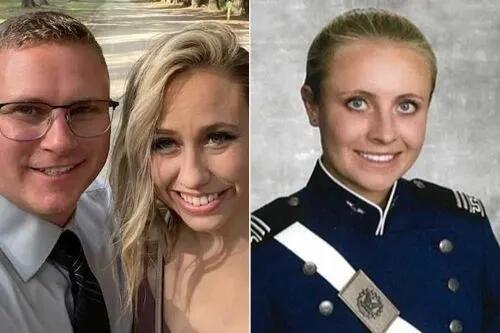
3, 4, 5) Jacob Prichard, Jaymee Prichard, and 1st Lt. Jaime Gustitus all died on October 25, 2025.

Jacob Prichard, 34, was the Acquisition Project Manager in the AFRL Sensors Directorate at Wright-Patterson Air Force Base in Dayton, Ohio, specializing in technologies for air and space reconnaissance and surveillance.

Jacob’s wife, Jaymee Prichard, 33, was a finance specialist at the Air Force Life Cycle Management Center at Wright-Patterson. The couple had three children.

Gustitus, 25, was a U.S. Air Force Operations Analysis Officer who worked in a top secret capacity at the 711th Human Performance Wing at Wright-Patterson.

Jacob allegedly killed his wife Jaymee and placed her body in the trunk of their car, then drove to Sugarcreek Township, broke into Gustitus’s apartment and fatally shot her around 2 a.m.

He then drove to the West Milton Municipal Building, opened the trunk for police to discover Jaymee’s body, and at around 4:23 a.m., committed suicide by gunshot in the parking lot. The act was reportedly captured on security cameras.

6) Carl Grillmair, astrophysicist and astronomer at the Caltech Infrared Processing and Analysis Center (IPAC), was shot dead on the front porch of his home in Llano, California on February 16, 2026.

Grillmair was celebrated for his groundbreaking research in astronomy, including the discovery of dozens of stellar streams (remnants of ancient galactic collisions) and the first detection of water signatures in the atmospheres of exoplanets. For over nearly 30 years at IPAC, he worked on numerous projects including the NEOWISE Science Data Center, where he validated data pipelines for detecting asteroids and comets that could impact Earth.

Grillmair’s role involved testing new instrumentation and ensuring the NEO Surveyor’s instruments performed to specification to identify dark, cold objects against the black of space.

7) William Neil McCasland, former AFRL Commander, former research commander at Kirtland Air Force Base in New Mexico, vanished from his home in Albuquerque, New Mexico, on February 27, 2026.  A “Silver Alert” was issued after the 68-year-old disappeared.

He reportedly left his phone and glasses but took his wallet, boots, and a .38 revolver, with the FBI now assisting in his search.

McCasland held some of the most sensitive positions in the U.S. military, including Director of Special Programs at the Office of the Under Secretary of Defense, giving him critical knowledge of the nation’s most classified programs.

He reportedly oversaw $4.4 billion in classified aerospace research and development, running the lab at Wright-Patterson and serving as the executive secretary of the Special Access Program Oversight Committee, the body with full purview of every SAP in the Department of Defense. His name appears in WikiLeaks emails coordinating a UAP disclosure meeting with the Clinton campaign and the head of Lockheed Martin’s Skunk Works, according to the Sentinel Network.

McCasland’s association with UFO research and brief professional association with Tom DeLonge and the To The Stars Academy have drawn significant public and media attention to the case.

According to The Sentinel, these mysterious deaths and disappearances do not amount to  “a loose collection of people who happened to work in defense.”

This is one documented system, traceable through patent filings, congressional testimony, DTIC records, and federal contract databases.

Reza vanished in LA County. Grillmair was killed in LA County. Both in the shadow of the JPL/Caltech corridor where America’s planetary defense infrastructure is built. McCasland vanished in Albuquerque, home of Kirtland AFB and Sandia National Labs. The Wright-Patterson deaths were in Dayton. These are not random locations. They are the three geographic nodes of American defense aerospace research. Southern California. New Mexico. Ohio. The triangle where AFRL lives.

And at every node, the same institutional silence. JPL said nothing about Reza. NASA said nothing. The AIAA said nothing. Caltech’s statement about Grillmair said he “passed away suddenly” without using the word “shot.” Wright-Patterson offered counseling services. In every case, the institution that lost someone chose the minimum possible disclosure. The silence is its own pattern inside the pattern.

8) Nuno F. Gomes Loureiro, a prominent Portuguese plasma physicist, was fatally shot at his home in Brookline, Massachusetts, on December 15, 2025 and died from his injuries the following day.

Authorities connected his murder to Cláudio Manuel Neves Valente, who had committed a shooting at Brown University two days prior; both men were classmates at the Instituto Superior Técnico in Portugal.

Loureiro, 47, held joint appointments as a professor in MIT’s Department of Nuclear Science and Engineering and Department of Physics and director of MIT’s Plasma Science and Fusion Center.

He joined MIT in 2016 and was known for his work on nonlinear plasma dynamics, including the development of the Viriato simulation code and his research on solar flares and fusion confinement.

9) Jason Thomas, a chemical biologist, was reported missing on December 13, 2025, after leaving his home on the night of December 12 without his phone, wallet, or identification. He was found dead in Lake Quannapowitt in Wakefield, Massachusetts, on March 17, 2026.

Thomas, 45, was the assistant director at Novartis Institutes for BioMedical Research with over 4,500 citations in chemical biology and chemoproteomics.  His work reportedly included active contracts with the Department of Defense.

Commenting on the string of deaths and disappearances, Rep. Tim Burchett (R-Tenn.) told podcaster Benny Johnson last week that “Something dark is going on.”

“I know these scientists and researchers. They have testified. We’ve got to get to the bottom of it,” he said.  “It’s just too much, too much is going on right now—and by the way, I’m not suicidal.”

*  *  * Thank you for your ongoing support

Tyler Durden
Tue, 03/31/2026 – 18:05

via ZeroHedge News https://ift.tt/LXsOmqQ Tyler Durden

RFK Jr. Says Hospitals Must Serve Healthier Food

RFK Jr. Says Hospitals Must Serve Healthier Food

Authored by Zachary Stieber via The Epoch Times (emphasis ours),

U.S. health officials on March 30 informed hospitals they must provide patients with more nutritious food.

The Centers for Medicare and Medicaid Services (CMS) stated in a memorandum to hospitals across the country that they must comply with certain conditions to receive federal funding, including making sure that menus and diets meet the nutritional needs of patients.

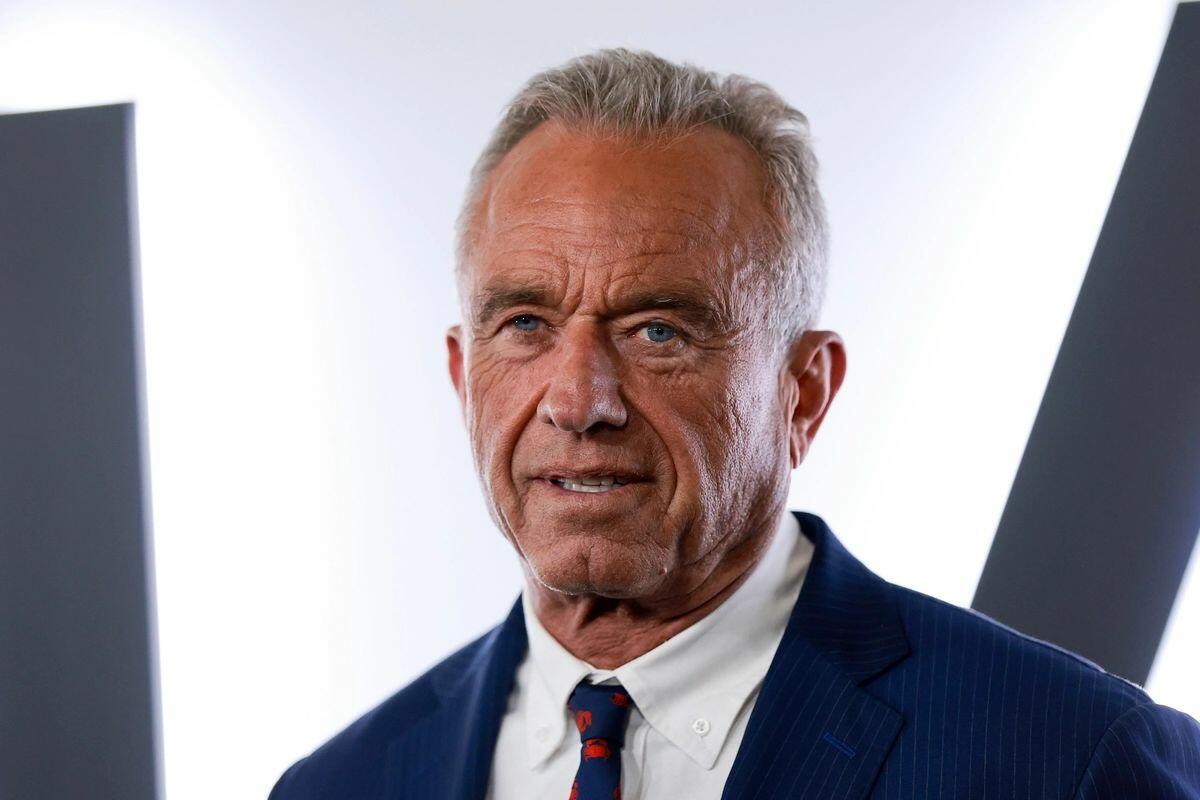
Health Secretary Robert F. Kennedy Jr. in Washington on Jan. 29, 2026. Dimitrios Kambouris/Getty Images

Officials noted the January release of new dietary guidelines, which emphasize limiting ultra-processed foods, refined carbohydrates, and sugar-laden products in favor of whole foods such as whole milk and meat.

Hospitals “should review and revise food and nutrition service policies, standard menus, therapeutic diet protocols, and food procurement practices to align with the [guidelines], which support contemporary evidence on diet quality and health outcomes,” the letter stated.

A good diet for a patient might feature steel-cut oats with berries and nuts for breakfast, grilled salmon with quinoa and roasted vegetables for lunch, and a lentil-based entree with a side salad later in the day, according to the document.

Health Secretary Robert F. Kennedy Jr., at an event in Florida that was held in part to coincide with the memo, said that it was “essentially a federal mandate” that would help incentivize hospitals to serve better food.

The food at hospitals is so uniformingly, appallingly bad that it is now a pejorative,” he said. “If you tell somebody that this tastes like hospital food, it’s not a compliment.”

CMS is a division of Kennedy’s Department of Health and Human Services.

Dr. Mehmet Oz, the administrator of CMS, said in a statement that “hospitals are meant to heal—but too often, the food they serve holds patients back.”

“It’s time for hospitals to prioritize real, nutrient-dense food, cut ultra-processed options, and align meals with evidence-based medical needs.”

Oz and Kennedy said that revamping menus would lead to faster recovery and lower readmission rates for patients.

The event also included the announcement that Nicklaus Children’s Hospital had committed to sourcing 5 percent of its food from local farmers in Florida.

The hospital will look to add 1 percent to that percentage each year moving forward.

“This means that kids getting cancer treatment will eat real protein, from the producers here in Florida,” said Hannah Anderson, director of the Healthy America campaign from the America First Policy Institute, which hosted the event.

“This means that kids getting treatment for debilitating diseases will get whole milk. And this means that the kids who are fighting infection are getting the vitamin C and vitamin A from food that’s grown right here in Florida.”

Tyler Durden
Tue, 03/31/2026 – 17:15

via ZeroHedge News https://ift.tt/srfbeR1 Tyler Durden

Unless People Support Me, Trump Habitually Warns, ‘We Won’t Have a Country Anymore’


Three images of Trump layered across a red background | Allen Eyestone/Dan Herrick/Zuma Press/Michael Brochstein/Sipa USA/Newscom

If Iran’s leaders continue to resist U.S. demands, President Donald Trump warned on Sunday night, “they’re not going to have a country.” That remark was ominous in the context of a war that has included a huge military deployment, attacks on thousands of targets, threats to destroy civilian infrastructure, and the possibility of a ground invasion. But Trump frequently has deployed similar language much less credibly, warning Americans that they “won’t have a country anymore” if certain things are allowed to happen.

Much like his notion of what constitutes a “national emergency,” Trump’s perception of existential threats to the republic is highly idiosyncratic. It includes concerns, such as crime and terrorism, that are plausible but fall far short of threatening to destroy the country. It includes illegal immigration, which Trump has long portrayed as inherently dangerous, regardless of whether unauthorized residents are committing crimes or making an honest, peaceful living. It includes Democratic electoral victories. It even includes constitutionally protected criticism of Trump.

If we don’t “get tough and smart” on Islamic terrorism, Trump warned on Twitter in January 2016, “we won’t have a country anymore!”

The threat to national security includes “anyone who has entered the United States illegally, who is subject to deportation,” Trump emphasized at a rally in Phoenix that August. “That is what it means to have laws and to have a country. Otherwise we don’t have a country.”

Just as defeating Hillary Clinton in 2016 was essential to preserving the country, allowing Joe Biden to take office after he won the 2020 election would have cataclysmic consequences, Trump repeatedly warned. “We won’t have a country if it happens,” he told the crowd at the Ellipse during the “Save America” rally that preceded the Capitol riot on January 6, 2021. “We’re going to have somebody in there that should not be in there, and our country will be destroyed, and we’re not going to stand for that….If you don’t fight like hell, you’re not going to have a country anymore.”

Trump portrayed the stakes in similarly dramatic terms when he ran for president in 2024. “We won’t have a country anymore” unless I am elected, he declared at dozens of campaign rallies.

“The most important day in the history of our country is going to be November 5,” Trump said in March 2024, when he was still expecting a rematch with Biden. “Our country is going bad. And it’s going to be changed on November 5, and if it’s not changed we’re not going to have a country anymore.”

After Biden left the race, Trump made it clear that Kamala Harris would be similarly disastrous as president. “We’re not going to let this country be destroyed,” he said at a Las Vegas rally in September 2024. “We got to get this border fixed. We got people coming in that have never even dreamed about being in this country, and they’re coming in totally unchecked. Nobody has any idea where the hell they come from. Kamala would be the president of invasion.”

Harris “will surrender our country,” Trump warned. “She has already let in 21 million people. And if she gets four more years in America, our country will be obliterated. The 21 million people will be hundreds of millions of people who will come in from all over the world, which is where they’re coming from now. You’ll have 150 million more people. You won’t have a country anymore. You’re pretty close to not having one.”

Trump’s statistics may have been off a bit, since the estimated number of unauthorized U.S. residents, including people who entered the country prior to the Biden administration, was around 11 million at the time. And we never got a chance to see whether that population would grow by 1,300 percent under a Harris administration. But even after we dodged that bullet, the country still was not safe, according to Trump, who perceived another existential threat in a three-minute video that six Democratic members of Congress produced last November.

That video, which featured two senators and four representatives, reminded U.S. military personnel of their duty to “refuse illegal orders.” The Trump administration is “pitting our uniformed military and intelligence community professionals against American citizens,” the legislators said. “We know you are under enormous stress and pressure right now. Americans trust their military, but that trust is at risk.” Although “we know this is hard,” they added, “your vigilance is critical,” and “we have your back.”

Trump was irked by those words, which he said must be punished in the interest of national survival. “It’s called SEDITIOUS BEHAVIOR AT THE HIGHEST LEVEL,” he wrote on Truth Social. “Each one of these traitors to our Country should be ARRESTED AND PUT ON TRIAL. Their words cannot be allowed to stand—We won’t have a Country anymore!!! An example MUST BE SET.”

The Justice Department tried to deliver on Trump’s threat. But a federal grand jury rejected a proposed indictment—a striking rebuke, since grand jurors, who hear only the government’s side of a case, almost always approve charges recommended by federal prosecutors. Two days later, in a separate case involving the Defense Department’s attempt to punish Sen. Mark Kelly (D–Ariz.) for participating in the video, U.S. District Judge Richard Leon, a George W. Bush appointee, ruled that the retired naval officer’s criticism of Trump was “unquestionably protected” by the First Amendment.

The unifying theme in Trump’s warnings about the nation’s imminent demise is that America’s continued existence depends on supporting him: electing him, praising him, and backing his policies. Americans who oppose Trump therefore are betraying their country, which helps explain his habitual accusation that his critics are guilty of treason.

Both rhetorical tics reflect the narcissistic authoritarianism that underlies much of what Trump says and does, whether it is declaring nonexistent crises, waging war without congressional approval, summarily executing suspected cocaine smugglers, asserting unlimited tariff authority, attempting to rewrite statutes or the Constitution by presidential decree, demanding impeachment of judges who rule against him, using the criminal justice system to punish his foes, or threatening people who say things he does not like with deportation, regulatory penalties, grant revocations, or other unpleasant consequences. As Trump sees it, extreme measures are necessary when the fate of the nation is at stake, which it always seems to be.

The post Unless People Support Me, Trump Habitually Warns, 'We Won't Have a Country Anymore' appeared first on Reason.com.

from Latest – Reason.com https://ift.tt/lqZBahN
via IFTTT

“There Is Evidence That This Particular Proceeding Before the Beijing Court Was Dominated by the” Chinese Communist Party,

A short excerpt from from today’s long opinion by Judge John Tigar (N.D. Cal.) in Stanford Univ. v. Yuzhen; I am an employee of Hoover and Stanford, but I haven’t been involved in the lawsuit, and wasn’t prompted by anyone to write bout it:

Plaintiff Board of Trustees of Leland Stanford Junior University seeks to quiet title in certain materials denominated the Li Materials, which consist of original materials written by Chinese political figure Li Rui [and by people connected to him] …. Stanford and Li’s daughter, Li Nanyang, contend that: (1) during his lifetime, Li Rui gave the Li Materials to Li Nanyang and instructed her to make a permanent gift of the Li Materials to Stanford, to be preserved by and made freely available for scholarly research and public review at the Hoover Institution Library & Archives at Stanford University (“Hoover”); and (2) in accordance with Li Rui’s instructions, the original Li Materials were donated to and delivered to Hoover by Li Nanyang prior to Li Rui’s death.

Defendant and Counterclaimant Zhang Yuzhen, who was Li Rui’s second wife, contends that Li Rui did not transfer ownership of his original manuscripts to Li Nanyang, and that Li Nanyang did not have the legal right to donate any of Li Rui’s original materials to Hoover prior to Li Rui’s death. Zhang Yuzhen further contends that pursuant to the Chinese court’s judgment in a proceeding called the Zhang Action, she is the sole owner of the original manuscripts contained in the Li Materials, and that this Court should recognize and enforce the Chinese judgment and order Stanford to return to Zhang Yuzhen the original manuscripts that were improperly transferred to Stanford by Li Nanyang….

Li Rui held various government positions in the People’s Republic of China during the 1950s. He became Chairman Mao’s personal secretary in 1958, placing him at the center of political activity in China.

Li Rui was a person of strong opinions who spoke out against the CCP during his lifetime and who “ha[d] a lot of guts.” In 1959, Li Rui attended a leadership meeting of the CCP called the Lushan Conference. At the conference, Li made comments critical of Mao Zedong and the CCP. Because of these criticisms, Li Rui was exiled and transferred between jail and work camps for approximately 20 years….

In 1979, two-and-a-half years after Chairman Mao’s death, Li was released from prison, his membership in the Communist Party was restored, and he was reinstated to his prior position as Deputy Minister of the Electric Power Ministry. Also in 1979, Li Rui married Zhang Yuzhen, and they remained married until Li Rui’s death on February 16, 2019.

In 1982, Li became the Deputy Director of the Organization Department of the CCP. During this time, Li also became a member of the Central Committee of the CCP, and then the Advisory Committee.

In February 1989, Li Rui visited the Hoover Institution at Stanford University. He was “amazed” by the collection at Hoover because it contained writings about historical events that were not available in China, including extensive materials about the Cultural Revolution.

Li Rui witnessed the events in Tiananmen Square in June 1989 from the balcony of his apartment. He wrote an open letter critical of the CCP’s decision to send in soldiers to crack down on the protesting students. He also took notes of the event in his diary.

On August 28, 1999, Li Rui executed a “Testament” noting how fortunate he was to marry Zhang Yuzhen and giving the following “instruction” to his children:

  1. The copyrights to all my written works (including those already published and those not yet published) shall all belong to Yuzhen after my demise.
  2. All my deposits and household items shall belong to Yuzhen after my demise.
  3. My collection of calligraphy and painting works shall all be managed and handled by Yuzhen after my demise.
  4. All books shall be donated to Pingjiang Library on my behalf by Yuzhen after my demise.

The testament did not address the disposition of the Li Materials….

There are a lot of further factual findings and legal conclusions in the opinion, but here’s an interesting passage on the non-enforceability of a Chinese court judgment:

“There is currently no federal statute governing recognition of foreign judgments in the federal courts.” “Generally, the recognition of foreign judgments is an issue of state law.” “In matters not involving money judgments, California courts “look to general principles of comity followed by the California courts[.]”

“Comity is ‘the recognition which one nation allows within its territory to the legislative, executive or judicial acts of another nation.'” “Extension of comity to a foreign judgment is neither a matter of absolute obligation, on the one hand, nor of mere courtesy and good will, upon the other.” A federal court should generally give preclusive effect to a foreign court’s finding as a matter of comity.” However, “[c]omity is not an inexorable command, and a request for recognition of a foreign judgment may be rebuffed on any number of grounds.” …

Applying [generally recognized comity] principles, the Court concludes that the Zhang Judgment is not enforceable, for the following reasons.

First, the Beijing Court lacked jurisdiction over Stanford because it was not originally named as a party in Zhang Yuzhen’s civil complaint. [Details omitted. -EV] …

Second, even if the Beijing Court had personal jurisdiction over Stanford, Stanford was denied an opportunity to appear and defend itself in the Zhang Action because the Beijing Court would not allow Stanford’s lawyers to appear, despite their substantial efforts to do so. A well-established principle of comity is that “it would be unjust to [a sovereign’s] own citizens to give effect to the judgments of a foreign tribunal against them when they had no opportunity of being heard.” Such was the case here.

DeJoria v. Maghreb Petroleum (W.D. Tex. 2018) is instructive. In that case, Plaintiff DeJoria sought a declaration that a judgment of the court in Morocco was invalid because, among other reasons, DeJoria had not been able to participate in the litigation leading to the judgment. The Court found that DeJoria had a legitimate fear of traveling to Morocco based on threats made against him by persons connected with his litigation opponents, who were also members of the royal family. He also was not able to retain counsel, “due to the fact that he was a defendant in a case that was of great political interest to the King of Morocco, and his interests were adverse to the King’s.” These facts and others compelled the DeJoria court to find that “the specific proceeding in the foreign court leading to the judgment was not compatible with the requirements of due process of law.”

Here, although Stanford was able to retain counsel, that counsel was not able to participate in the litigation and its views were not considered by the court. This meant that Stanford did not receive due process.

Third, the Beijing Court failed to keep the “clear and formal record” of the proceedings that would allow this Court to find that the proceedings were fair…. [And i]n at least one respect, the judgment is at odds with the facts, stating that Hoover, Stanford, and Li Nanyang were “summoned by the court and did not appear, with no justified reason” and “did not present any statements, either.” In actual fact, however, Hoover had attempted to appear through Stanford’s counsel and to present evidence and argument and Li Nanyang had presented jurisdictional objections. Because there is no “clear and formal record,” the Court cannot determine whether the proceedings afforded Stanford the due process to which it was entitled, or satisfied the other Hilton factors.

Fourth, there is evidence that this particular proceeding before the Beijing Court was dominated by the CCP, as summarized by Professor Kellogg. [American law] permit[s] denial of enforcement of a foreign judgment when the foreign judicial system from which the judgment originated did not provide an impartial tribunal or due process of law in a particular case. Evidence “that the judiciary was dominated by the political branches of government or by an opposing litigant, or that a party was unable to obtain counsel, to secure documents or attendance of witnesses, or to have access to appeal or review, would support a conclusion that the legal system was one whose judgments are not entitled to recognition.”

The State Department Country Reports on Human Rights Practices “ha[ve] been described as the most appropriate and perhaps the best resource for information on political situations in foreign nations.” The U.S. State Department Country Report on Human Rights Practices in China for 2019 states:

Although the law states the courts shall exercise judicial power independently, without interference from administrative organs, social organizations, and individuals, the judiciary did not exercise judicial power independently. Judges regularly received political guidance on pending cases, including instructions on how to rule, from both the government and the CCP, particularly in politically sensitive cases.

Professor Kellogg’s expert report notes that “[p]arty control over the judiciary is well-documented …. The State Department’s findings on judicial independence remain unchanged: its reports on China have continued to note the judiciary’s lack of judicial independence on an annual basis each year, including 2023, the most recent report currently available.”

And the court finds that Li Rui gave the Li Rui materials to Li Nanyang for the purpose of removing them from China and donating them to the Hoover Center at Stanford”:

Thus, when Li Nanyang donated the materials to the Hoover Institute, she was acting in accordance with and pursuant to Li Rui’s expressed wishes. Accordingly, Stanford now holds good title to the Li Rui Materials.

Li Rui knew that Stanford would preserve the Li Materials and make them available to the public. He also believed that the CCP was likely to secrete, censor, redact, or destroy the Li Materials. His desire that his writings be made available to the public in perpetuity and not be censored in any way was the primary motivation for giving the materials to Li Nanyang so she could deposit them at Stanford/Hoover. Li Rui’s fears that his writings would be banned, burned, or otherwise made unavailable were reasonable and consistent with other evidence received in the case as set forth above.

Because Li Rui gave the materials to Li Nanyang for this purpose prior to his death, the materials were not part of his estate at the time of his death and therefore were not subject to the law of inheritance….

Jeffrey David Wexler, Mark Davis Litvack, and Ryan Adelsperger (Pillsbury Winthrop Shaw Pittman LLP) represent Stanford.

The post "There Is Evidence That This Particular Proceeding Before the Beijing Court Was Dominated by the" Chinese Communist Party, appeared first on Reason.com.

from Latest – Reason.com https://ift.tt/U6b4nMO
via IFTTT

“Rising Wave of Antisemitism” Doesn’t Justify Letting Jewish Plaintiff Sue Pseudonymolusly

From Doe v. Life Time, Inc., decided today (correctly, I think) by Judge Dora Irizarry (E.D.N.Y.):

The Complaint alleges that Plaintiff attended Life Time Fitness from 2018 to 2024, and in 2023 his local gym hired Defendant Ahmed to “man the front desk in the evenings.” Ahmed is alleged to be a member of the Muslim faith who “flaunts his religion” The Complaint alleges that, as an employee, Ahmed discriminated against Jewish members, such as Plaintiff [in violation of federal and state antidiscrimination law], by prohibiting Plaintiff from entering the gym after 8:00 PM on weekends, while allowing members of the Muslim faith to enter.

Plaintiff recounts a specific encounter on October 26, 2024, in which Plaintiff arrived with a guest wearing a yarmulke (a small round head covering worn by male practitioners of the Orthodox Jewish faith) and requested late entry. Ahmed is alleged to have denied entry and then admitted to selectively enforcing policies when pressed by Plaintiff. The situation escalated and Plaintiff’s membership to the gym was suspended. Plaintiff alleges that his membership was reinstated the next day; however, on December 14, 2024, three Life Time employees, including Ahmed, assaulted him in the gym locker room.

Plaintiff attests that he raised Ahmed’s discriminatory actions to his gym’s general manager, but nothing was ever done. After lodging a number of complaints, Plaintiff alleges that the general manager banned him from the gym. Plaintiff further alleges he never was given a reason from Life Time as to why he was banned….

Fed. R. Civ. P. 10(a) provides that the “title of [a] complaint must name all the parties.” This requirement serves “the vital purpose of facilitating public scrutiny of judicial proceedings and … cannot be set aside lightly.” … The [Second C]ircuit has cautioned that there are “a limited number of exceptions” to the general rule, which includes the privacy of minors… [Plaintiff] does not fall into one of the previously recognized exceptions and the public’s interest in the litigation is furthered by identification because the public has a presumptive “right to know who is using their courts.” …

[C]ourts [should] consider whether disclosure of a plaintiff’s identity would subject them, or non-parties, to possible harm. Speculative or “generalized harm” is not sufficient to establish a likelihood of harm following identification. Here, Plaintiff argues that he is in “real danger” of physical harm and that the harm is not speculative because he previously was assaulted by Ahmed and that the rising wave of antisemitism across the nation subjects him to harm upon being identified as a member of the Jewish faith.

Plaintiff’s argument is unavailing because his basis for “likely” harm is entirely speculative. Whether Plaintiff was assaulted by Ahmed at the gym in the past does not establish that it will occur again, especially considering that Plaintiff was banned from returning to the gym. Notably, the Complaint is devoid of allegations suggesting that he will be unduly targeted at large because of his Jewish Faith.

[Courts should also consider] whether “the litigation involves matters that are highly sensitive and of a personal nature.” Courts have found birth control, abortion, homosexuality, welfare rights of illegitimate children, abandoned families, and sexual assault and harassment to be highly sensitive matters. While conceding that his “status as a Jewish individual is not inherently sensitive information,” nonetheless, Plaintiff contends that this action involves highly sensitive matters because of the social stigma attendant to his private Jewish beliefs. Plaintiff relies on the Fifth Circuit’s opinion in Doe v. Stegall (5th Cir. 1981), which involved religious freedom pursuant to the First Amendment.

However, Stegall is distinguishable from the instant action for three reasons: (1) Stegall involved children; (2) Stegall was brought against the county government; and (3) the plaintiffs in Stegall had evidence indicating a likelihood of “extensive harassment” from the county community. Plaintiff’s reliance on the rise of antisemitism here amounts to nothing more than speculation. Significantly, he does not distinguish the unique characteristics of his case that mandate departure from the preference for public disclosure as in the litany of other religion-based cases on this issue. Therefore, factor one also weighs against Plaintiff….

For a somewhat different approach to such cases (though the facts there are somewhat different as well), see Pseudonymity Allowed (for Now) in Lawsuit Against Palestinian Student Groups.

The post "Rising Wave of Antisemitism" Doesn't Justify Letting Jewish Plaintiff Sue Pseudonymolusly appeared first on Reason.com.

from Latest – Reason.com https://ift.tt/r9axy4v
via IFTTT

The Bullet Used in Charlie Kirk Murder Doesn’t Match The Alleged Weapon

The Bullet Used in Charlie Kirk Murder Doesn’t Match The Alleged Weapon

There’s a new wrinkle in the case against Tyler Robinson, the 22-year-old charged with assassinating conservative activist Charlie Kirk. Defense attorneys revealed last week that federal ballistic analysis cannot link the bullet that killed Kirk to the rifle prosecutors say Robinson used.

Robinson faces charges of aggravated murder, along with multiple felony counts, for the September 10, 2025, killing of Kirk at Utah Valley University in Orem, Utah. Prosecutors are seeking the death penalty. The case seemed, from the outside, fairly straightforward: Robinson reportedly confessed to his father, who told a youth pastor with ties to the U.S. Marshals Service, and Robinson himself surrendered to the Washington County Sheriff’s Office the following night. 

Prosecutors say DNA consistent with Robinson’s was recovered from the trigger, the fired cartridge casing, and two unfired cartridges on the rifle found near the scene.

However, in a motion filed Friday, Robinson’s attorneys disclosed that they had received an ATF summary report with an unexpected finding. “Regarding the firearm evidence, the defense has been provided with an ATF summary report which indicates that the ATF was unable to identify the bullet recovered at autopsy to the rifle allegedly tied to Mr. Robinson,” the motion reads. The defense added, “Although the State has not indicated an intent to produce this report at the preliminary hearing, the defense may very well decide to offer the testimony of the ATF firearm analyst as exculpatory evidence.”

Authorities recovered an old German bolt-action Mauser Model 98 .30-06 caliber rifle used in both World Wars from a forested area near the shooting site. The FBI is conducting additional ballistic tests, but the results are still pending. Until they arrive, the defense is sitting on an ATF report that they believe actively undermines the state’s physical evidence narrative.

Here’s, by the way, what a .30-06 does:

DNA questions are also piling up alongside the ballistic ones. Defense attorneys point out that forensic reports show multiple people’s DNA on some items, which they argue demands more sophisticated analysis than a standard single-contributor examination. 

As these cases indicate, determining the number of contributors to a DNA mixture, and determining whether the FBI and the ATF reliably applied validated and correct scientific procedures … is a complicated process which requires the assistance of various types of experts, including forensic biologists, geneticists, system engineers, and statisticians, all of whom must review and evaluate” several categories.

The defense has received roughly 20,000 files – 61,500 pages, 31 hours of audio, and more than 700 hours of video spread across 5,000-plus clips. Defense attorneys say it will take at least 60 days to make a first pass through the material, and are now asking the court to push the May 18 preliminary hearing back by at least six months.

The preliminary hearing itself is not a trial. It’s the moment prosecutors must demonstrate sufficient cause to proceed. That makes the ATF report strategically critical right now. If the defense can successfully use it to cast doubt on the state’s physical evidence package at this early stage, the downstream implications for a capital case are significant.

However, it’s debatable how crucial it really is. Prosecutors still have DNA evidence, an alleged text message in which Robinson reportedly told his romantic partner he targeted Kirk because he “had enough of his hatred,” and witness testimony from Robinson’s parents and roommate. The confession to his father remains a cornerstone of the state’s case.

The defense is also pushing for a televised trial, insisting that having the court proceedings “as public as possible helps to quell and contradict the tide of misinformation,” and will limit conspiracy theories.

Tyler Durden
Tue, 03/31/2026 – 16:50

via ZeroHedge News https://ift.tt/iWsAy6q Tyler Durden