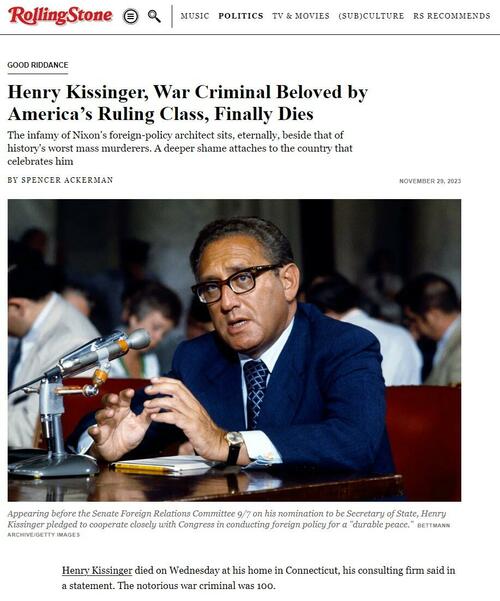
The statesman passed away at the age of 100 at his Connecticut home, according to a statement from his consulting firm, which did not give a cause of death..
Kissinger was the only person ever to be White House national security adviser and secretary of state at the same time, exercising a control over U.S. foreign policy that has rarely been equaled by anyone who was not president.
He notably helped create the “post-World War II world order,” leading the United States through significant foreign policy challenges, according to Kissinger’s website.
Mr. Kissinger, who met with Chinese Communist Party (CCP) leader Xi Jinping during a surprise visit to Beijing on July 20, is revered in China for having engineered the opening of relations between the CCP and Washington under President Nixon during the Cold War in the early 1970s.
However, he was not universally acclaimed…
…with two of the most vociferous critics, Christopher Hitchens and William Shawcross, also branding Dr. Kissinger a war criminal.
Journalist Seymour M. Hersh, in “The Price of Power,” said Dr. Kissinger and Nixon were basically two of a kind:
They “remained blind to the human costs of their actions. The dead and maimed in Vietnam and Cambodia – as in Chile, Bangladesh, Biafra and the Middle East – seemed not to count as the President and his national security adviser battled the Soviet Union, their misconceptions, their political enemies, and each other.”
At the very least, those who did not admire Dr. Kissinger felt that his focus on Cold War realities and his willingness to use force – openly or covertly – to advance U.S. objectives blinded him to humanitarian and human rights considerations.
Laud him or loathe him, we do note that in the last few months of life, he dropped some uncomfortable truths for today’s politicians…
Henry Kissinger: “It was a grave mistake to let in so many people of totally different culture and religion and concepts” pic.twitter.com/CulDSiQDxq
WaPo reports that in his comprehensive biography of Dr. Kissinger, journalist Walter Isaacson came to the conclusion that he “had an instinctive feel for power and for creating a new global balance that could help America cope with its withdrawal syndrome after Vietnam. But it was not matched by a similar feel for the strength to be derived from the openness of America’s democratic system or for the moral values that are the true source of its global influence.”
Isaacson, who had full access to Dr. Kissinger and many of his friends, described him as “brilliant, conspiratorial, furtive, sensitive to linkages and nuances, prone to rivalries and power struggles, charming yet at times deceitful.”
Preliminary estimates suggested that Iraq’s Eridu oil field holds between 7-10 billion barrels of reserves.
Senior Russian oil industry sources spoken to exclusively by OilPrice.com last week said the true figure may well be 50 percent more than the higher figure of that band. In either event, the Eridu field – part of Iraq’s Block 10 exploration and development region – is the biggest oil find in Iraq in the last 20 years, and Russia wants to control all of it, alongside its chief geopolitical ally, China.
This is in line with Moscow and Beijing’s objective of keeping the West out of energy deals in Iraq to keep Baghdad closer to the new Iran-Saudi axis and to “end [the] Western hegemony in the Middle East [that] will become the decisive chapter in the West’s final demise,” as exclusively related to OilPrice.com. The approval last week by Iraq’s Oil Ministry for Inpex – the major oil company of key U.S. ally Japan – to sell its 40 percent stake in the Block 10 region that contains the huge Eridu discovery leaves the way clear for Lukoil to take total control of the entire oil-rich area.
Lukoil had held a 60 percent stake in the entirety of Block 10, with the remainder held by the Japanese firm. However, from March it has been looking for ways to push Inpex out of the Block, and with it the last remnants of Western influence in the area. March saw Iraq’s state-owned Dhi Qar Oil Company (DQOC) formally approve the development of Block 10’s reserves, including for the whole Eridu field. Block 10 lies in the southeast of Iraq, approximately 120 km west of the key oil export route from Basra, and just south of the huge oil fields in and around Nassirya. The contract for Block 10 awarded to Lukoil and Inpex back in 2012 in Iraq’s fourth licensing round gives a relatively high remuneration per barrel rate of US$5.99, although at that point the vast Eridu field had not been discovered. In 2021, after some preliminary testing, Iraq’s Oil Ministry said it expected peak production of at minimum 250,000 barrels per day (bpd) from Eridu by, at that point, 2027. The senior Russian oil industry sources exclusively spoken to by OilPrice.com last week, believe peak production could run at least 100,000 bpd higher than the previous figure, contingent on whether the new reserves estimates are correct, although given delays in development since 2021, the date at which that will be achieved is now toward the end of 2029.
Back in 2021 – at least before the U.S. formally withdrew from Iraq by ending its ‘combat mission’ there at the end of December – it was clear that Washington knew what Russia and China were up to long term in the country, and how the U.S. was being manipulated by Iraq. In a moment of insight, the then-U.S. Deputy Assistant Secretary of Defense, Dana Stroul, said:
“It’s […] clear that certain countries and partners would want to hedge and test what more they might be able to get from the United States by testing the waters of deeper co-operation with the Chinese or the Russians, particularly in the security and military space.”
This view could equally have been aimed, not just at Iraq, but also at most other countries in the Middle East at that time – most notably Saudi Arabia, and the UAE. That said, this profound insight had no effect on Washington at that point, and posed no impediment at all to either Russia or China’s continued drive to entirely push the U.S. out of the Middle East, as analysed in depth in in my new book on the new global oil market order.
For Iraq, the endgame has been apparent from Russia’s effective takeover of the oil and gas industry of the country’s troublesome semi-autonomous region of Kurdistan in the north. This occurred in the chaos that followed the brutal put-down of the region after 93 percent of its inhabitants voted for full independence from Iraq in September 2017. Russian control over Iraqi Kurdistan was secured via the state’s corporate proxy, Rosneft, through three means, as also analysed in full in my new book. Subsequent to this, Russia has manipulated the region into such a toxic standoff with the central Iraq government in Baghdad that the final stage of the plan to effectively incorporate the Iraqi Kurdistan region into the rest of Iraq, is now proceeding at full throttle. Given this, Russia and China are now moving to secure their dominance over the rest of Iraq, with the removal of Inpex from the vast Eridu field being only the latest example of their broader strategy at work.
Multiple field exploration and development deals, plus countless lower-profile ‘contract-only’ agreements, with Russian and Chinese firms allow the two countries plenty of scope to leverage these out into a harder geopolitical presence across the country, including into the very fabric of its key infrastructure. At a recent Iraq Cabinet meeting, it was agreed that the country should now give its full support to rolling out all aspects of the wide-ranging ‘Iraq-China Framework Agreement’ signed in December 2021, but agreed in principle more than a year before that. This agreement is very similar in scope and scale to the all-encompassing ‘Iran-China 25-Year Comprehensive Cooperation Agreement’, as first revealed anywhere in the world in my 3 September 2019 article on the subject and fully examined in my new book.
A key part of both deals is that China has first refusal on all oil, gas, and petrochemicals projects that come up in Iraq for the duration of the deal, and that it is given at least a 30 percent discount on all oil, gas, and petrochemicals it buys. Another key part of the Iraq-China Framework Agreement is that Beijing is allowed to build factories across the country, with a corollary build-out of supportive infrastructure. This includes – importantly for its ‘Belt and Road Initiative’ – railway links, all overseen by its own management staff from Chinese companies on the ground in Iraq. The railway infrastructure in Iraq will be completed out after the network in Iran has been finished, and this began in earnest in late 2020 with the contract to electrify the main 900-kilometre railway connecting Tehran to the north-eastern city of Mashhad. As an adjunct to this, plans were put in place to establish a Tehran-Qom-Isfahan high-speed train line and to extend this upgraded network up to the north-west through Tabriz. Tabriz – home to several key sites relating to oil, gas, and petrochemicals, and the starting point for the Tabriz-Ankara gas pipeline – is to be a pivot point of the 2,300-kilometre New Silk Road that links Urumqi (the capital of China’s western Xinjiang Province) to Tehran, and will connect Kazakhstan, Kyrgyzstan, Uzbekistan and Turkmenistan along the way, before it then runs into Europe, via Turkey.
These plans, in turn, link into corollary plans by Russia and China to turn the entire southeast region of Iraq – that culminates with the major oil export hub of Basra – into a region criss-crossed by Russian- and Chinese-controlled oil and gas fields and transportation hubs, as also analysed in full in my new book. One such cornerstone deal was Baghdad’s approval of nearly IQD1 trillion (US$700 million) for infrastructure projects in the city of Al-Zubair just to the south of Basra. The city’s Governor at the time the deal was struck, Abbas Al-Saadi, said China’s heavy involvement in the projects was part of the broad-based ‘oil-for-reconstruction and investment’ agreement – part of the general ‘oil-for-projects’ idea signed by Baghdad and Beijing in September 2019.
The Al-Zubair announcement came shortly after the awarding by Baghdad of another major contract to another Chinese company to build a civilian airport to replace the military base in the capital of the southern oil rich Dhi Qar governorate. The Dhi Qar region includes two of Iraq’s potentially biggest oil fields – Gharraf and Nassiriya – and China has said it intends to complete the airport by 2024. This region is also to the immediate north of the huge Eridu oil field and to the northwest of Basra. The airport project will include the construction of multiple cargo buildings and roads linking the airport to the city’s town centre and separately to other key oil areas in southern Iraq. This, in turn, followed yet another deal that will involve Chinese companies building out Al-Sadr City, located near Baghdad, at a cost of between US$7-8 billion, also within the framework of the 2019 ‘oil-for-reconstruction and investment’ agreement.
“Mr. President, Tap The Brakes”: 3,900 Auto Dealers Warn EV Demand Crumbling
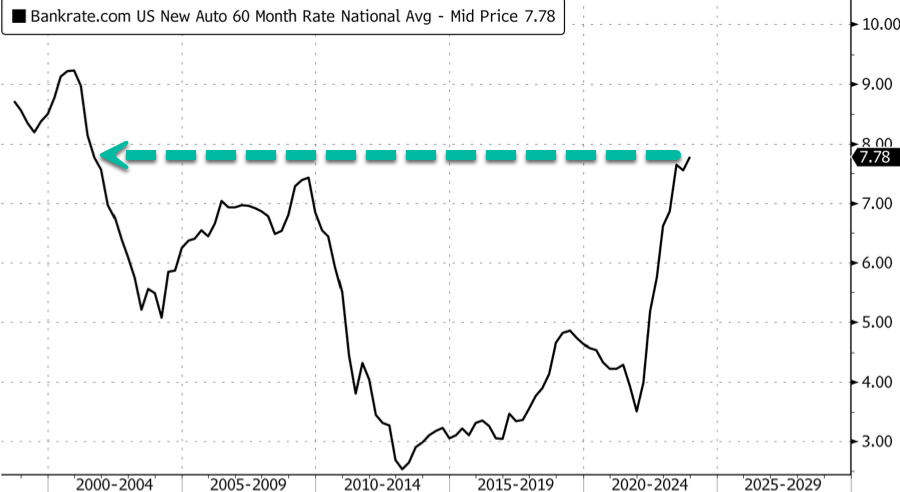
Data from Bankrate indicates that interest rates for new auto loans with a 60-month term have reached their highest point since the Dot Com bust era. Additionally, the soaring prices of new electric vehicles pose a significant affordability challenge for the average working-class American. Beyond affordability issues, consumer interest in EVs is also waning. This sentiment is echoed by 3,900 auto dealers who have written to President Biden, urging his administration to reconsider the pace of EV mandates, citing a severe decline in demand for these vehicles.
“Currently, there are many excellent battery electric vehicles available for consumers to purchase. These vehicles are ideal for many people, and we believe their appeal will grow over time. The reality, however, is that electric vehicle demand today is not keeping up with the large influx of BEVs arriving at our dealerships prompted by the current regulations. BEVs are stacking up on our lots,” the dealers said.
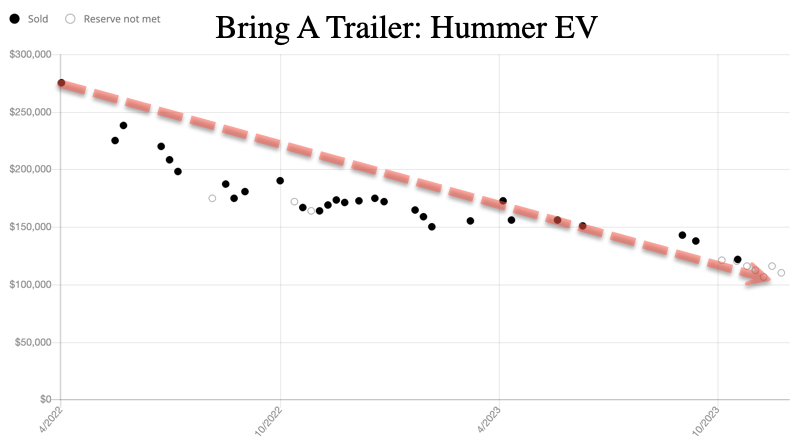
They said 2022 was a year of “hope and hype about EVs” but has morphed into a bust cycle as “supply of unsold BEVs is surging, as they are not selling nearly as fast as they are arriving at our dealerships — even with deep price cuts, manufacturer incentives, and generous government incentives.”
They warned: “Already, electric vehicles are stacking up on our lots which is our best indicator of customer demand in the marketplace.”
According to Bankrate data, this may be because new auto loans with 60-month terms have soared from around 3.5% to 7.78% in a very short period – we call this an interest rate shock. Current rates are at levels not seen since the second half of 2001.
The dealers said most customers are not ready for EVs, citing unaffordability issues. No fiscally conservative American trying to survive the failure of Bidenomics wants a +$1,000 EV car payment.
They explained most customers don’t have “garages for home charging or easy access to public charging stations” and were concerned about “loss of driving range in cold or hot weather.”
With that being said, the dealers asked Biden:
Mr. President, it is time to tap the brakes on the unrealistic government electric vehicle mandate. Allow time for the battery technology to advance. Allow time to make BEVs more affordable. Allow time to develop domestic sources for the minerals to make batteries. Allow time for the charging infrastructure to be built and prove reliable. And most of all, allow time for the American consumer to get comfortable with the technology and make the choice to buy an electric vehicle.
None of this should be surprising to readers. We have well-documented the EV bust this year, pointing out in late summer that dealers struggled to sell EVs with inventories piling up.
The letter to the president also comes as the clean energy industry is plunging into turmoil, with shares of solar, wind, and hydrogen stocks crashing this year.
President Biden’s green revolution stands no chance in a high interest rate environment.
And we wonder if the EV price war sparked by Elon Musk earlier this year with major automakers means Tesla is soaking up market share – or if they, too, are experiencing demand troubles.
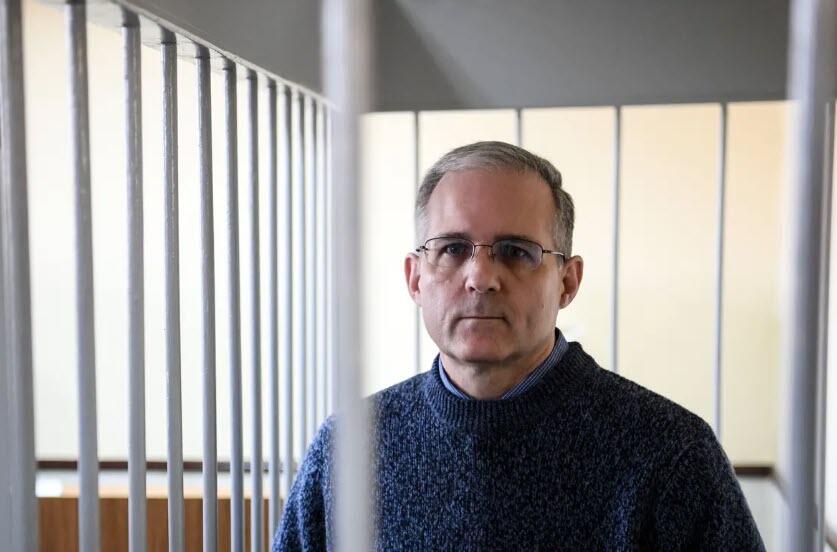
Paul Whelan, a retired U.S. Marine currently imprisoned in Russia, was assaulted by a fellow inmate on Tuesday, according to his brother.
In a press statement shared with The Detroit News, David Whelan said his 53-year-old twin brother had been able to contact their family after the incident and recount the attack he’d endured. David Whelan said his brother recounted sitting at a sewing table in a prison workshop at around 1:30 p.m. Moscow time when a recently arrived prisoner began to obstruct his work.
“A new prisoner blocked part of the production line and Paul asked him to move out of the way. After repeated requests, the prisoner hit Paul in the face, breaking Paul’s glasses in the process, and attempted to hit him a second time,” David Whelan’s statement on the attack read.
According to the statement, the attack occurred in a workshop area of the prison that the guards do not enter, and “Paul was at the mercy of this prisoner.” The American inmate was able to stand up from his workspace to block successive blows by his assailant, and other prisoners eventually intervened to break up the altercation.
The Russian state-owned TASS news agency corroborated the attack in a Wednesday report, but claimed prison staff intervened to break up the fight.
Paul Whelan holds U.S., British, Irish, and Canadian citizenship. After a bad-conduct discharge from the Marine Corps in 2008, he went on to work as a corporate security executive for a Michigan-based international auto parts manufacturer. He was traveling in Moscow in December of 2018 when he was detained by Russian authorities on espionage charges. He was convicted in a Russian court in July of 2020, and sentenced to 16 years in prison.
In his statement for The Detroit News on Tuesday, David Whelan shared his family’s concerns about his brother’s well-being as he continues his prison term at the IK-17 penal facility in the western Russian Republic of Mordovia.
“Paul is a target because he is an American and anti-American sentiment is not uncommon among the other prisoners,” he told the news outlet.
“It is too early to know whether they will take steps to ensure his safety in the future, both from this prisoner and others who may decide they have nothing to lose by attacking Paul.”
David Whelan said prisoners have access to “various sharp implements” in the prison workshop where his brother was attacked on Tuesday, and expressed concern about similar or, potentially, even worse attacks.
Biden Admin Seeking to Free Whelan, Others
The U.S. State Department considers Paul Whelan to be a wrongfully detained U.S. citizen and the Biden administration continues to negotiate for his release, as the five-year anniversary of his detention nears.
Last year, the Biden administration arranged a deal to release Russian national Viktor Bout in exchange for the release of Brittney Griner, a WNBA basketball player who was arrested in Moscow. Mr. Bout was serving a 25-year prison sentence in the United States after being convicted on arms trafficking charges, while Ms. Griner was imprisoned in Russia after being convicted for a drug offense. The Biden administration said it had sought Mr. Whelan’s release as part of the Bout-Griner swap agreement, but that the Russian side refused.
The U.S. Ambassador to Russia, Lynne Tracy, visited Mr. Whelan in prison in September.
The Biden administration and U.S. lawmakers have also pushed for the release of Evan Gershkovich, a Wall Street Journal reporter who had been covering Russia and who was detained in March of this year on spying charges.
Alsu Kurmasheva, a Russian-American citizen who works for Radio Free Europe/Radio Liberty (RFE/RL), has also been detained in Russia since June, and was formally arrested and charged last month with failing to register as an agent of a foreign government. The U.S. State Department has yet to designate Ms. Kurmasheva as a wrongfully detained U.S. citizen, despite requests for such designation by her family.
At a press conference earlier this month, State Department spokesperson Matthew Miller said the U.S. side has to gather the appropriate facts before it could make such a determination about her detention. He said the U.S. side hadn’t yet established consular access to meet with Ms. Kurmasheva as her case proceeds through the Russian court system.
Saudis Offer To Invest In Sanctioned Iranian Economy To Deescalate Gaza Tensions
Saudi Arabia has for the past month been directly engaging Iran on the Gaza issue, a half-year after the longtime rivals restored official relations in a China-brokered agreement. Prior to that, a decade-long proxy war had raged, chiefly centered on Syria, where Saudi Arabia and its partners backed al-Qaeda groups in an effort to topple Iran-aligned President Bashar al-Assad.
But the potential for major regional conflict has returned in light of the Israel-Hamas war, and Tehran is seen as a key backer of Palestinian Islamist factions now holding Israeli and foreign captives hostage.
On Wednesday, Bloombergreports the major development that “Saudi Arabia has approached Iran with an offer to boost cooperation and invest in its sanctions-stricken economy if the Islamic Republic stops its regional proxies from turning the Israel-Hamas war into a wider conflict.”
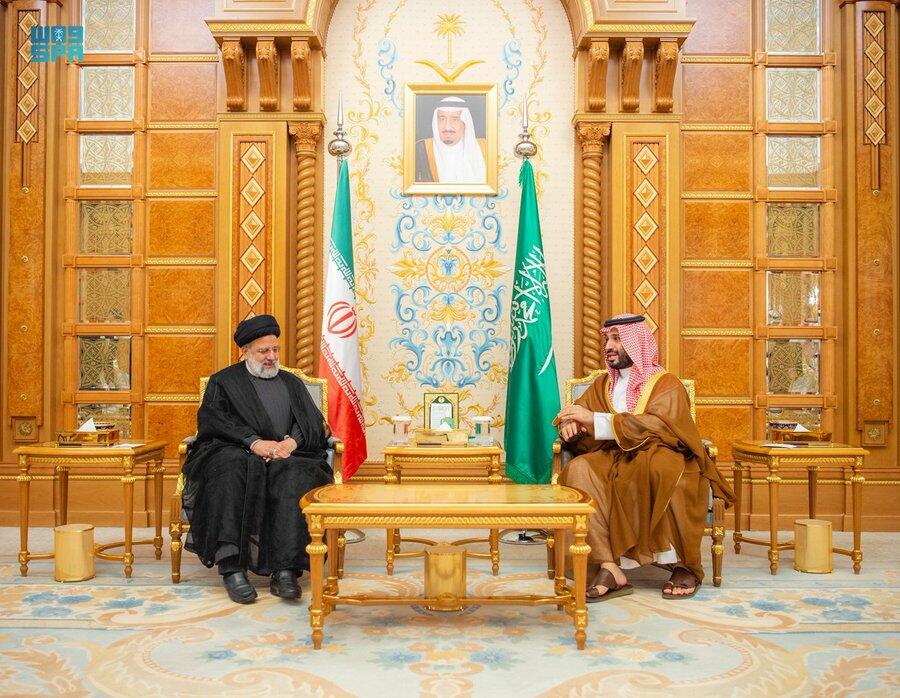
It was only this month that Iranian President Ebrahim Raisi and Saudi Crown Prince Mohammed Bin Salman met in person for the first time, after the restoration of diplomatic ties, during a summit in Riyadh which focused on addressing the Gaza war.
Bloomberg continues, “The proposal has been delivered directly and through multiple means since Hamas’s attack on Israel last month and the ensuing war in Gaza, according to Arab and Western officials familiar with the matter.”
Hamas is widely believed to be funded and trained by Iran, and prior to the Syria war even had an official office in Damascus (after 2012, Hamas had joined the anti-Assad jihadist insurgents), and so Tehran is seen as having the most influence. Qatar too has long had links to Hamas.
“While its unclear how seriously Tehran has taken Riyadh’s overtures, so far a regional war’s been averted,” Bloomberg observes. Hezbollah in southern Lebanon has so far respected the temporary truce which has been on since last Friday.
Yemen’s Houthi rebels, however, have persisted in drone and rocket launches toward southern Israel after ‘declaring war’ on Tel Aviv. Houthi militants have also hijacked an Israeli-linked vessel in the Red Sea. The Shia militants have long been backed by Iran, which also supplies them with advanced drone and missile systems.
Houthi attacks on international shipping in Mideast waters have ramped up of late…
Iran’s proxies’ aggression and tensions in the Persian Gulf
Vice Admiral (Ret.) Eliezer (Eli) Marom, former Commander of the Israeli Navy, and @JasonMBrodsky, Policy Director of United Against Nuclear Iran, examine the… pic.twitter.com/pf4ICJ8BnQ
If this fresh reporting of the Saudis offering investment opportunities to Iran proves accurate, it could create deeper tensions between Riyadh and Washington, considering the longtime US sanctions on Iran. US law requires even third parties doing business with Iran to face punishment.
However, this could also have the quiet blessing of the Biden White House, which has sought ways to reverse the prior Trump administration’s ‘maximum pressure’ campaign, also amid efforts to reign in the Islamic Republic’s nuclear program. While a couple of years ago the US was more aggressive in seizing Iranian oil as it shipped globally, these efforts appear to have waned.
If you’re not familiar with a little organization called the “Council For Inclusive Capitalism,” don’t worry, most people have never heard of it. The group was formed at the height of the covid pandemic; as fear instilled by government officials and the media propagated the news feeds, the majority of the public was rather distracted. The CIC is essentially everything that conspiracy theorists have been warning about for years packaged into a single Orwellian entity, complete with dramatic piano music and a mask of humanitarian philanthropy.
The basic root function of the council is to centralize most or all major corporations (corporations with global influence) and join them with governments into a network that places ideology over profit motive. Some people might argue that corporations need to adopt a shared value system instead of simply roaming around like sharks devouring whatever they can sink their teeth into. But who gets to choose the set of values that corporate behemoths follow?
The CIC is a physical body representing the action arm of the ESG concept. It is meant to create incentives and punishments for the business world based on their compliance with the values of globalism and woke socialism, as well as their submission to the climate agenda. I have written about this issue extensively, but my article ‘What Is The “Council For Inclusive Capitalism?” It’s The New World Order’ is probably the best overview of the group and their intentions.
The idea is simple: Bring the majority of corporations into line with the far-left political order. Once this is done, they will force those companies to use their platforms and public exposure to indoctrinate the masses. We have seen this strategy in action over the past several years, with many companies producing a steady stream of products, media content and marketing rife with Diversity, Equity and Inclusion propaganda, not to mention anti-west and anti-conservative propaganda.
These corporations have been so ingrained into the DEI and ESG format that many of them are willing to alienate the majority of their customers and lose vast profits. The last vestiges of free market economics are thus destroyed, because the profit motive has been replaced with a political motive.
Why would companies choose to join with such an organization if they are going to be constantly micromanaged in their operations? It my not be presented to them as a choice, but rather an inevitable requirement. Those who get in on the ground floor get the best seats at the cabal’s table; those who join late might be crushed under the weight of an oppressive socialist bureaucracy.
Then again, the choice could also be voluntary with the promise that corporate leaders will be given extensive governance roles after the “Great Reset” of capitalism which the World Economic Forum discusses so often.
Keep in mind that the only way such companies would be able to survive after being shunned by the majority of the public is if they join with governments, are handed a state sponsored monopoly and are supported by perpetual subsidies. They might even be operating under the assumption that as long as they continue to serve the woke religion they will eventually be rewarded with “too woke to fail” status.
Mussolini once defined the meeting of corporate power with government power as the original design for fascism. The Council for Inclusive Capitalism is the living breathing expression of that authoritarian seed.
The group is headed by Lady Lynn de Rothschild of the notorious Rothschild dynasty, and has expanded to include an army of corporate partners, government partners, UN partners and even the Vatican. A key component to the globalist agenda that is mentioned frequently is Artificial Intelligence (AI), along with its supposed ability to upend everything in our society and economy forever. While the abilities of AI are highly overrated, the elites seem to think it’s some kind of godlike apparatus that will remake the world. Lady Rothschild engaged with the media recently to promote an interesting and revealing argument:
Surprisingly, Rothschild meets some resistance from her interviewers which forces her to make an indirect admission: AI will require a “root and branch reform of the economy,” meaning, free markets have to go and government/corporate partners will have to step in to control everything, for the sake of the populace and the “greater good”, of course.
Except it’s all a sham.
AI, much like climate change, is quickly becoming yet another fabricated excuse for global centralization. The CIC along with institutions like the WEF and the UN have been asserting for the past few years that “someone” needs to step in to moderate AI so that no single government abuses its apparently unlimited power. In other words: Problem, Reaction, Solution.
The globalists create a problem out of thin air (AI), then suggest it is a much greater boon (or threat) to humanity than it actually is, then they offer their services as fair and benevolent arbiters of the technology and its effects. Rothschild suggests it herself in the interview when she claims that “capitalists” will have to adjust their priorities over to social causes in the wake of AI. As I stated before, it’s just ESG in another form.
I would point out the tone of disdain in Rothschild’s reaction when free markets are brought into the debate. These people HATE any notion of free markets. Adam Smith’s system was drafted in direct response to the trespasses of mercantilist control. The two constructs are mutually exclusive. You cannot have free markets (or freedom) within a centralized mercantilist empire. You cannot have free markets and socialism within the same economy. And to be clear, the system we have in the US today is NOT a free market system, it is former free market system slowly undermined over time.
Free markets are already fair. Corporate elites interfere with that fairness when they join with governments to rig the system in their favor and gain undue advantages. The inequities Rothschild describes as an excuse for centralization were in fact created by elites like her. The CIC and the Great Reset agenda are nothing more than tools to entrench corporate and elitist power forever.
They get to decide which companies thrive or die. They get to decide the social values of the next century. They get to dictate how the worlds resources are utilized and who is allowed access to them. And, governments will ensure that they are protected from the rage of the people should the public become wise to their hostile takeover.
The most insulting part? Anyone who criticizes or attacks this ideological invasion of our economic life will be accused of being a monster. After all, the CIC just wants to save humanity from itself, right? If you want to stop them, you must be some kind of selfish villain that values individual freedom over the common good.
The bigger question that the globalists don’t want us to ask, though, is what makes them qualified to determine the common good? Why is is assumed that they should be the arbiters of everything? Even the stagflation crisis we are facing today is a direct result of governments and central banks stepping in with trillions in fiat money to save the “too big to fail” corporations from their own disastrous practices. Why should we trust them with our social welfare, or anything else for that matter?
The globalists will respond to this argument with AI. They will say that AI is the ultimate “objective” mediator because it has no emotional or political loyalties. They will assert that AI must become the de facto decision making apparatus for human civilization. And now you see why Rothschild is so anxious to spearhead the creation of a global regulatory framework for AI – Whoever controls the functions of AI, whoever programs the software, eventually controls the world, all while using AI as a proxy. If anything goes wrong, they can simply say that it was AI that made the decision, not them.
It is the perfect shadow government; a technocratic Wizard of OZ using the smoke and mirrors of an AI puppet to rule the planet, removing all accountability and displacing all rebellion. For how can the populace argue with or revolt against a faceless algorithm floating in the digital ether?
* * *
If you would like to support the work that Alt-Market does while also receiving content on advanced tactics for defeating the globalist agenda, subscribe to our exclusive newsletter The Wild Bunch Dispatch. Learn more about it HERE.
Sen. Kennedy Recoils After Witness Says Rapists Should Be Forgiven After Enough Time Has Passed
Sen. John Kennedy (R-LA) was taken aback on Tuesday after a witness in a Senate Judiciary Committee hearing suggested that rapists should be forgiven if a certain amount of time has passed.
During a hearing on “The Gun Violence Epidemic: A Public Health Crisis,” Kennedy asked Dr. Franklin N. Cosey-Gay:
“You said no one should be judged by the worst thing they have done in their lives. If one of these young doctors sitting behind you, god forbid, walks out on the streets of Washington, D.C., and is raped or sodomized, you don‘t think the rapist should be judged?“
“I don‘t think it should be terminal, it shouldn’t be for the rest of their lives,” replied Cosey-Gay, Director of the Violence Recovery Program at the University of Chicago Medicine’s Urban Health Initiative for the past two years (as noted by the Daily Caller).
“You think we should forgive them and not give them any punishment?” Kennedy asked in reply. “You think nobody is responsible for their actions?”
“I believe in responsibility, but I believe in forgiveness,” Cosey-Gay shot back.
“Wow!” Kennedy replied.
Watch:
This degenerate doctor doesn’t know how easy it is for a rapist to forget what they did. Unlike a rape victim, who lives with the memory of this serious crime for the rest of their life. Rape is not a right! – Asked by Sen. Kennedy if ‘the Rapist Should Be Judged,’ UChicago… pic.twitter.com/ASdY6f51la
— Alexandra Datig | Front Page Index 🇺🇸 (@alexdatig) November 28, 2023
Kennedy had also questioned two other witnesses, including Dr. Megan Ranney, dean of the Yale School of Public Health, over failures by city officials such as Philadelphia DA Len Krasner’s refusal to prosecute 47% of illegal gun possession cases.
Clinical pathologist Dr. Ryan Cole has said that DNA contamination in some COVID-19 vaccines may be related to an increase in cancers, micro-clotting, and autoimmune diseases.
“My big concern is the fact that billions of people across the earth have received a product that was overtly contaminated with something that should not have been in the product,” Dr. Cole, an anatomic clinical pathologist with postgraduate Ph.D. training in immunology, recently told the “American Thought Leaders” program.
“If I went and bought some meat at the grocery store and they had heavy metal or pesticide toxins, they would pull those from the shelves immediately,” he added.
Recently, researchers found that vaccine vials containing Pfizer’s COVID-19 vaccines had billions of residual DNA fragments, including molecules derived from Simian Virus 40 (SV40) used as “promoters” or “enhancers” that help produce the mRNA molecules that help human cells make proteins that trigger an immune response inside the body.
Monkey Virus ‘Enhancers’ in Vaccines
SV40 is a monkey polyomavirus that has been linked to cancer in laboratory animals. While the virus itself was not found to be present in Pfizer’s COVID-19 vaccine, the presence of the SV40 enhancer gene is controversial because it comes from a virus associated with malignant transformation. However, some experts have raised concerns that the SV40 enhancer itself may be associated with adverse events.
Dr. Cole believes that the SV40 enhancer has health risks, saying it contains a “concerning” nuclear co-localization sequence that “allows it to get into the nucleus of the cell and to induce these different pathways of action and mechanisms that can, again, go haywire, mutate, cause toxicity.”
Molecular virologist David Speicher, the lead author of the study that found SV40 enhancers in COVID-19 vaccines, told The Epoch Times in a recent interview that much more research is needed to investigate DNA contamination in the COVID-19 vaccines. Unanswered questions include whether the SV40 sequence in the vaccines is triggering “turbo cancers,” meaning ones of a particularly aggressive and fast-growing variety, he said.
A recent review of cancer registry records from 44 countries found a rapid rise in the incidence of early-onset cancers for 14 types—including colorectal, breast, esophageal, gastric, and pancreatic cancers—especially in younger adults.
‘Turbo Cancers’ Rising?
Dr. Cole said that “turbo cancers” is a colloquial term for a phenomenon physicians are increasingly observing, namely that the cancer symptoms come faster.
“Now I’m seeing the solid tissue cancers at rates I’ve never seen,” Dr. Cole said. “Patients that were stable, or cancer-free for one, two, five, ten years and their cancer’s back—it’s back with a vengeance and it’s not responding to the traditional therapies.”
He said there’s no easy explanation for the “turbo cancer” phenomenon but he believes it may have something to do with immune system suppression.
“It’s not necessarily that the gene sequence is causing cancer with the gene sequence … it can cause some of the mutations that lead to cancers—but what it’s also doing it’s suppressing the immune system,” he said.
“And your immune system is what kills cancer. And if your immune system is asleep, your killer cells can’t be activated,” he added.
In a separate study, microbiologist Kevin McKernan, a researcher who worked on MIT’s Human Genome Project, said he found that the amount of DNA in COVID-19 vaccines could be 18 to 70 times higher than the limits required by a top health agency.
“Early in 2023, genomics scientist Kevin McKernan made an accidental discovery. While running an experiment in his Boston lab, McKernan used some vials of mRNA Pfizer and Moderna Covid vaccines as controls. He was ‘shocked’ to find that they were allegedly contaminated with tiny… pic.twitter.com/hofRn7Ckgs
Earlier this year, Mr. McKernan published a paper finding that the quantities of DNA contamination in the vaccines exceeded the European Medicines Agency’s (EMA’s) 330 ng/mg of DNA to RNA requirement by between 18 and 70 times. It’s also higher than the Food and Drug Administration’s (FDA’s) 0 ng/dose requirements, and it had a reading of 12 ng/dose.
At the time, he warned that the DNA plasmids could infiltrate the human genome, contradicting public statements made by the FDA and other regulators that COVID-19 vaccines do not alter human DNA.
Dr. Cole explained that the smaller a fragment of DNA is, the more likely it has the opportunity to intercalate into one’s own DNA, though he added more research is needed.
“Do we still have some testing, some probes, that we need to develop to prove this? Yes, we do have to do that,” he said. “Several of us are in some small communication groups, trying to figure out the long term implications of this. But it does explain a lot of the really strange happenings in the human body that we’re seeing in terms of, you know, clots, auto-immune disease, cancers, etc.”
He said the reason he and others believe this may be the case is because the DNA fragments are changing the signals within cells.
“Human cells are meant to make human proteins,” he said. “Human cells were not meant to make foreign proteins. When we program people’s cells to make things they’re not supposed to make, they can go haywire, they can mutate, they can become a target, have our own immune attack … our own immune system attacking ourselves.”
‘Horrific Idea’
Dr. Cole said that there are “so many tangents” of possible adverse events associated with the DNA fragments in the COVID-19 vaccines, while warning that it’s not known how long these fragments can remain in human cells.
He added that his concern about the impact of the DNA fragments on human health isn’t just confined to COVID-19 vaccines.
“My concern is this entire technology, a lipid nanoparticle in and of itself, is an unproven product,” he said, referring to the tiny balls of fat that contain and shield the messenger RNA, or mRNA, from destructive enzymes as it’s shuffled into human cells to make proteins.
“They’re trying to create them for RSV and for flu and for many other pathogens,” he continued, saying that the lipid nanoparticles take “those little gene sequences any and everywhere in the body” and that they were designed to take chemotherapeutic agents across the blood-brain barrier into the brain in particular.
“So to use this as a carrier platform, a lipid nanoparticle plus whatever gene—[it’s] cool conceptually,” he said, but “in practicality, a horrific idea.”
But “to randomly and willy nilly give this to everybody with no long-term safety data” is a bad idea, he argued.
Besides possible links to cancer and immune system issues, Dr. Cole said that blood clotting was another possible adverse reaction to the vaccines, in particular to the spike protein that they contain.
“But not just the spike protein,” he was quick to add. “This was a message I got flying in yesterday, from a colleague: ‘Hey, we need to look at this particular sequence within the DNA contamination because it also codes for a very sticky protein,'” calling it “another area” that needs more research and further exploration.
“But the clots are an unusual type of clot,” he said, saying they’re an amyloid-type protein rather than a traditional amyloid.
While he cautioned that he was just “hypothesizing,” he said that clinical patterns suggest some people who got COVID-19 vaccines continue to produce “considerable” amounts of spike protein, which he said can “induce clotting pathways.”
He suggested that the human enzymes that naturally break clots down “are being blocked and inhibited because of those unusual sequences that have been injected into a lot of people” by way of COVID-19 vaccines.
‘Benefits of Their Use Outweigh Their Risks’: FDA
The FDA has responded to concerns about billions of plasmid DNA fragments in Pfizer’s COVID-19 vaccine by saying that the benefits of the shots outweigh their risks.
“The mRNA COVID-19 vaccines authorized or approved for use in the United States are not defined as a gene therapy,” the FDA told Maryanne Demasi, a former Australia Broadcasting Corporation journalist who now writes a Substack page.
The FDA spokesperson continued by saying that the agency “is confident in the quality, safety, and effectiveness of these vaccines” and added that the “agency’s benefit-risk assessment and ongoing safety surveillance demonstrates that the benefits of their use outweigh their risks.”
The context for the FDA’s response was Ms. Demasi’s interview with Phillip Buckhaults, a cancer genomics expert and a professor at the University of South Carolina, who said that “there is DNA contaminating the vaccine, but I was also able to put a stop to some of the rumors on social media about the SV40 virus being in the vaccine and that it’s going to give everybody cancer because that’s not true.”
He was referring to claims that the SV40 virus was present in COVID-19 vaccines and was giving people cancer after vaccinations.
“There’s just a piece of SV40 promoter in the vaccine,” Mr. Buckhaults added. “And that’s what people were seizing on, people were saying there’s a monkey virus, we’re all going to turn into monkeys or get cancers next week or something,” the professor continued, referring to the earlier claims on social media about it being the cause of cancers. “I did my due diligence to tamp down that kind of fear—which was my original purpose.”
Regarding the DNA fragments found in the Pfizer vaccine, the size of the tiny particles is what matters, Mr. Buckhaults said.
“The FDA says 10 nanograms. Now 10 nanograms could be from one molecule that’s absurdly ginormous. Or it could be a whole bunch of little bitty molecules. And the hazard for genome modification is not a function of the mass,” he continued. “It’s a function of how many independent molecules you’ve got. So, it’s actually way worse, having a whole bunch of these little pieces in terms of a risk of some insertional mutagenesis happening. That’s way worse than even having one big piece left over.”
However, he expressed the opinion that there likely isn’t “anything nefarious” at play and instead it was “kind of accidentally administratively dumb.”
What may have happened, according to the researcher, is that Pfizer, federal officials, and others “were scared to death” about COVID-19 in 2020 when the vaccines were being worked on and that mistakes were made.
‘Genotoxicity Risk’
Dr. Robert Malone, who helped invent the mRNA technology that the companies used for the shot, was among the witnesses testifying at a recent hearing in Washington in which he said that the SV40 enhancer sequence leaves behind residual DNA that could cause problems.
“That’s a proven genotoxicity risk,” he said.
There’s a possibility the fragments are causing the unusual types of cancers that have appeared following the rollout of the vaccines, he added later.
“I speculate that what we may find is that the cancer risk here may be partially attributed to these DNA contaminations; that would be consistent with the peer reviewed literature,” Dr. Malone said. “And by the way, these DNA fragments may also be shown to contribute to genetic anomalies in fetus[es], which is one of the most prominent causes of premature abortion.”
Dr. Malone previously said that the inclusion of the sequence means the vaccine is adulterated and should be recalled by the FDA.
The regulator told The Epoch Times that “no safety concerns related to the sequence of, or amount of, residual DNA have been identified” and that the FDA would not be recalling the shot.
The EMA, which regulates vaccines in European Union member states, told The Associated Press that “non-functional” fragments of SV40’s DNA sequence were used as “starting material” in producing the vaccine.
The EMA added that while most of these materials are broken down and removed in the manufacturing process, trace amounts might still remain at “very low levels” in the final product. However, the EMA has insisted they are well within established safety guidelines.
“EMA has seen no evidence of an association between mRNA vaccines and adverse events that could be linked to the presence of DNA material, nor are we aware of any scientific evidence showing that the very small amounts of residual DNA that may be present in vaccine batches could integrate into the DNA of vaccinated individuals,” the Amsterdam-based agency said in an emailed statement to The Associated Press.
Pfizer did not respond to earlier requests for comment on the presence of the DNA fragments in its COVID-19 vaccine.
However, Pfizer told The Associated Press that “there is no evidence to support claims that the Pfizer-BioNTech COVID-19 vaccine contains plasmid DNA that could potentially impact a person’s DNA or be a theoretical cancer risk.”
Jack Phillips, Zachary Stieber, and Marina Zhang contributed to this report.
GOP Rep Livid At UN Proposal For Western Nations To Reduce Meat Consumption
An agency within the United Nations is expected to unveil a ‘roadmap’ during the COP28 climate summit in Dubai which will recommend that nations which “over-consume meat” must limit their consumption in order to reduce greenhouse emissions, and that developing nations with nutritional challenges need to beef up their livestock farming, Bloomberg reports, citing the UN’s Food & Agriculture Organization (FAO).
The FAO report is also expected to suggest that farmers should try to reduce emissions produced from food waste and the use of fertilizer.
The Rome-based UN agency, tasked with improving the agricultural sector and nutrition, is seeking to strike a balance between the climate transition and ensuring food security for the growing global population. So as well as calling for less meat consumption for the world’s well fed, the plan would also encourage farmers in developing countries to bolster productivity of their livestock and supply more sustainably. -Bloomberg
The narrative is cast
“We already have solutions to tackle climate change, and many of these solutions, whether it is agroforestry, restoration of soils, sustainable livestock, or fisheries management, have multiple benefits as they can also support the sustainable use of biodiversity, as well as help with food security — multiple benefits from the same solutions that only agriculture and food systems offer,” Kaveh Zahedi, director of the FAO Office of Climate Change, said last week, according to Fox News.
The UN has, for years, called for individuals to ditch animal-based diets, which it says “have a high impact on our planet.” Instead, individuals should choose plant-based foods, according to the UN, which can reduce a person’s annual carbon footprint by up to 2.1 tons.
In the U.S., though, agriculture alone generates about 10% of total greenhouse gas emissions, federal data shows. The American agriculture sector accounts for just 1.4% of global emissions and has implemented a wide range of solutions, making it the nation’s lowest-emitting economic sector.
Oh stuff it…
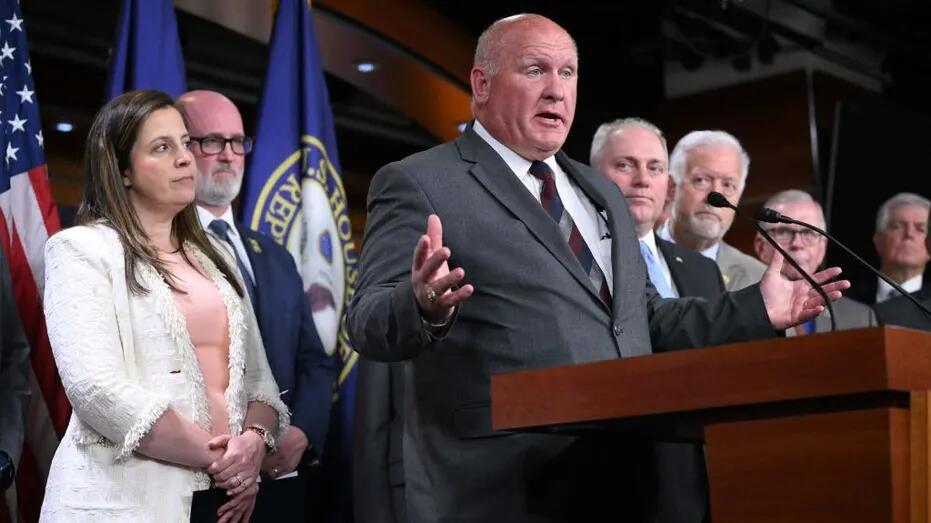
“America’s farmers and ranchers are climate heroes, reducing emissions while providing abundant and affordable food, fiber, and fuel,” Rep. Glenn Thompson (R-PA), Chairman of the House Agriculture Committee, told Fox Digital.
“Regulating producers out of business in the U.S. will not effectively address global climate change, but export production to foreign countries with hostile regimes and worse emissions profiles while harming food security and affordability. Simply put, the world needs American farmers and ranchers more than the UN,” he added.
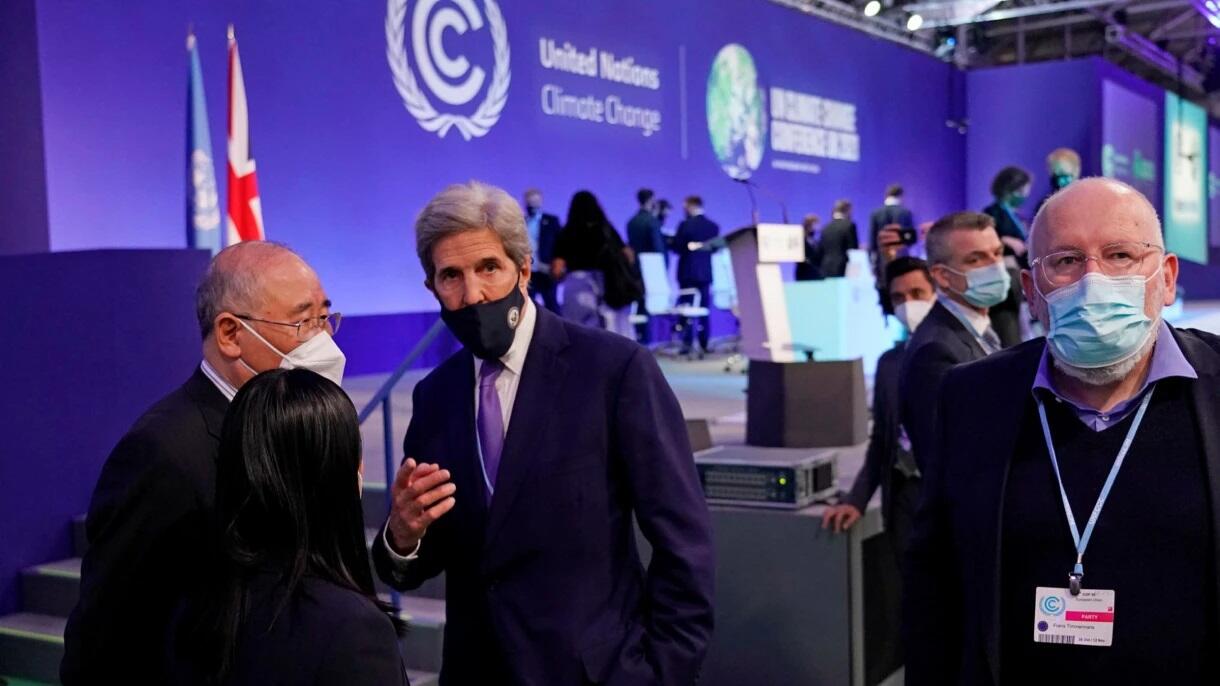
In May, Thompson and several other House Republicans slammed Biden Climate Envoy John Kerry for singling out food emissions while giving a speech at the Department of Agriculture’s AIM for Climate Summit earlier that month.
“A lot of people have no clue that agriculture contributes about 33% of all the emissions of the world,” Kerry said. “We can’t get to net-zero, we don’t get this job done unless agriculture is front and center as part of the solution. So all of us understand here the depths of this mission.”
“Food systems themselves contribute a significant amount of emissions just in the way in which we do the things we’ve been doing,” Kerry continued. “With a growing population on the planet – we just crossed the threshold of 8 billion fellow citizens around the world – emissions from the food system alone are projected to cause another half a degree of warming by mid-century.”
Climate grifter extraordinaire, John Kerry: The farming industry must be destroyed in order to achieve Net Zero.
“Agriculture contributes about 33% of all the emissions of the world. And we can’t get to Net Zero—we don’t get this job done—unless agriculture is front and centre… pic.twitter.com/9ovx7pZWzc
The new Ridley Scott movie “Napoleon” is good, not great.
It at least provides a tantalizing overview of post-revolutionary France about which most Americans today know absolutely nothing.
It does put on screen the astounding brutality of old-world forms of warfare and their complete disregard for the human life of the people on the frontlines. So that’s something.
Another point in its favor is to introduce a topic that completely enthralled a late 18th-century generation of great thinkers; namely, why did the American Revolution succeed whereas the French Revolution ended in grim waves of death and then dictatorship?
Edmund Burke and Lord Acton offered a similar explanation.
America had a long experience with freedom and self-government, while the foreign king had virtually no presence in Colonial life other than that which was an exogenous annoyance.
In French political culture, the monarchy and the ruling class generally had a long and outsized role in politics, religion, manners, and national identity generally.
The debunking and killing of the center led not to freedom but to a power vacuum and social anomy.
Whereas that American revolution was restorative, the French Revolution proved purely destructive.
So while I cannot recommend you see the film (the overly lascivious scenes are wholly gratuitous), it is not a complete failure if only to cause reflection on such serious themes.
Something else caught my eye.
It has to do with how it came to be that Napoleon was the right man in the right times to be crowned emperor at a moment when the country as a whole was desperately lacking in some kind of driving center to national life.
The obvious answer is that he experienced a series of battle successes that created the appearance of a winning personality and brilliance.
This sense that he had it all together long outlasted growing evidence of failure. Only once the catastrophe of his reign became undeniable was he finally exiled and disgraced.
This provokes thought of a bigger theory. Success can breed a long series of failures.
This is true in technology, ideas, policies, and leaders.
We are so impressed when something truly wonderful comes along in our otherwise uneventful lives that we infuse the source with a wildly exaggerated sense of valor and even infallibility.
That sets up conditions of disaster, as our sense of doubt and desire for evidence are put on hold in favor of faith and hope unmitigated by demands for proof.
This is the story of Napoleon but it is the story of so much else too.
Consider, for example, what happened with vaccines.
The smallpox vaccine provided protection against a terror of the ages that had wiped out native populations and vexed the human experience for the whole of recorded history. With one shot against this pathogen, humanity was protected and the disease finally eradicated in 1980. That was not that long ago. It was a seeming miracle born of science and medicine. That earned the whole industry enormous credibility.
Because of this string of successes, the glow surrounding vaccines burned brighter and brighter.
Then came the shot mandates for measles, mumps, rubella, polio, and so much more, including relatively harmless infections like chickenpox to which parents had long ago exposed children when they were young to prevent a worse outbreak in later years. The childhood schedule grew and grew to include things like Hepatitis and, absurdly, COVID-19, a shot that wears off quickly, doesn’t really pertain to existing strains, and for an infection that has no medically significant effects on children.
The downside of this huge cocktail of pharma stuff is insufficiently studied, to say the least.
The makers of vaccines for children were even given full liability protection by government, thus bypassing a basic standard of medical law dating far back: if you cause harm, you pay the price. But with vaccine makers, they were able to push their shots on the whole population with wild impunity.
The long-ago success led to a vast amount of failure that has been overly tolerated or glamorized. The COVID-19 vaccine may prove to be the pharmaceutical Waterloo, the defeat that finally debunks the glory of the past and erases the valor the industry once enjoyed.
We can think of many such examples. Consider the way famed pop music and movie stars are all eventually goaded into pronouncing on politics, thus producing incredible inanities that are deeply embarrassing. This is the principle at work again. The success in one realm does not translate into all realms and yet both the star and the public take a while to catch on. The reputational capital earned from one or several conspicuous successes lasts far longer than it should and bleeds into other areas that it does not belong.
It’s true with government too. Look at the grand success of the U.S. involvement in the Second World War.
The U.S. government took all credit for the victory (ignoring, for example, the role of Russia in the defeat of the Nazis) and the world had stood in awe at the awesome power of the nuclear bomb on civilian populations. A new sensibility came about that government can do anything and produce astonishing results. That provided the liberality necessary for the U.S. space program, which put a man on the moon.
This string of successes wiped out the memory of New Deal fiascos and tossed the disaster of the Great War into the dustbin of history.
It wasn’t long before we had every manner of crazy experiment going on. We had the Great Society, public housing in urban areas, and coercion into every realm of domestic life. It was particularly bad in foreign policy. The Vietnam War was next and that produced disaster. Still, the U.S. empire had wind at its back. The Cold War victory led to the War on Terror, the crazed attempt to democratize the whole of Iraq, Afghanistan, Libya, and Syria. Those attempts created a catastrophic refugee crisis in Europe and all over the world.
Here we find the principle at work again: some success produces a long string of terrible failures. This is because success blots out the normal amount of public incredulity that should greet crazed experiments. We’ve seen this reach absurd levels in our time as governments have claimed to be the master of the global climate plus control and defeat the whole of the microbial kingdom. These attempts have yielded major disasters, such as Napoleon’s military campaigns late in his career.
We might observe the same phenomenon in digital technology.
The internet wowed the world and rocked our sense of the possible. But we weren’t very balanced in our assessment. As TikTok rots the brains of the young and government uses social media to propagandize everyone else, we’ve lost the ability to call a failure what it is.
The lesson I take from this is that success is to be feared as much or more than failure itself.
The movie “Napoleon” is not a failure but would it have ever been made had Ridley Scott not been responsible for “Gladiator”? That’s my point in a nutshell.