U.S. Navy Deploys Sea Robots To Sweep Hormuz Chokepoint For Mines
The US military is deploying unmanned and autonomous surface platforms that can tow an advanced mine-hunting sonar system to detect sea mines that were deployed by Iranian naval forces. This development comes even as Iran closed the Hormuz chokepoint on Saturday morning.
By Sunday morning, Iran’s chief negotiator said some progress had been made in negotiations with the US, but there is still a long way to go before a deal is reached.
Despite the volatility in the Hormuz chokepoint’s operational status, somewhat like Katy Perry’s “Hot N Cold,” the US military deployed numerous sea drones towing the floating sonar minesweeping system.
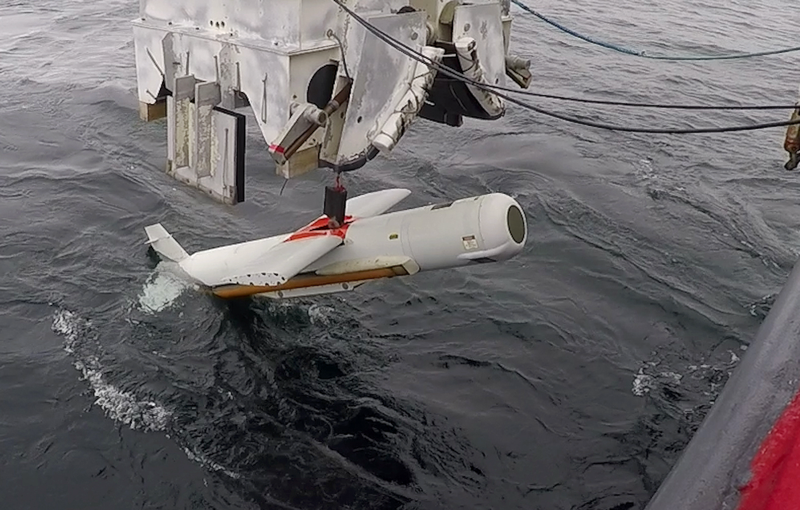
WSJ explained:
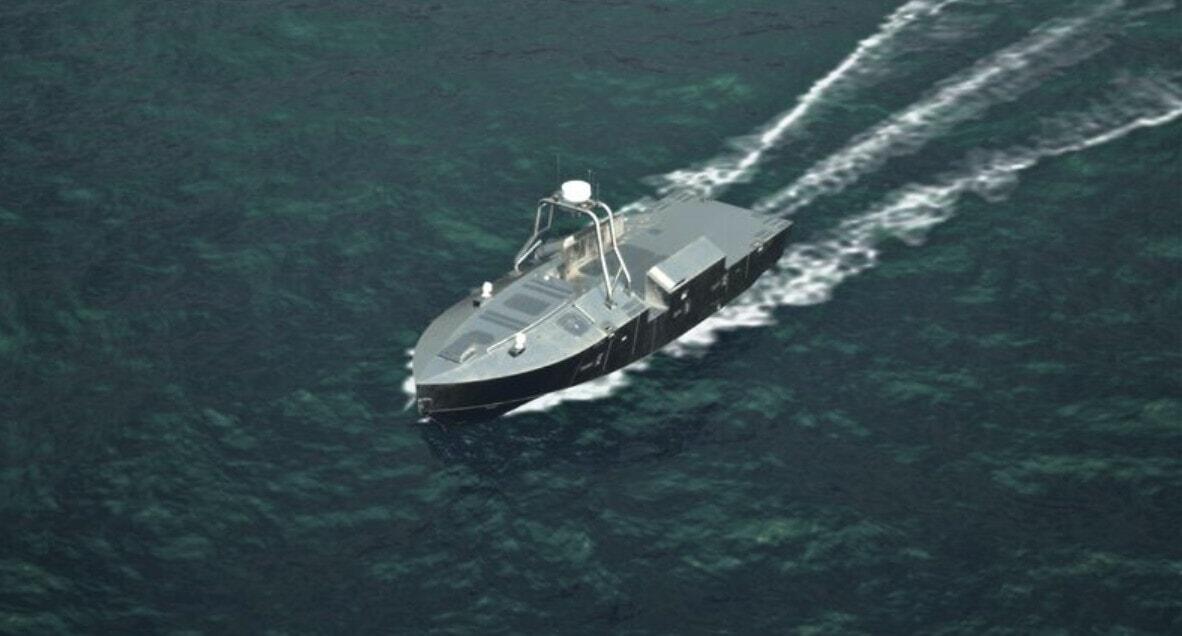
The Common Uncrewed Surface Vessel, a drone made by RTX that tows a new floating sonar system called the AQS-20, scans the bottom of the sea for mines, patrolling columns that are 100 feet wide at a time.
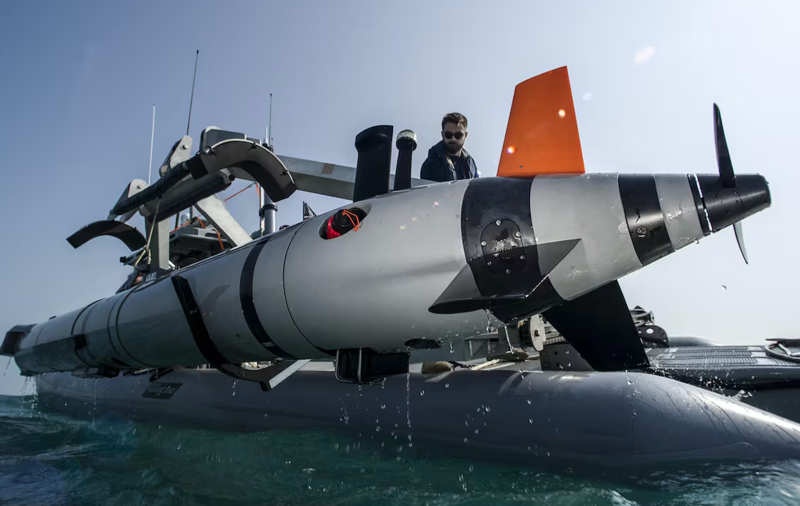
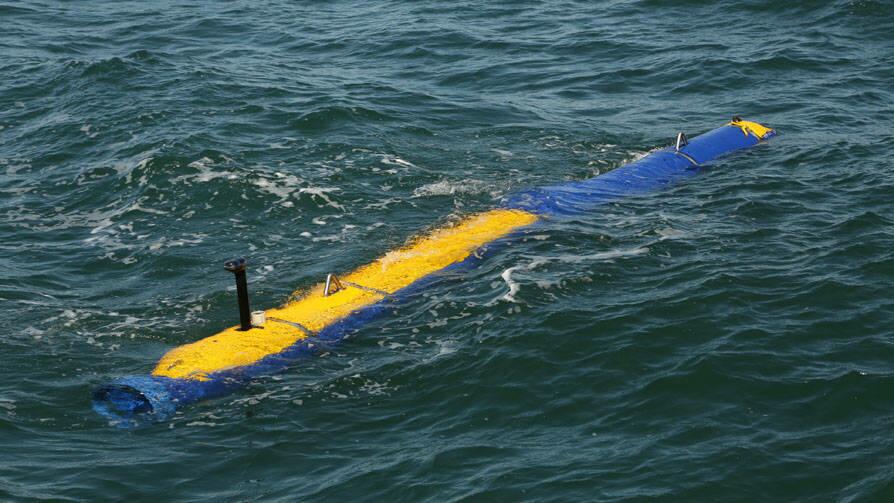
Battery-powered submarine drones, called the MK18 Mod 2 Kingfish and the Knifefish, made by General Dynamics can be dropped in the water from a small boat and then scan for mines in a pattern.
MK18 Mod 2 Kingfish
Knifefish
“You’re less concerned about attrition, so sending them through the minefield is much more palatable, and if you lose some, they can be replaced,” said Scott Savitz, a senior engineer at Rand who previously worked with the Navy’s mine warfare command and U.S. Naval Forces Central Command.
The minesweeping push by the US Navy is unfolding alongside the US blockade at Hormuz, which the Trump administration hopes will pressure Tehran in talks.
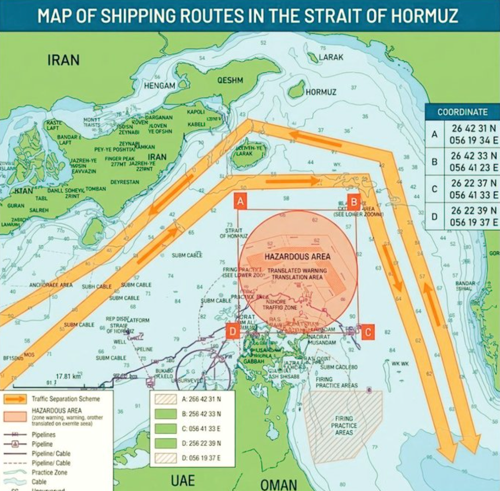
On Saturday, Iran shut the waterway, and two Iranian gunboats fired on a tanker near Oman, while a second tanker was hit by a “projectile.”
Clearing the backlog of tankers trapped in the Gulf could take weeks or months, and restarting energy assets in the region will also take time. There is also a loss of sizeable energy production capacity in the Gulf area, such as LNG production in Qatar, which could take several years to return to prewar levels. We’ve noted that the beneficiary of this loss production will be US energy exporters in the Gulf of America.
Autonomous minesweeping operations in Hormuz by the US Navy are part of a broader push toward automation and AI on the modern battlefield, as low-cost unmanned systems rise and future wars are expected to be fought with robots.
Related:
-
US Deploys Ukrainian-Style Drone Boat In Iran War As AI Weapons Race Accelerates
-
US Launched Kamikaze Drones Against Iran, Reflecting Lessons Learned From Ukraine
And this:
Can’t stop the ‘Rise of Skynet’….
The core issue is that the hyperdevelopment of low-cost autonomous warfare systems in Ukraine, Russia, China, and elsewhere has effectively pulled 2030s-era warfare into the present. Washington is already preparing for that threat on the Homeland (read here).
Tyler Durden
Sun, 04/19/2026 – 08:45
via ZeroHedge News https://ift.tt/pOh2MvB Tyler Durden