Dubai’s New East Coast Port Signals The Beginning Of End For Iran’s Hormuz Leverage
Less than a week into the US-Iran conflict, specifically on March 3, we began to see the writing on the wall: Tehran’s leverage over the Strait of Hormuz would eventually erode. That would happen not only because the US military could systematically destroy IRGC’s radar sites, coastal missile batteries and drone launch sites along the maritime chokepoint, but also because Gulf states would eventually respond with a generational infrastructure buildout, from new pipelines to coastal ports, designed to entirely bypass Hormuz altogether.
Surprising Fujairah is not a bigger oil terminal: it bypasses the straits completely.
Expect major infrastructure push here after the war. https://t.co/Do1gK7KBDQ
— zerohedge (@zerohedge) March 3, 2026
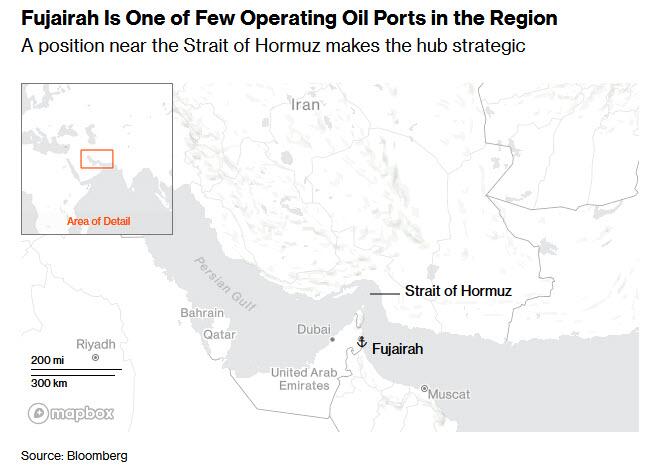
The emerging theme gained momentum on Monday morning with a new Financial Times report stating that Dubai’s state-owned ports and logistics giant, DP World, is considering a massive new port and container terminal on the UAE’s east coast, in Fujairah, to bypass the Hormuz chokepoint.
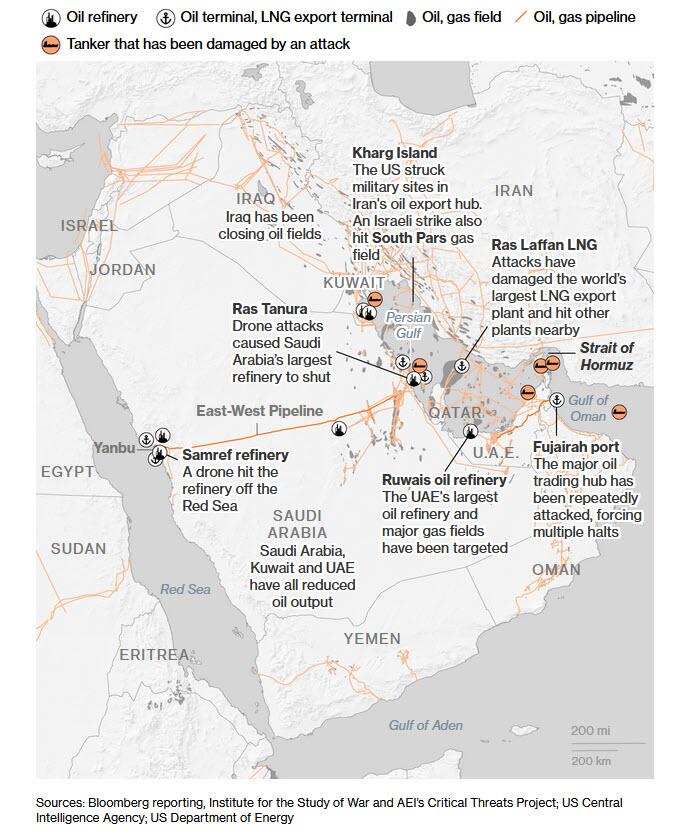
Jebel Ali’s port, which handled 15.6 million 20-foot containers last year, is located southwest of central Dubai, toward Abu Dhabi, and was battered over the last several months when Iran closed the strait, sending containerized volume down nearly 95%. That shipping shock, according to an FT source, was enough for DP’s executives to begin looking for alternative routes.
Here’s more from the report:
DP World was now discussing a term sheet with government officials, with the new project’s structure and financing yet to be finalised, the people said. The new port could be completed as soon as within a year and a half, a senior company official said.
The Jebel Ali Port is DP’s crown jewel, the largest port and the anchor of the Jafza free zone, which hosts about 12,000 companies.
“Jebel Ali will continue to be Jebel Ali,” a senior DP official told the FT. “It will never be downsized.”
“We do have our own plan, and we’ve been very active in terms of looking at the eastern coast as far as DP World is concerned,” the senior official said. “It’s defensive in case things go wrong,” the senior DP official continued.
Shifting part of the port’s capacity outside Dubai is a seismic change but not surprising given that UAE’s Minister of Foreign Trade Thani Al Zeyoudi recently told Bloomberg in an exclusive interview, “We’re moving toward having zero Hormuz dependency and that’s regardless of whether it’s open or not. It’s going to open and we hope that will happen quickly, but we will not stop the new plan.”
The plan includes major investments in pipelines, rail, and road links from UAE ports in the Persian Gulf to Dibba, Fujairah, Khor Fakkan and at least one new harbor on the Gulf of Oman coast.
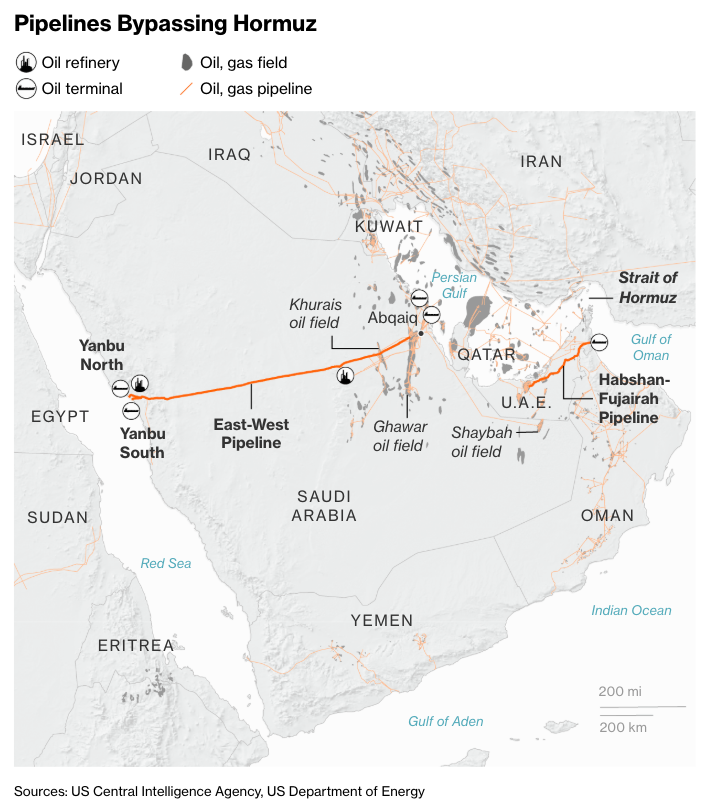
In the early months of the conflict, Saudi Arabia’s Hormuz-bypassing East-West pipeline was the prime example of being hedged for a Hormuz closure, able to shift 7 million barrels a day from Persian Gulf loading terminals to those at Yanbu on the Red Sea.
Related:
With US-aligned Gulf states in the process of shifting critical energy and container supply chains away from the Hormuz area, this will only accelerate the erosion of Tehran’s geopolitical leverage over the chokepoint.
… and now with President Trump reinstating the Hormuz blockade…
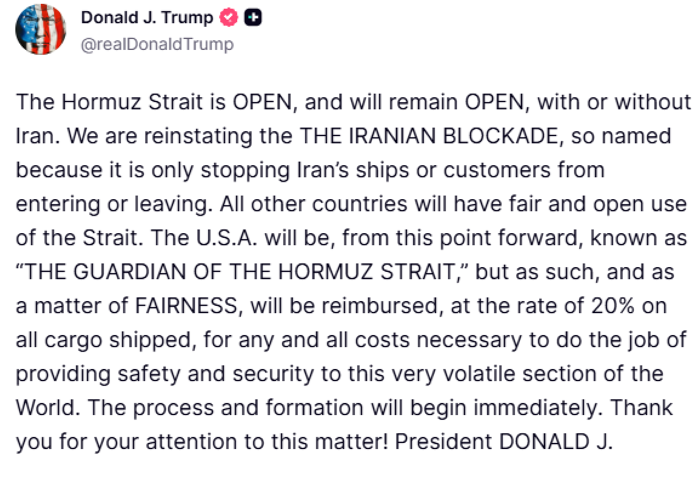
… this will only supercharge the bypass theme.
Tyler Durden
Mon, 07/13/2026 – 13:45
via ZeroHedge News https://ift.tt/gnT9cx6 Tyler Durden