Sen. Cruz Says GM Pushed The China Car Ban Provision That Would Also Knock Out Mercedes-Benz
The Senate Commerce Committee advanced the bill unanimously. Its chairman voted yes and then accused a Detroit automaker of writing part of it to remove a German competitor.
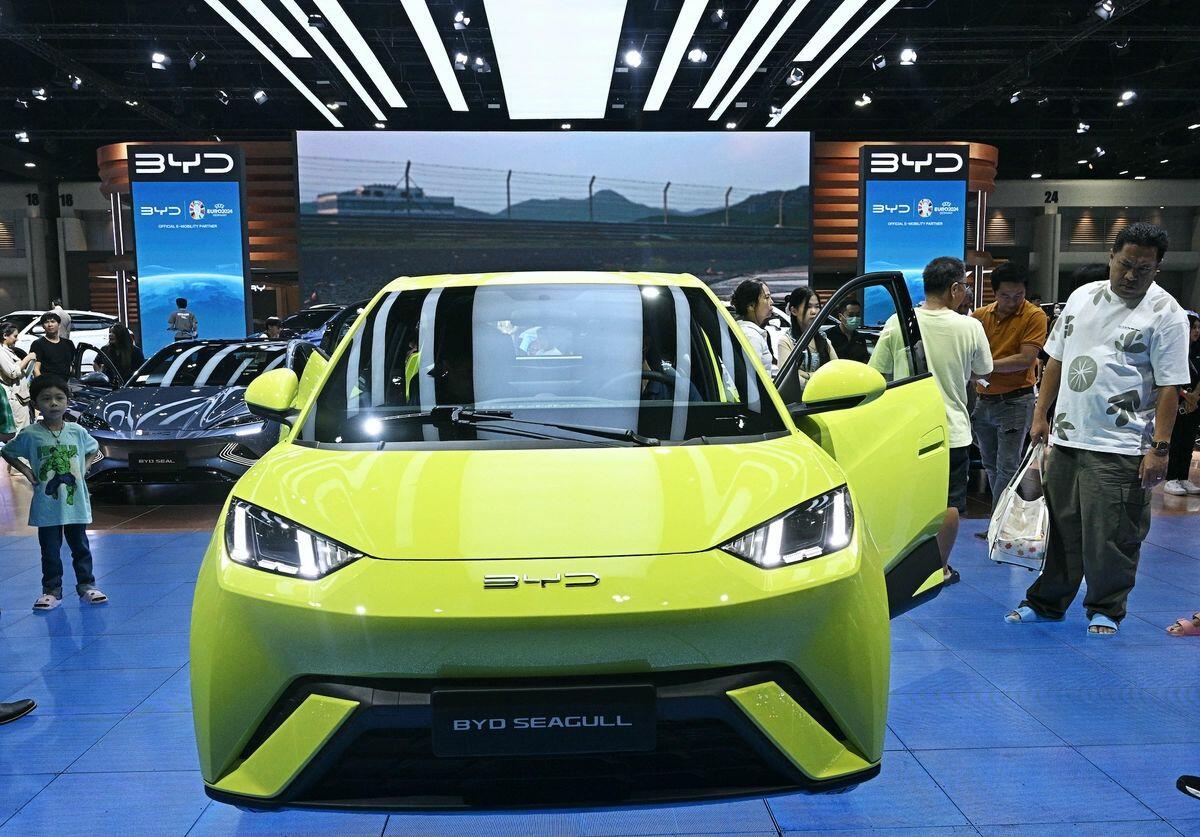
The Senate Commerce Committee unanimously advanced the Connected Vehicle Security Act of 2026 on July 22, codifying into law a Biden-era executive order that barred Chinese and Russian automakers from selling passenger vehicles in the United States. The bill is sponsored by Sens. Bernie Moreno (R-OH) and Elissa Slotkin (D-MI), a Republican and a Democrat from two states that build cars. The vote was bipartisan and the margin was total, while the disagreement was about who benefits.
Committee chairman Ted Cruz (R-TX), who supports the bill, told the hearing that General Motors had been pushing for one of its ownership provisions in order to get Mercedes-Benz out of the American market and make its own Cadillac brand more competitive. He said flatly that “we would never consider” banning Mercedes-Benz sales in the United States, and that he would push to change the provision.
GM disputes the characterization. The company said the legislation isn’t about any individual automaker and that it “supports policies that protect and strengthen American manufacturing and the global competitiveness of U.S. automakers.” Cruz’s account is his reading of GM’s lobbying, not an established finding.
How A German Carmaker Ends Up In A China Bill
The provision at issue is an ownership test. As reported out of committee, the bill reaches not only companies “owned by, controlled by, or subject to the jurisdiction or direction” of a US adversary, but companies partially exposed to one – with a 15 percent threshold for vehicle manufacturers and 25 percent for software and hardware firms.
Mercedes-Benz carries roughly 20 percent passive Chinese investment. That is a minority financial stake, not operational control, and the company is accused of nothing. It clears the threshold anyway.
Moreno answered that Mercedes would have until 2030 to comply and could seek waivers from the ownership requirement. He also pointed to Detroit’s own adjustments: GM plans to move production of its Chinese-made Buick Envision to the United States for the 2028 model year, and Ford has agreed to move Chinese-made Lincolns stateside.
One more supply chain is being redrawn. Moreno said Google’s self-driving unit Waymo, which had been in talks with Chinese automaker Geely about sourcing platforms from China, “has committed to looking at a Detroit-based manufacturer for their future platforms.”
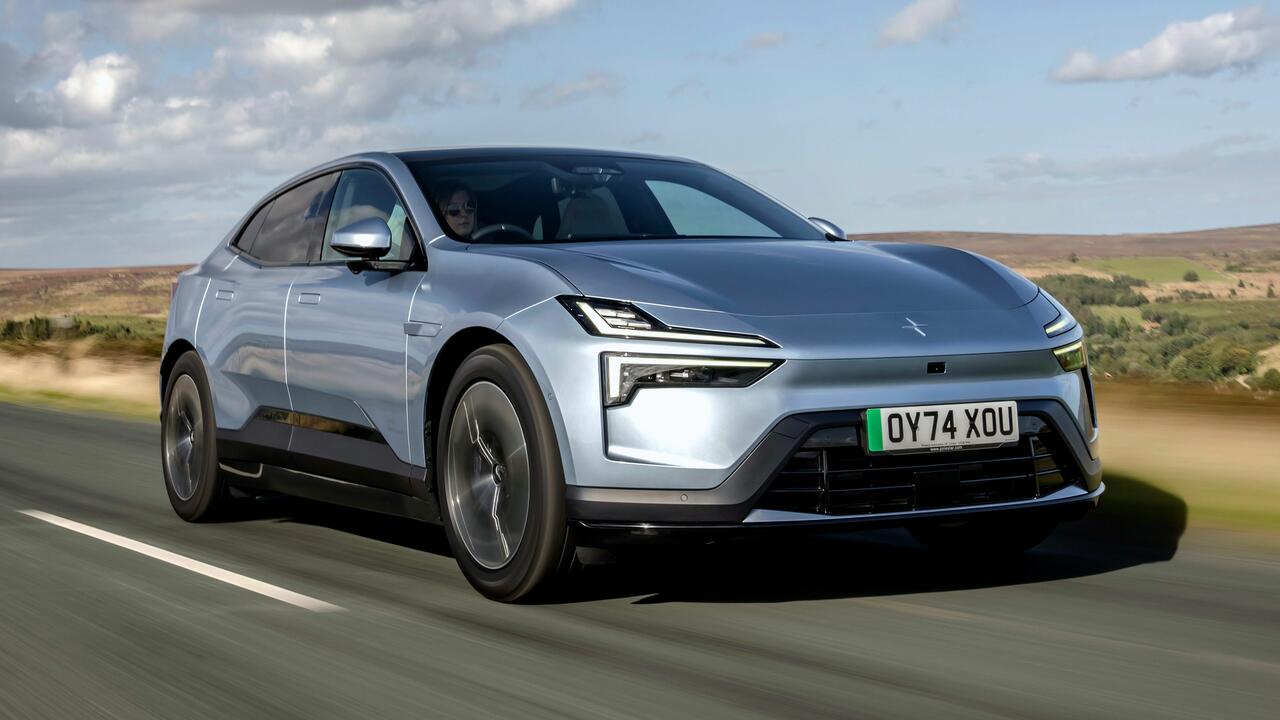
Polestar said last month that the administration is forcing it to stop selling vehicles in the United States from the 2027 model year. The company is based in Sweden and majority-owned by China’s Geely Holding.
Its sister brand Volvo Cars – which co-founded Polestar and shares the same ultimate owner – said in May it received authorization to keep selling in the United States, though it must still meet the rule’s requirements. Same parent, opposite outcomes, which is roughly what an ownership-percentage regime is designed to produce and also why the percentages are being fought over.
What The Bill Is For
The stated rationale is concerns over data and control. Connected vehicles – and almost every new vehicle is one – carry Bluetooth, Wi-Fi, cellular, and in some cases satellite links, any of which could in principle expose driver information or vehicle systems to a foreign adversary. The bill extends the existing ban beyond China and Russia to Iran and North Korea, removes light-vehicle weight limits, and sets a minimum civil penalty of $1.5 million or five times transaction value per violation. Software restrictions bite in 2027, hardware around 2030.
Slotkin’s office says the legislation “closes the door on Chinese-origin vehicles, software, and key components at every stage” so that data gathered on American roads cannot be routed back to Beijing. Slotkin herself framed it in industrial terms: “The Chinese Communist Party’s playbook of heavily subsidizing their product and underselling the competition puts Michigan’s auto industry and millions of American workers at risk.” Moreno was blunter – “We’re preventing an absolute, total, and complete destruction of our industrial base.” Roughly 8 million Chinese-made vehicles enter the global market each year.
Tyler Durden
Thu, 07/23/2026 – 13:30
via ZeroHedge News https://ift.tt/3pvtdkE Tyler Durden