Iran Says No “Direct Or Indirect” Talks With US In High-States Vienna Nuclear Talks

Iran Says No “Direct Or Indirect” Talks With US In High-States Vienna Nuclear Talks

Just a day ahead of Tuesday’s much anticipated meeting among signatories to the 2015 JCPOA nuclear deal in Vienna, Iran is attempting to put some distance between itself and earlier widespread reporting that it will hold talks with the United States.

Deputy Foreign Minister for Political Affairs Abbas Araghchi told a state media outlet Sunday “We will not have any direct or indirect talks with the United States in Vienna.”

Essentially this is the Iranian side emphasizing that US negotiators won’t be allowed in the same room and the talks among the UK, France, Germany, Iran, Russia and China proceed. The American delegation will – perhaps somewhat humiliatingly in terms of the optics – be confined to the kids table, apparently. 

Talks in 2015, Anadolu Agency/Getty

As some officials are describing, it will be “some town but not same room”:

The European parties to the accord said they would have “separate” contacts in Vienna with the United States and Iran, which has already rejected a direct meeting with the US, with a European diplomat telling Reuters news agency that, “Iran and the US will be in the same town, but not the same room.”

Particularly the European JCPOA signatories present are expected to act as intermediaries communicating messages to the US team. 

The Iranian official, however, did offer a scenario in which there could be more direct dealings:

“In our opinion, there is only one step. All of the US sanctions which were reimposed after [President Donald] Trump’s withdrawal from the JCPOA, or which have been imposed recently, or have been relabelled, must be defined and the United States must remove them, then we will verify and return to our commitments,” Araghchi said.

Immediate sanctions relief has long been the chief Iranian demand, something which so far the Biden administration has not budged on, despite multiple promises on the campaign trail of a speedy return to the nuclear deal brokered by Obama and later in 2018 broken by Trump. 

In a Friday statement, US State Dept. spokesman Ned Price indicated Washington remains “open” to more direct dealings.

“These remain early days, and we don’t anticipate an immediate breakthrough as there will be difficult discussions ahead. But we believe this is a healthy step forward,” Price began.

“We do not anticipate presently that there will be direct talks between the United States and Iran through this process, though the United States remains open to them,” he added on a more cautious note.

Tyler Durden
Sun, 04/04/2021 – 09:55

via ZeroHedge News https://ift.tt/3fAuasa Tyler Durden

Italy Mandates COVID-19 Shots For All Its Healthcare Workers

Italy Mandates COVID-19 Shots For All Its Healthcare Workers

Authored by Tom Ozimek via The Epoch Times,

Italy’s government has announced that all health workers in the country must get a COVID-19 jab or face possible sanctions.

A decree on Wednesday—approved by Prime Minister Mario Draghi’s cabinet—says that health workers, including pharmacists, “are required to undergo vaccination,” with those who refuse facing potential suspension without pay, according to Reuters.

“The aim of the measure is to protect as much as possible both medical and paramedical staff and those who are in environments that may be more exposed to the risk of infection,” the Italian government said in a statement.

The move comes after the discovery of COVID-19 clusters in hospitals after staff refused to get shots, in a country noted for relatively high levels of vaccine hesitancy. A survey last fall found that nearly 40 percent of Italian respondents said they didn’t want to risk a COVID-19 jab.

Members of the medical staff wearing personal protective equipment (PPE) tend to a patient in the COVID-19 unit of the Bolognini hospital in Seriate, Bergamo, Italy, on March 12, 2021. (Miguel Medina/AFP via Getty Images)

In the United States, by comparison, a December 2020 survey by the Kaiser Family Foundation vaccine attitude tracking project showed that 27 percent of the general public were vaccine-hesitant, telling pollsters they would either definitely or probably not get a shot. A separate January Gallup poll showed that vaccine hesitancy is higher among U.S. healthcare workers and first responders than workers in all industries, which can serve as a proxy for the general population.

The Gallup survey showed that 34 percent of healthcare workers and first responders said they would not agree to get a shot, 49 percent said they would, while 18 percent were unsure. The percentage of workers in all industries expressing vaccine hesitancy stood at 27 percent, the same as the percentage of the general population polled by the Kaiser Foundation a month earlier.

Italy, where some 10 million vaccine doses have been administered since late December, has seen a resurgence in infections and deaths over the last month, prompting authorities to tighten restrictions.

The United States, which leads the world in COVID-19 vaccinations, recently surpassed 100 million administered doses, with the Centers for Disease Control and Prevention (CDC) announcing on April 1 a record 3.38 million shots in a single day.

But despite progress in vaccinations, new infections in the United States are on the rise, with the seven-day moving average of daily infections now over 79,000, up from around 53,000 earlier in March, according to Johns Hopkins data.

At a White House health briefing earlier this week, both President Joe Biden and the head of the CDC, Dr. Rochelle Walensky, voiced dire warnings that too many Americans were easing COVID-19 protocols.

Walensky said she had a feeling of “impending doom” at the rising cases of COVID-19, while Biden said if that continued, the United States could see a “fourth surge.”

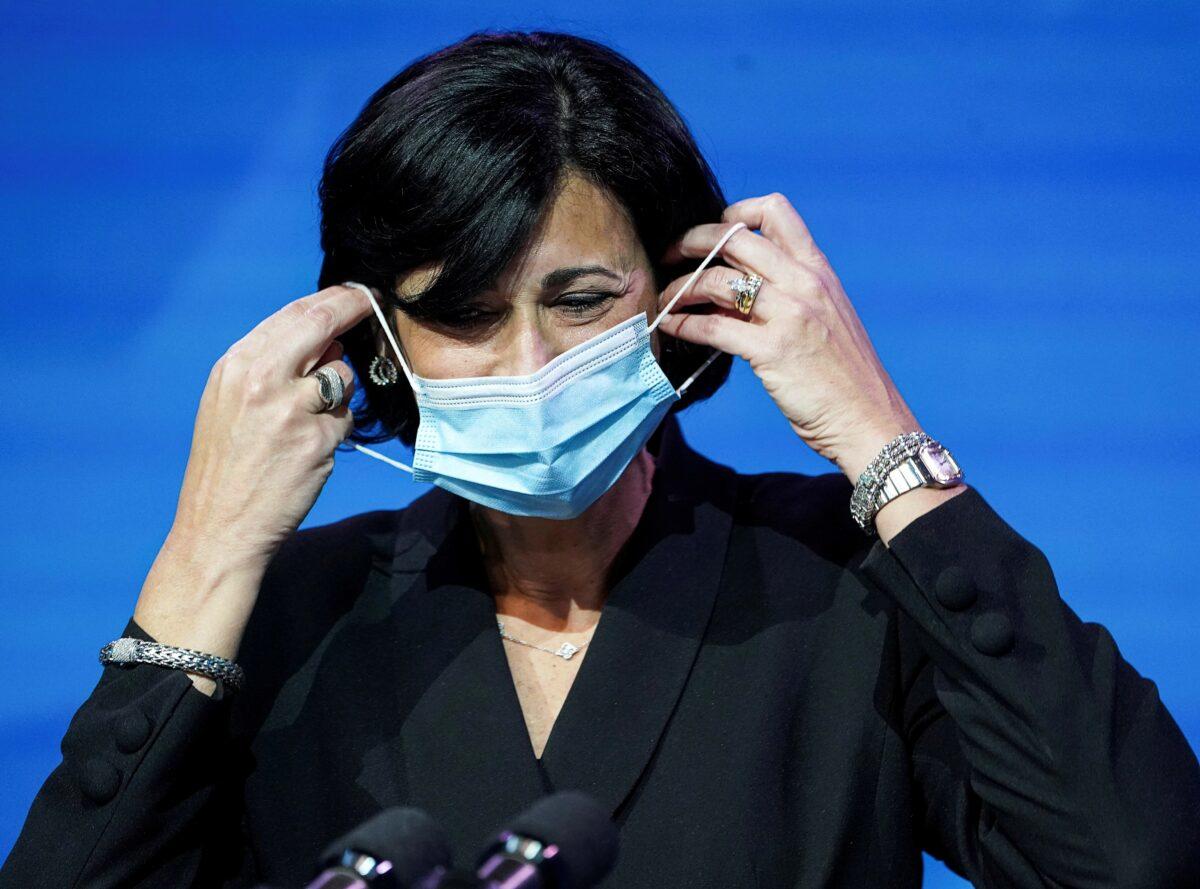
Dr. Rochelle Walensky, now the director of the Centers for Disease Control and Prevention (CDC), removes her mask to speak as Presidential Candidate Joe Biden announces nominees and appointees to serve on his health and CCP virus response teams during a news conference at his transition headquarters in Wilmington, Del., on Dec. 8, 2020. (Kevin Lamarque/Reuters)

To fight against COVID-19 “fatigue,” persuade people not to ease up on mitigation measures, and overcome vaccine hesitancy, the Biden administration has teamed up with influencers—including community, religious, and celebrity partners—to keep spreading the word.

Besides urging Americans to get a COVID-19 jab, the coalition of “trusted influencers”—which includes athletes, doctors, business people, and faith-based community leaders—will continue to promote the message that people shouldn’t let up with measures such as social distancing and mask-wearing.

Tyler Durden
Sun, 04/04/2021 – 09:20

via ZeroHedge News https://ift.tt/3cT5R7b Tyler Durden

“Brutal” Abuse Of Power: Watch As UK Police Break Up “Unlawful Gathering” Easter Service In London

“Brutal” Abuse Of Power: Watch As UK Police Break Up “Unlawful Gathering” Easter Service In London

Shocking footage has emerged showing the absurd lengths authorities are willing to go to enforce ‘Covid rules’ even after vaccines have been made more widely available, with tens of millions having received the jab. 

UK police invaded a church in southwest London during a Good Friday service and shut it down because “too many people” were in attendance. Local reports identified that clergy and congregants at Christ the King Roman Catholic Church in Balham, at what’s a predominantly Polish neighborhood church, were threatened with a fine equivalent to multiple hundreds of dollars, or possible arrest if they didn’t leave.

The police appeared to literally burst in mid-service and acknowledged it was among the most important Christian holy days of the year before ordering people to disperse.

“I appreciate that it is Good Friday, and you’d like to worship, but this gathering is unlawful,” an officer is heard announcing. 

The church is accusing Metropolitan police of “brutally exceeding their powers”:

A message posted on the church’s website on Saturday says: “On Good Friday, 2 April 2021, during the Liturgy of the Lord’s Passion, at the time of the Adoration of the Cross, the police arrived at the door of our church at around 6pm.

We were not allowed to finish the celebration. The police officers found our liturgical assembly illegal, ordering everyone to leave our temple immediately or face a £200 fine for each parishioner present, or even arrest.

The faithful obeyed this order without objection.

We believe, however, that the police brutally exceeded their powers by issuing their warrant for no good reason, as all government requirements were met.”

Here’s full video showing multiple officers disrespectfully milling about the altar area and sanctuary while threatening church-goers with arrest:

The past year has witnessed similar scenes in other churches and religious communities. It’s further no doubt sent UK churches and Christian communities on edge over the potential “breaking of Covid rules” as people exercise freedom of worship.

Metropolitan Police in addressing the Good Friday incident in Balham seemed to suggest there will be more such crackdowns to come:

“This was one of a series of numerous events taking place at the church over the Easter period. We are engaging with church authorities today and will continue to do so in the coming days,” a police statement said.

Describing the incident, the Metropolitan Police said, “At around 1700hrs on Friday, 2 April, officers were called to a report of crowds of people queuing outside a church in Balham High Road.”

“Officers attended and found a large number of people inside the church. Some people were not wearing masks and those present were clearly not socially distanced.” They expressed “concern” for transmission of the virus, despite the United Kingdom this past week making headlines for the positive development that it recently witnessed its second day in 2021 of zero reported deaths from COVID-19.

“We are particularly concerned about the risk of transmission of the Covid-19 virus as a result of large indoor gatherings at which people are not socially distanced and some are not wearing masks. As such, officers made the decision that it was not safe for that particular service to continue,” the police explained.

Meanwhile…

The incident unleashed a storm of anger online; however, headed into the first busy Easter weekend where in many places across Europe and the United States lockdowns have been relaxed, and people are eager to get back to “normal” – which includes being able to practice their faith in peace – there’s likely to be more confrontations with police and “Covid enforcers” to come.

Tyler Durden
Sun, 04/04/2021 – 08:45

via ZeroHedge News https://ift.tt/3sVu6XW Tyler Durden

Germany’s Political Crisis And The Future Of Nord Stream 2

Germany’s Political Crisis And The Future Of Nord Stream 2

Submitted by South Front,

In a Blinken of an Eye

The Biden Administration entered the White House accompanied by hopes that it would return to some kind of normal in its relations with the European Union. While Biden, unlike Obama, would not score a Nobel Peace Prize solely for his existence, his victory was warmly welcomed in capitals around Europe as a sign that liberalism would vanquish populism ushering in a new era of “business as usual” in the form it was practiced during the Obama Administration.

Once in office, however, the Biden Administration has been working overtime in order to dispel any notion of a relationship of mutual respect between two more or less equal allies, US and EU. Instead, Biden officials have acted as if US and EU are a contemporary version of the Austro-Hungarian Empire, two countries with ostensibly separate political systems linked by a personal union in the form of the Emperor (Biden), held together by a common army (NATO) whose main task is preventing any separatism by “Hungary” (the EU) and whose foreign policy is made wholly in “Austria” (United States). Events like Brexit merely represent a part of the empire moving from “Hungary” to “Austria” for a variety of cultural and racial reasons. In practice it meant that, in addition to Biden replying affirmatively to a court journalist’s question whether Vladimir was a “killer” and Blinken provoking a major row with a Chinese delegation by informing them the US intended to deal with China from a “position of strength”, Blinken also issued a blunt warning to European companies working on Nord Stream 2 could be subject to US sanctions if they did not immediately withdraw from the project.

To make matters worse, at the EU summit Blinken pointed out that his threats aimed at Nord Stream 2 are a reflection of US Congress laws demanding any and all firms participating in its construction to be sanctioned, though omitting that the Executive Branch has considerable freedom of action in implementing legislation impinging on the presidential foreign policy prerogatives.

It does not appear as if Blinken’s “shock and awe” show on three continents has had the desired results. Germany’s Foreign Ministry pointedly refused to endorse Biden’s characterization of Vladimir Putin as a “killer”, in contrast to several other European countries traditionally adhering to an anti-Russia stance. Moreover, there is no evidence that German companies are about to drop their work on Nord Stream 2. Doing so would be a fatal blow to Germany’s position as the leading EU member state and would introduce a greater degree of chaos into EU power struggles. Factors putting a certain degree of steel into Germany’s spine is the apparent realization that, emboldened by the effectiveness of a mere threat of sanctions against Germany, the US State Department will grow accustomed to using that instrument on a routine basis with Germany and other members of the EU. United States’ apparent desire to denigrate Germany’s international status seems to have led to a few other snubs, such as the failure to invite it to a high-level meeting on Afghanistan that Russia, China, and even Turkey will attend.

Germany’s Green Hell

If the United States has an ace in a hole that might yet reverse the decline of its fortunes, it is the gradual ascendancy of Germany’s Green Party. German and indeed international public opinion have come a long way from the heady days of Spring 2020, when Angela Merkel was roundly hailed as the “scientist” whose combination of empirical astuteness and political savvy would bring COVID-19 to heel, in stark contrast to the ignorant fools that Boris Johnson and Donald Trump were supposed to be. Back in May or June 2020, it certainly did not appear as if anything could threaten Merkel’s political fortunes. Yet it is Merkel who is now facing calls for a Bundestag vote of confidence. The botched pandemic response, the puzzling back-and-forth of lockdowns, relaxations, then new lockdowns, and a number of corruption scandals associated with pandemic response contracts that implicated a number of CDU/CSU deputies, have undermined the public’s confidence in the ruling party and its leadership. It certainly did not help matters that the EU official most closely associated with the botched vaccine procurement at the Union level is the President of the European Commission Ursula van der Leyen who previously occupied several ministerial posts, including that of Defense, in the various Merkel governments.

It is therefore unsurprising that Germany is potentially facing a major electoral upheaval that threatens to significantly rearrange the country’s political landscape. As of March 27, 2021, a Kantar opinion poll attempting to ascertain the level of support each of Germany’s parties might enjoy during this year’s Bundestag elections showed CDU/CSU still in the lead with potentially 25% of the vote, with the Greens in close second at 23%. The other political parties posted notably weaker figures. The once-dominant SPD scored only 17%, Alternative for Germany (AfD) and FDP 10% apiece, Die Linke 9%, with 6% distributed among the remaining parties. Other German opinion polls delivered roughly similar results, varying only by a couple percentage points.

Its rise is driven by several factors, including the exhaustion with the ruling CDU/CSU coalition, the SPD suffering from the abandonment of its leftist principles in favor of Blair/Clinton-like “third way” neoliberal policies, Die Linke still lingering under a cloud of suspicion due to its German Democratic Republic ancestry, and of course the Alternative for Germany attracting unwanted attention from Germany’s own “Deep State” which, like its US and British counterparts, is playing an increasingly active role in the country’s politics.

Gruen Nach Osten

That the Greens’ coming to power is bound to result in Germany becoming more militaristic and interventionist on the world stage is also suggested by the curious case of Tareq Alaows, a Syrian man born in Damascus who came to Germany in 2015 and, only six years later, was declared a Bundestag candidate from the Green Party already as a German citizen. Given that the rest of the 1.5 million refugees who arrived in Germany at roughly the same time are still not German citizens and are likely never to become them, Alaows’ rapid elevation suggest that the Greens have friends within Germany’s “deep state”, and are interested in following US and British lead in “weaponizing” social issues such as gender rights, environmentalism, and other issues in order to justify aggression against countries deemed insufficiently dedicated to what the West claims to be “universal values”. They would not be Europe’s first “Green” party to go neo-conservative. Sweden’s Greens have likewise inducted many Islamists into their ranks in order to press for greater foreign interventionism. Moreover, since Germany’s Green Party is a relatively recent invention and is therefore not associated with Germany’s earlier military aggressions (and here one should note that even the SPD was staunchly supportive of Germany’s aggression in World War I, and likely would have been in World War II had it not been banned by the Nazis),  they are the most logical front for Germany’s neo-cons.

One can readily imagine empowered Greens declaring Germany has a sacred mission to rid the world of coal, oil, and natural gas as sources of energy which naturally means a confrontation with China and Russia in order to install governments in those countries that naturally share the Greens’ priorities and incidentally also enact policies highly favorable to German business interests. While the Green Party began its existence as a radical party of the Left, by the end of the Cold War it began to reinvent itself along neo-conservative lines. Its support for NATO’s wars against Yugoslavia and other military adventures, its peculiar interest in Aleksey Navalny who is not exactly known as an environmentalist, combined with strident opposition to Nord Stream 2, collectively make it very attractive to the Bidens and Blinkens of the world interested in making Germany a US client state. What remains to be seen is whether German and US “deep states” are capable of smoothing the Greens’ path into power, and whether the German people will accept the Green regime that is being prepared for them.

Tyler Durden
Sun, 04/04/2021 – 08:10

via ZeroHedge News https://ift.tt/3dBs0Wm Tyler Durden

The Last Pandemic


featurebailey

“We’re not ready for the next epidemic,” Microsoft founder Bill Gates cautioned in 2015. The next catastrophically deadly global event, he predicted, was “most likely to be a highly infectious virus rather than a war.”

In 2019, Johns Hopkins researchers issued an even more specific warning. In the article “Characteristics of Microbes Most Likely to Cause Pandemics and Global Catastrophes,” a team led by physician Amesh Adalja identified respiratory transmission as the “mechanism most likely to lead to pandemic spread.” They noted that “diseases that are contagious prior to symptom development” pose the greatest risk, especially if a significant proportion of the human population were “immunologically naïve to the agent,” and that the ability to latch onto common cellular receptors located throughout the human body would make such a pathogen highly infectious. Finally, they singled out RNA viruses emerging from an animal species as the “most probable” cause of such a pandemic.

In a September 2019 report, the Global Preparedness Monitoring Board convened by the World Health Organization (WHO) and the World Bank warned that “there is a very real threat of a rapidly moving, highly lethal pandemic of a respiratory pathogen killing 50 to 80 million people and wiping out nearly 5 percent of the world’s economy.” The authors added, “A global pandemic on that scale would be catastrophic, creating widespread havoc, instability and insecurity. The world is not prepared.”

These predictions proved horrifically correct: Gates identified the type of threat. The COVID-19 virus ticks every one of the boxes specified by the Johns Hopkins researchers for a microbe capable of causing a global catastrophic biological risk. And although COVID-19 deaths, fortunately, amount so far to only about 5 percent of the dire scenario sketched in the Global Preparedness Monitoring Board report, the World Bank estimates that the global economy did contract by 4.3 percent in 2020 as a result of the pandemic.

“This will not be the last pandemic, nor the last global health emergency,” declared WHO Director-General Tedros Adhanom Ghebreyesus in a September 2020 report. A World in Disorder estimated that the world’s governments had already spent $11 trillion (of often borrowed money) in response to the COVID-19 pandemic, which has so far resulted in 115 million diagnosed cases and 2.6 million deaths.

But take heart: There are good reasons to believe that the WHO director-general is wrong. The greatly speeded-up biomedical innovation provoked by the current global scourge has provided future generations with tools to keep subsequent viral invasions at bay. These include fast new vaccine production platforms, the development of better diagnostic and disease surveillance monitoring, and progress in the rapid design of therapeutics.

Calibrating the role of governments in staving off future threats remains a challenge. But the horrors of the last year have spurred humanity to quickly develop an unprecedentedly flexible and powerful toolkit that may well make COVID-19 the last true pandemic.

Vaccines

“Hopefully in the not too distant future, in a year, year and a half, two years, we’ll have a vaccine,” said Centers for Disease Control and Prevention (CDC) Director Robert Redfield during congressional testimony on February 27, 2020. At a televised cabinet meeting on March 3, 2020, National Institute of Allergy and Infectious Diseases (NIAID) Director Anthony Fauci suggested that a “deployable” vaccine against the COVID-19 virus would be available in, “at the earliest, a year to a year and a half, no matter how fast you go.” At that point, just 100 Americans had been diagnosed with the illness and only nine had died of it.

Many considered this timeline bullish to the point of insanity. “When Dr. Fauci said 12 to 18 months, I thought that was ridiculously optimistic,” Paul A. Offit, co-inventor of the rotavirus vaccine, said a month later on CNN. “And I’m sure he did, too.” After all, the fastest vaccine developed at that point had been for mumps, and that took four years in the 1960s. An influential 2013 study in the journal PLOS One analyzing a database that included all vaccine projects in development from 1998 to 2009 found that “the average vaccine, taken from the preclinical phase, requires a development timeline of 10.71 years and has a market entry probability of 6 percent.”

As it happened, even the wild-eyed optimists were too pessimistic. The Food and Drug Administration (FDA) issued emergency use authorizations (EUAs) for the Pfizer/BioNTech and Moderna messenger ribonucleic acid (mRNA) COVID-19 vaccines on December 11 and 18, 2020, respectively.

In fact, researchers at Moderna had developed their vaccine by January 13, 2020—only two days after Chinese researchers had shared the genetic sequence of the COVID-19 virus. BioNTech launched its COVID-19 vaccine program by mid-January and signed up with Pfizer to manufacture it in mid-March. The first volunteer was injected with Moderna’s vaccine on March 16, 2020.

In other words, at the moment Fauci was being derided for being too optimistic about having one working vaccine in 12–18 months, researchers had already developed and were on the verge of launching clinical trials for two.

This previously unthinkably rapid timeline was possible because researchers weren’t just making new vaccines; they were making vaccines in a new way.

The vast majority of vaccines heretofore have been based on inactivated, weakened, or genetically modified viruses and bacteria. But mRNA vaccines are different, constituting what is essentially a plug-and-play platform technology.

The process involves creating a synthetic version of the mRNA that the coronavirus uses for the construction of the spike proteins that enable it to infect human cells. The injected mRNA tricks muscle cells in our arms into making some of the viral proteins that then induce the immune system to produce antibodies in response. Antibodies bind themselves onto attacking viruses, disabling them or marking them for death by other parts of the immune system, like the cell-devouring macrophages.

Since the cells in our bodies quickly degrade mRNA, the key to getting the vaccines to work was to encapsulate the fragile mRNA within tiny protective fat particles. The muscle cells absorb the fat particles, enabling the mRNA to deliver its instructions to the cellular machinery to make the viral proteins that prime the body’s immune system to fend off the real virus.

In fact, mRNA technology wasn’t quite new. Research had been plodding along for a couple of decades prior to 2020. Moderna was working on vaccines for the Zika and H7N9 bird flu viruses. BioNTech was primarily focused on using mRNA vaccines to treat various cancers. But the urgent need for a response to COVID-19 sent researchers scrambling for the right technology to apply, and reaching for this tool turned out to be a master stroke.

Now that the safety and efficacy of mRNA vaccines have been established, companies can within days assemble and install appropriate mRNA sequences from other pathogens into protective fat droplets to create new vaccines. More good news is that capabilities for producing mRNA vaccines have risen greatly as a result of pandemic manufacturing. In addition, the CDC suggests that future mRNA vaccine technology may allow for one vaccine to provide protection against multiple diseases, thus decreasing the number of shots needed for protection against common vaccine-preventable illnesses.

Viral vector vaccines are another plug-and-play development platform in which genes that would provoke an immune response, such as those for the COVID-19 spike proteins, are spliced into weakened, harmless versions of other viruses. The COVID-19 vaccines from Johnson & Johnson and AstraZeneca and Russia’s Sputnik V vaccine are based on inactivated cold viruses that had already been used to develop vaccines against HIV, Ebola, and Zika. The inactivated viruses enter human cells and deliver the genes for the COVID-19 spike protein, which the invaded cells then produce and which subsequently stimulate the body’s immune system.

In the future, these new vaccine manufacturing platforms could be used to rein in outbreaks by developing and deploying new vaccines in only three to four months. Florian Krammer, a medical researcher at the Icahn School of Medicine at Mount Sinai, outlines an overall strategy in which researchers would survey and select representative strains from the virus families most likely to cause new pandemics. These families include influenza viruses, pneumoviruses (respiratory syncytial virus), henipaviruses (Nipah and Hendra diseases), picornaviruses (polio and the common cold), and, of course, coronaviruses. Krammer suggests that 50–100 different viruses could be selected, broadly covering the virus families that are most likely to pose a major pandemic threat in the future.

Once the viruses have been selected, vaccines could be produced using the new platforms and then tested in small phase 1 and phase 2 safety and efficacy trials, which would involve around 1,000 volunteers total.

Krammer estimates that developing and testing the anticipatory vaccines for each of the selected candidate viruses would cost about $30 million. The overall cost would be somewhere between $1 billion and $3 billion. This is cheap compared to the vast economic havoc wreaked by the current pandemic, as well as compared to the cost of more traditional vaccine development.

If a new virus emerges to threaten humanity, the vaccine closest to the new strain would be selected and updated to match. Production could start immediately, and phase 3 trials to see if the vaccine prevents or ameliorates the infection could be initiated within a month.

In fact, this is happening during the current pandemic. Mutations that make COVID-19 more contagious have emerged in the United Kingdom, South Africa, and Brazil. While current versions of the vaccines remain somewhat effective against the new strains, companies are already nimbly updating their vaccines to counter the new mutations. Both Moderna and Pfizer/BioNTech have announced that they have already tweaked their vaccines to create booster shots to counter the South African COVID-19 variant.

Regulators in the U.S. have indicated that such reworked mRNA vaccines would not need to undergo full phase 3 trials involving thousands of people before being rolled out. On February 22, 2021, the FDA issued guidance for seeking approval of vaccines updated to address emerging COVID-19 variants. Boosted vaccines would be simply checked for safety and appropriate immune responses in volunteers. On a press call, the FDA’s vaccine chief, Peter Marks, suggested that trials for booster doses are “going to be on the order of a few hundred individuals in terms of size and we’d expect that that might take a few months.”

Krammer also proposes that rapid production capacity for at least 2 billion doses per year be maintained. As it happens, that goal is already being met. The Pfizer/BioNTech partnership plans to produce 2 billion doses this year; Moderna plans to produce 1 billion doses; AstraZeneca, Johnson & Johnson, and Novavax are building the manufacturing capacity to supply 3 billion, 1 billion, and 1 billion doses, respectively, of their COVID-19 vaccines in 2021.

Instead of waiting for newly identified outbreaks to circulate widely in human populations in order to conduct phase 3 efficacy trials—as manufacturers are currently required to do—regulators should approve vaccines if they are shown to induce specific immune biomarkers that are associated with protection against infection, such as a sufficiently high level of neutralizing antibodies in volunteers.

A final way to speed up vaccine testing would be to more permissively allow human challenge trials in which a few hundred fully informed volunteers would be deliberately exposed to a pathogen to evaluate a candidate vaccine’s effectiveness against it. Such trials sponsored by NIAID have been used to test influenza antivirals and vaccines in the past decade. In October, a human challenge trial involving up to 100 volunteers ages 18–30 that will seek to find the lowest dose of COVID-19 virus to cause infection was approved in the United Kingdom. An ethically acceptable framework for such trials should be devised now, so that they can be appropriately launched as soon as another potentially pandemic pathogen emerges.

The leaps in vaccine development that have emerged from the joint and separate efforts of pharmaceutical multinationals are truly remarkable. They undergird the optimism that future viral threats can be curbed before they reach pandemic levels.

Testing

“It took months to get enough testing capacity for COVID-19 in the United States. But it’s possible to build up diagnostics that can be deployed very quickly,” wrote Bill Gates in the annual letter that he and his wife Melinda Gates issued in January 2021. “By the next pandemic, I’m hopeful we’ll have what I call mega-diagnostic platforms, which could test as much as 20 percent of the global population every week.”

As it happens, German researchers released a diagnostic test just six days after the genome for COVID-19 was posted online. However, the CDC forbade researchers and companies from developing diagnostic COVID-19 testing in the U.S., insisting that all Americans wait to use the one that would be developed by that agency. As public outrage over the dearth of testing escalated, the FDA finally lifted its restrictions and allowed commercial and academic laboratories to test for the virus. But by the time the CDC relented at the end of February 2020, the coronavirus was spreading undetected throughout the country. The FDA has since approved more than 300 different diagnostic and serologic COVID-19 tests.

Unfortunately, the Trump administration resisted widespread testing, and excessively cautious regulators further stymied development and deployment. The FDA did not authorize the first at-home rapid-results nonprescription test, by the Australian company Ellume, until December 2020. At $30 per unit, the test is still too costly to be practical for most people and is not expected to become widely available until the second half of 2021. On March 1, 2021, the FDA approved the prescription use of Quidel’s simpler QuickVue At-Home COVID-19 Test, whose test strip provides results from a nasal swab in 10 minutes. That price has not yet been announced.

We know what testing tools are needed to help short-circuit the next pandemic, and researchers have made huge strides in developing them. Regulators and politicians alike took a shellacking for their failures to rapidly and responsively clear away barriers to the development and dissemination of cheap, readily available at-home tests. While some of the red tape has been dispatched, this is an area where continued vigilance will be necessary to hold on to those gains.

Numerous researchers, such as Harvard epidemiologist Michael Mina, have been arguing for a crash government program to develop and deploy cheap at-home antigen tests. Such tests would be similar to at-home paper strip pregnancy and HIV tests and would cost less than $5 per unit. These antigen tests work by detecting, within minutes, the presence of coronavirus proteins by using specific antibodies embedded on a paper test strip coated with nasal swab samples or saliva. The antigen tests change color or reveal lines if COVID-19 proteins are recognized.

Cheap at-home testing is a crucial tool to empower individuals to make good decisions at the micro level in the face of the next threat. The availability of such tests will enable Americans to test themselves frequently and then break the chains of infection by voluntarily isolating themselves from others if they test positive for a novel or dangerous virus.

Early Warning Systems

To stop potential pandemics before they get out of hand at the macro level, a reliable global warning system is needed—one that doesn’t rely on the existence of cooperative and transparent national health bureaucracies. China’s foot dragging when it came to sharing information about early infections in Wuhan, and its subsequent obfuscation on communicability and mortality from the virus, ended up delaying the global response, likely costing hundreds of thousands of lives. In the U.S., government data collection on COVID-19 in schools and other public spaces is still lagging, even as that question becomes increasingly pressing for policy makers.

Artificial intelligence (A.I.) systems monitoring the vast streams of publicly available data cascading around the world could play an important role in early identification and tracking of future outbreaks of novel pathogens. The Canadian A.I. startup BlueDot alerted its clients on December 30, 2019, to the anomalous pneumonia outbreak in Wuhan, China. The WHO would announce to the world an outbreak of “pneumonia of unknown cause” in Wuhan on January 5, 2020, and say that a novel coronavirus had been identified as the source of the infections on January 9, 2020.

BlueDot also correctly predicted the countries where the virus would next be detected. A.I. companies have developed tools based on machine learning and natural language processing technologies. BlueDot has devised different models and algorithms to scour data daily from sources including official public health databases, major global news outlets, 100,000 online articles in 65 languages, global airline ticketing data, and infectious disease alerts.

There will also soon be much more data available, which could be a powerful tool for identifying novel outbreaks—assuming protections for privacy and anonymity can be guaranteed. Commercial chip-based technologies such as VirScan, developed by researchers at the Howard Hughes Medical Institute, can analyze a single drop of a person’s blood to identify hundreds of thousands of antibodies and so test for current and past infections from any known human virus. Widespread and frequent antibody scans would identify the rise of different antibodies signaling that a new pathogen is now infecting people in a particular region. Diagnostic tools could also be optimized to detect antibodies to 50–100 potential pandemic pathogens chosen by researchers to allow for the early development of vaccines.

The development and deployment of automatic metagenomic testing in medical clinics across the globe could function as a mega-diagnostic platform for the early detection of new pathogens. “Clinical metagenomics is the application of sequencing all genes in a single clinical sample without the need for isolation or lab cultivation,” explained Oxford University genetics researcher Kumeren Govender in a January 2021 article in the Journal of Clinical Microbiology. “These sequences are then bioinformatically classified using a comprehensive database of known microorganism DNA, producing phylogenetic matches to the most closely related genus and species.” Ideally, local physicians treating patients with respiratory symptoms, for example, would be able to inject nasal and throat samples into a nanopore gene sequencing machine. The nanopore machine would read off all of the genes in the samples, which could then be compared to an online library of genetic sequences of known respiratory pathogens, leading to a suggested diagnosis.

Unknown sequences would be compared to their closest matches in the online database, possibly signaling the outbreak of a new pathogen that had crossed over into humans from other animal species. Routine laboratory testing today may fail to detect as much as 89 percent of respiratory pathogens, so the widespread deployment of clinical metagenomic testing would benefit individual patients with more precise diagnoses as well as provide useful public health information. The results from clinical metagenomic testing could be monitored by public health authorities in much the same way that the CDC’s influenza surveillance system collects and aggregates diagnostic data for that illness from state and local health departments, public health and clinical laboratories, vital statistics offices, health care providers, clinics, and emergency departments now.

“As surveillance networks and rapid diagnostic platforms such as nanopore sequencing are deployed globally, it will be possible to detect and contain infectious outbreaks at a much earlier stage, saving lives and lowering costs,” predicted University of California, San Francisco medical researchers Charles Chiu and Steve Miller in a 2019 Nature Reviews Genetics article on clinical metagenomics.

There are other promising pathogen surveillance techniques as well, including the development of microfluidic chips such as combinatorial arrayed reactions for multiplexed evaluation of nucleic acids (CARMEN). The smartphone-sized CARMEN chip functions as a miniature laboratory, using modifications to CRISPR genome editing technologies to identify the genes from a huge variety of viruses in clinical samples and lighting up when they are found. In the future, CARMEN chips specifically designed to test thousands of samples from selected populations and symptomatic patients could be quickly deployed to regions where outbreaks are suspected.

All of these data will derive from people who know they’re being tested and give consent, similar to the way standard medical labs operate today. When deployed correctly, such systems will be a net gain for privacy and civil liberties, compared to the intrusive measures that tend to be put into effect after a pandemic is well underway.

Treatments

Even the fastest vaccine development and the best testing and tracking may not be enough to forestall every infection or local outbreak; effective treatments must also be available. The COVID-19 pandemic has offered crucial insights into what works and what is needed to aggressively manage the next viral outbreak to reduce mortality.

The most pressing question: Why were there no broad-spectrum antiviral medications available to fight COVID-19? After all, there are lots of fairly broad-spectrum antibiotics available to attack invading disease-causing bacteria, including penicillin, doxycycline, amoxicillin, azithromycin, and tetracycline.

One key reason for the disparity is that bacterial cells are quite different from human cells, so they can be targeted without significantly harming our bodies. In contrast, viruses invade our cells and hijack their machinery to replicate themselves. Targeting this replication process would involve interfering with the operations of our own cells, which is likely to be toxic to the infected person as well.

All bacteria have double-stranded DNA genomes. In contrast, some viruses’ genomes consist of a single strand of RNA, such as those responsible for hepatitis C and COVID-19. Others are double-stranded DNA viruses that cause illnesses ranging from smallpox and chickenpox to the common cold. And then there are single-stranded RNA viruses that transcribe their genomes into double-stranded DNA, of which HIV is one example. There are also a huge number of different viruses. Researchers at the Global Virome Project estimate that more than 1.6 million yet-to-be-discovered viral species circulate among the world’s mammal and bird populations and that about half may have the capacity to infect and cause disease in humans.

The prevailing development paradigm is “one virus, one anti-viral,” with the result being that most current antiviral medications target very specific viruses, explained Johns Hopkins’ Adalja and co-author Thomas Inglesby in a June 2019 article in Expert Review of Anti-Infective Therapy. “The paucity of true broad-spectrum antiviral agents leaves a major chasm in preparedness for viral infectious disease emergencies.” The advent of the current pandemic six months later showed just how wide that chasm is.

One stopgap measure they recommended is to repurpose off-the-shelf antivirals in response to emerging viral threats. The FDA’s emergency use authorization allowing the Ebola antiviral remdesivir to be given to hospitalized COVID-19 patients is an example of such repurposing. Clinical trials showed that remdesivir is far from a silver-bullet COVID-19 treatment, but it does shorten the recovery time by a few days.

In light of the dearth of broad-spectrum antivirals, Adalja and Inglesby also recommended the complementary “pursuit of targeted therapies such as monoclonal antibodies,” noting that such treatments had been successful against infections caused by the Ebola, Hendra, and Nipah viruses.

The COVID-19 outbreak did substantially rev up monoclonal antibody (mAb) research and development. Naturally produced antibodies are an immune response that protects against infections by binding to pathogens in order to prevent them from entering or damaging cells and by coating them to attract white blood cells to engulf and digest them. Man-made mAbs are proteins that act like human antibodies in the immune system.

In an April 2020 article in Nature Biotechnology, Vir Biotechnology bioengineer Brian Kelley argued for cutting at “pandemic pace” the time to go from suitable mAb identification to phase 1 clinical trials from 12 to six months.

The pace of development of mAbs has increased with astonishing rapidity in the last year. There are around 40 clinical trials seeking to test mAbs as treatments against COVID-19. The Canadian company AbCellera Biologics used its rapid pandemic response platform, developed under the U.S. Defense Advanced Research Projects Agency’s Pandemic Prevention Platform program, to screen over 5 million immune cells in a blood sample from one of the first U.S. patients who recovered from COVID-19. AbCellera’s platform identified numerous candidate COVID-19 antibodies in less than a week in early March. The company then teamed up with pharmaceutical giant Eli Lilly and Co. to launch a phase 1 clinical trial on June 1. In other words, they cut even Kelley’s ambitious timeline in half. Their mAb therapy received an emergency use authorization from the FDA on November 9, 2020—that is, just eight months after it was first identified by AbCellera researchers.

Regeneron pursued a similarly speedy process to identify and produce its COVID-19 treatment. The company targets the virus using two different antibodies, which means that the virus would need two separate mutations to make the treatment ineffective. When President Donald Trump was infected with the coronavirus in October, he received infusions of Regeneron’s polyclonal COVID-19 antibody treatment. Regeneron received an EUA for its medication on November 23, 2020.

Both Regeneron’s and AbCellera/Eli Lilly’s mAbs were initially approved to treat mild to moderate COVID-19 and were supposed to be infused at least 10 days before symptom onset. Subsequent research found that using the AbCellera/Eli Lilly treatment as a preventative reduced the risk of contracting COVID-19 by up to 80 percent in a clinical trial involving nursing home residents. AbCellera is now collaborating with Vir Biotechnology and GlaxoSmithKline to make a polyclonal antibody cocktail.

The biotech startup Adagio Therapeutics announced in January 2021 that it has engineered what is essentially a broad-spectrum antibody that confers potent protection by targeting specific proteins common to a wide range of coronaviruses, including COVID-19 and SARS. The new antibody could be deployed almost immediately to treat and prevent future coronavirus outbreaks. In addition, the protein common to most coronaviruses identified by the Adagio researchers is “an attractive target for the rational design of ‘pan-SARS’ vaccines” in the future.

Adagio’s success suggests a potential strategy of engineering in advance similar broad-spectrum antibodies targeting other virus families that are likely sources for future pandemics.

Right now, mAb developers must spend a lot of time creating and nurturing cell lines to produce antibodies. Why not skip this step and instead inoculate people with the appropriate antibody mRNA so that their cells quickly churn out antibodies to stop infections before they take hold?

Moderna reported in September 2019 the results of a safety trial for its mRNA therapeutic encoded for a functional antibody protecting against the chikungunya virus. The intravenously administered mRNA therapeutic induced in just 24 hours the production of enough antibodies to prevent chikungunya infection. The antibodies remained effective against the virus for at least 16 weeks. Other researchers are currently working on mRNA-encoded antibodies to treat influenza, rabies, HIV, and Zika. Instead of the lengthy and complicated process of manufacturing antibodies in bioreactors, mRNA-encoded antibodies, like mRNA vaccines, are a potent and easily tweaked platform technology that induces human bodies to produce an almost immediate immune response to nearly any targeted pathogen.

The COVID-19 pandemic has made the public and policy makers acutely aware not only of the misery and mortality that novel pathogens directly causes but also of the economic and social damage that chaotic and heavy-handed responses to them wreak. The brilliant performance of the new preventative platform technologies should prompt regulatory authorities to rethink their old hypercautious approval standards for infectious disease therapies. For example, mRNA vaccines and encoded antibodies are plug-and-play—that is, developers can deliver precise instructions to get the body to produce whatever immune response is sought. Certainly, new treatments will be monitored for dose optimization and safety, but human challenge trials or checking directly for pertinent immune responses in patients should be able to replace expensive, extensive, and time-consuming phase 3 clinical trials.

The Role of Government

A major challenge to realizing humanity’s potential to prevent and control future pandemics will be correctly calibrating the role of the state. It may well be that specific targeted interventions could pay off handsomely and rectify potential market failures. But it is equally important for politicians and regulators to remove barriers to innovation and eliminate unnecessary barriers to market entry before the next crisis hits.

“All medical countermeasures for rare, catastrophic events face challenges in securing interest and investment from the private sector,” observes Stanford physician Jaspreet Pannu. “Pharmaceutical companies are often unwilling to develop medicines for rare events that risk destroying global economies and thus the very mechanism for return on investment.” In other words, who will pay in advance to devise medical treatments for pandemics that may never emerge?

To address this problem of a “market failure for pandemic drugs,” Pannu proposes “adopting innovation prizes with awards large enough to justify investments in broad-spectrum antiviral drugs” in her March 2020 Mercatus Center paper, “Running Ahead of Pandemics: Achieving In-Advance Antiviral Drugs.” How large? On the order of $1 billion for treatments that are shown to successfully prevent transmission and stop disease progression for all strains of a certain viral family or even multiple viral families. Such prizes could also be used to incentivize the development of vaccines against pathogens with pandemic potential.

As Cato Institute fellow Thomas A. Firey observes in a November 2020 paper, governments have long addressed the related potential market failure of suboptimal research funding “by providing grants for scientific research and operating research centers, often making the results of this work available for public use.” For instance, the federal government appropriated more than $13 billion for Operation Warp Speed, a program to spur the rapid research, development, manufacture, and purchase of the COVID-19 vaccines discussed above, an approach generally hailed as a successful public-private partnership and one that combined some of the attributes of prizes with conventional subsidies.

The government also allocated $1.5 billion to the Rapid Acceleration of Diagnostics (RADx) initiative that aimed to optimize the efficiency and availability of COVID-19 tests. Unfortunately, the RADx program did not get any new diagnostic platforms to the massive scale needed to help control the pandemic, highlighting the difficulty of correctly targeting interventions.

In order to forestall future pandemics, it is essential that regulators and public health authorities eschew ponderous yearslong clinical trials for the new platform technology vaccines and therapeutics and get out of the way of commercial and academic laboratories that want to devise and quickly deploy diagnostic tests.

Bill Gates and the Johns Hopkins researchers were right to fear a catastrophic pandemic. But other prognosticators were less accurate. Me, for one: In 2005, I wrote that “as humanity’s biotechnical prowess increases, we may never suffer through another pandemic,” a prediction I doubled down on in January 2020. Unfortunately, I was wrong then. But the new biomedical tools that have been developed and the sense of urgency that has emerged in response to the COVID-19 contagion make me confident that next time around the techno-optimists will win out.

from Latest – Reason.com https://ift.tt/2QWo76O
via IFTTT

UK To Roll Out ‘Covid Passports’ For Sporting And Music Events 

UK To Roll Out ‘Covid Passports’ For Sporting And Music Events 

As we have reported numerous times, the reality of COVID-19 passports will become an individual’s ‘passport to life’ seems like a foregone conclusion. The UK intends to roll out “Covid passports” within weeks for high-profile sporting and music events. 

Those who are wealthy and/or fortunate enough to get their hands on the vaccine may be able to attend FA Cup semi-finals and final as well as the League Cup final in football and the World Snooker Championship, along with numerous music events, according to FT

Pilot tests for “coronavirus-free” mass events will require anyone entering the event to provide digital Covid certificates, including vaccination history or a recent test. The first trial run of the digital Covid passport for the mass gathering will begin this summer. 

The “digital certification app” will be found inside the National Health Service’s existing app used by patients to book doctor appointments and order prescriptions. COVID passports for mass gatherings may be announced as soon as this week, or early next week. 

Prime Minister Boris Johnson has already suggested health passports may be required for entry to pubs and restaurants. This means that citizens will have to produce “papers for the pub” — which could be included as part of recommendations in a report for combatting the spread of Covid, which is due out in May. 

Cabinet Office minister Michael Gove examined the legal and ethical issues around COVID passports for pubs, restaurants, and other mass gathering areas. 

COVID passport plans have already been met with fierce opposition from more than 70 members of Parliament across various political parties. 41 Tory backbenchers warned such requirements would erode civil liberties.

One Tory MP said the possible requirements for health passports are “disgusting.” 

None of this should be surprising to readers who have understood from our writings vaccination passports will be the new “golden ticket” for global travel, along with the travel and tourism industries and now other forms of mass gatherings such as sporting and music events. 

It’s not just European countries that are rolling out COVID passports. The US is already in the process of leveraging apps and smartphones to allow travelers to offer proof that they have been vaccinated or recently tested negative for COVID-19.

MSNBC’s Joe Scarborough, a frequent and early GOP critic of former President Trump, called any American who didn’t support vaccine passports “an idiot.” 

The thought is health passports could stimulate an economic recovery as countries prepare to relax public health measures. Still, the trade-off is that people must hand over more and more of their health credentials to governments and corporations. 

Tyler Durden
Sun, 04/04/2021 – 07:35

via ZeroHedge News https://ift.tt/3sO294c Tyler Durden

The Last Pandemic


featurebailey

“We’re not ready for the next epidemic,” Microsoft founder Bill Gates cautioned in 2015. The next catastrophically deadly global event, he predicted, was “most likely to be a highly infectious virus rather than a war.”

In 2019, Johns Hopkins researchers issued an even more specific warning. In the article “Characteristics of Microbes Most Likely to Cause Pandemics and Global Catastrophes,” a team led by physician Amesh Adalja identified respiratory transmission as the “mechanism most likely to lead to pandemic spread.” They noted that “diseases that are contagious prior to symptom development” pose the greatest risk, especially if a significant proportion of the human population were “immunologically naïve to the agent,” and that the ability to latch onto common cellular receptors located throughout the human body would make such a pathogen highly infectious. Finally, they singled out RNA viruses emerging from an animal species as the “most probable” cause of such a pandemic.

In a September 2019 report, the Global Preparedness Monitoring Board convened by the World Health Organization (WHO) and the World Bank warned that “there is a very real threat of a rapidly moving, highly lethal pandemic of a respiratory pathogen killing 50 to 80 million people and wiping out nearly 5 percent of the world’s economy.” The authors added, “A global pandemic on that scale would be catastrophic, creating widespread havoc, instability and insecurity. The world is not prepared.”

These predictions proved horrifically correct: Gates identified the type of threat. The COVID-19 virus ticks every one of the boxes specified by the Johns Hopkins researchers for a microbe capable of causing a global catastrophic biological risk. And although COVID-19 deaths, fortunately, amount so far to only about 5 percent of the dire scenario sketched in the Global Preparedness Monitoring Board report, the World Bank estimates that the global economy did contract by 4.3 percent in 2020 as a result of the pandemic.

“This will not be the last pandemic, nor the last global health emergency,” declared WHO Director-General Tedros Adhanom Ghebreyesus in a September 2020 report. A World in Disorder estimated that the world’s governments had already spent $11 trillion (of often borrowed money) in response to the COVID-19 pandemic, which has so far resulted in 115 million diagnosed cases and 2.6 million deaths.

But take heart: There are good reasons to believe that the WHO director-general is wrong. The greatly speeded-up biomedical innovation provoked by the current global scourge has provided future generations with tools to keep subsequent viral invasions at bay. These include fast new vaccine production platforms, the development of better diagnostic and disease surveillance monitoring, and progress in the rapid design of therapeutics.

Calibrating the role of governments in staving off future threats remains a challenge. But the horrors of the last year have spurred humanity to quickly develop an unprecedentedly flexible and powerful toolkit that may well make COVID-19 the last true pandemic.

Vaccines

“Hopefully in the not too distant future, in a year, year and a half, two years, we’ll have a vaccine,” said Centers for Disease Control and Prevention (CDC) Director Robert Redfield during congressional testimony on February 27, 2020. At a televised cabinet meeting on March 3, 2020, National Institute of Allergy and Infectious Diseases (NIAID) Director Anthony Fauci suggested that a “deployable” vaccine against the COVID-19 virus would be available in, “at the earliest, a year to a year and a half, no matter how fast you go.” At that point, just 100 Americans had been diagnosed with the illness and only nine had died of it.

Many considered this timeline bullish to the point of insanity. “When Dr. Fauci said 12 to 18 months, I thought that was ridiculously optimistic,” Paul A. Offit, co-inventor of the rotavirus vaccine, said a month later on CNN. “And I’m sure he did, too.” After all, the fastest vaccine developed at that point had been for mumps, and that took four years in the 1960s. An influential 2013 study in the journal PLOS One analyzing a database that included all vaccine projects in development from 1998 to 2009 found that “the average vaccine, taken from the preclinical phase, requires a development timeline of 10.71 years and has a market entry probability of 6 percent.”

As it happened, even the wild-eyed optimists were too pessimistic. The Food and Drug Administration (FDA) issued emergency use authorizations (EUAs) for the Pfizer/BioNTech and Moderna messenger ribonucleic acid (mRNA) COVID-19 vaccines on December 11 and 18, 2020, respectively.

In fact, researchers at Moderna had developed their vaccine by January 13, 2020—only two days after Chinese researchers had shared the genetic sequence of the COVID-19 virus. BioNTech launched its COVID-19 vaccine program by mid-January and signed up with Pfizer to manufacture it in mid-March. The first volunteer was injected with Moderna’s vaccine on March 16, 2020.

In other words, at the moment Fauci was being derided for being too optimistic about having one working vaccine in 12–18 months, researchers had already developed and were on the verge of launching clinical trials for two.

This previously unthinkably rapid timeline was possible because researchers weren’t just making new vaccines; they were making vaccines in a new way.

The vast majority of vaccines heretofore have been based on inactivated, weakened, or genetically modified viruses and bacteria. But mRNA vaccines are different, constituting what is essentially a plug-and-play platform technology.

The process involves creating a synthetic version of the mRNA that the coronavirus uses for the construction of the spike proteins that enable it to infect human cells. The injected mRNA tricks muscle cells in our arms into making some of the viral proteins that then induce the immune system to produce antibodies in response. Antibodies bind themselves onto attacking viruses, disabling them or marking them for death by other parts of the immune system, like the cell-devouring macrophages.

Since the cells in our bodies quickly degrade mRNA, the key to getting the vaccines to work was to encapsulate the fragile mRNA within tiny protective fat particles. The muscle cells absorb the fat particles, enabling the mRNA to deliver its instructions to the cellular machinery to make the viral proteins that prime the body’s immune system to fend off the real virus.

In fact, mRNA technology wasn’t quite new. Research had been plodding along for a couple of decades prior to 2020. Moderna was working on vaccines for the Zika and H7N9 bird flu viruses. BioNTech was primarily focused on using mRNA vaccines to treat various cancers. But the urgent need for a response to COVID-19 sent researchers scrambling for the right technology to apply, and reaching for this tool turned out to be a master stroke.

Now that the safety and efficacy of mRNA vaccines have been established, companies can within days assemble and install appropriate mRNA sequences from other pathogens into protective fat droplets to create new vaccines. More good news is that capabilities for producing mRNA vaccines have risen greatly as a result of pandemic manufacturing. In addition, the CDC suggests that future mRNA vaccine technology may allow for one vaccine to provide protection against multiple diseases, thus decreasing the number of shots needed for protection against common vaccine-preventable illnesses.

Viral vector vaccines are another plug-and-play development platform in which genes that would provoke an immune response, such as those for the COVID-19 spike proteins, are spliced into weakened, harmless versions of other viruses. The COVID-19 vaccines from Johnson & Johnson and AstraZeneca and Russia’s Sputnik V vaccine are based on inactivated cold viruses that had already been used to develop vaccines against HIV, Ebola, and Zika. The inactivated viruses enter human cells and deliver the genes for the COVID-19 spike protein, which the invaded cells then produce and which subsequently stimulate the body’s immune system.

In the future, these new vaccine manufacturing platforms could be used to rein in outbreaks by developing and deploying new vaccines in only three to four months. Florian Krammer, a medical researcher at the Icahn School of Medicine at Mount Sinai, outlines an overall strategy in which researchers would survey and select representative strains from the virus families most likely to cause new pandemics. These families include influenza viruses, pneumoviruses (respiratory syncytial virus), henipaviruses (Nipah and Hendra diseases), picornaviruses (polio and the common cold), and, of course, coronaviruses. Krammer suggests that 50–100 different viruses could be selected, broadly covering the virus families that are most likely to pose a major pandemic threat in the future.

Once the viruses have been selected, vaccines could be produced using the new platforms and then tested in small phase 1 and phase 2 safety and efficacy trials, which would involve around 1,000 volunteers total.

Krammer estimates that developing and testing the anticipatory vaccines for each of the selected candidate viruses would cost about $30 million. The overall cost would be somewhere between $1 billion and $3 billion. This is cheap compared to the vast economic havoc wreaked by the current pandemic, as well as compared to the cost of more traditional vaccine development.

If a new virus emerges to threaten humanity, the vaccine closest to the new strain would be selected and updated to match. Production could start immediately, and phase 3 trials to see if the vaccine prevents or ameliorates the infection could be initiated within a month.

In fact, this is happening during the current pandemic. Mutations that make COVID-19 more contagious have emerged in the United Kingdom, South Africa, and Brazil. While current versions of the vaccines remain somewhat effective against the new strains, companies are already nimbly updating their vaccines to counter the new mutations. Both Moderna and Pfizer/BioNTech have announced that they have already tweaked their vaccines to create booster shots to counter the South African COVID-19 variant.

Regulators in the U.S. have indicated that such reworked mRNA vaccines would not need to undergo full phase 3 trials involving thousands of people before being rolled out. On February 22, 2021, the FDA issued guidance for seeking approval of vaccines updated to address emerging COVID-19 variants. Boosted vaccines would be simply checked for safety and appropriate immune responses in volunteers. On a press call, the FDA’s vaccine chief, Peter Marks, suggested that trials for booster doses are “going to be on the order of a few hundred individuals in terms of size and we’d expect that that might take a few months.”

Krammer also proposes that rapid production capacity for at least 2 billion doses per year be maintained. As it happens, that goal is already being met. The Pfizer/BioNTech partnership plans to produce 2 billion doses this year; Moderna plans to produce 1 billion doses; AstraZeneca, Johnson & Johnson, and Novavax are building the manufacturing capacity to supply 3 billion, 1 billion, and 1 billion doses, respectively, of their COVID-19 vaccines in 2021.

Instead of waiting for newly identified outbreaks to circulate widely in human populations in order to conduct phase 3 efficacy trials—as manufacturers are currently required to do—regulators should approve vaccines if they are shown to induce specific immune biomarkers that are associated with protection against infection, such as a sufficiently high level of neutralizing antibodies in volunteers.

A final way to speed up vaccine testing would be to more permissively allow human challenge trials in which a few hundred fully informed volunteers would be deliberately exposed to a pathogen to evaluate a candidate vaccine’s effectiveness against it. Such trials sponsored by NIAID have been used to test influenza antivirals and vaccines in the past decade. In October, a human challenge trial involving up to 100 volunteers ages 18–30 that will seek to find the lowest dose of COVID-19 virus to cause infection was approved in the United Kingdom. An ethically acceptable framework for such trials should be devised now, so that they can be appropriately launched as soon as another potentially pandemic pathogen emerges.

The leaps in vaccine development that have emerged from the joint and separate efforts of pharmaceutical multinationals are truly remarkable. They undergird the optimism that future viral threats can be curbed before they reach pandemic levels.

Testing

“It took months to get enough testing capacity for COVID-19 in the United States. But it’s possible to build up diagnostics that can be deployed very quickly,” wrote Bill Gates in the annual letter that he and his wife Melinda Gates issued in January 2021. “By the next pandemic, I’m hopeful we’ll have what I call mega-diagnostic platforms, which could test as much as 20 percent of the global population every week.”

As it happens, German researchers released a diagnostic test just six days after the genome for COVID-19 was posted online. However, the CDC forbade researchers and companies from developing diagnostic COVID-19 testing in the U.S., insisting that all Americans wait to use the one that would be developed by that agency. As public outrage over the dearth of testing escalated, the FDA finally lifted its restrictions and allowed commercial and academic laboratories to test for the virus. But by the time the CDC relented at the end of February 2020, the coronavirus was spreading undetected throughout the country. The FDA has since approved more than 300 different diagnostic and serologic COVID-19 tests.

Unfortunately, the Trump administration resisted widespread testing, and excessively cautious regulators further stymied development and deployment. The FDA did not authorize the first at-home rapid-results nonprescription test, by the Australian company Ellume, until December 2020. At $30 per unit, the test is still too costly to be practical for most people and is not expected to become widely available until the second half of 2021. On March 1, 2021, the FDA approved the prescription use of Quidel’s simpler QuickVue At-Home COVID-19 Test, whose test strip provides results from a nasal swab in 10 minutes. That price has not yet been announced.

We know what testing tools are needed to help short-circuit the next pandemic, and researchers have made huge strides in developing them. Regulators and politicians alike took a shellacking for their failures to rapidly and responsively clear away barriers to the development and dissemination of cheap, readily available at-home tests. While some of the red tape has been dispatched, this is an area where continued vigilance will be necessary to hold on to those gains.

Numerous researchers, such as Harvard epidemiologist Michael Mina, have been arguing for a crash government program to develop and deploy cheap at-home antigen tests. Such tests would be similar to at-home paper strip pregnancy and HIV tests and would cost less than $5 per unit. These antigen tests work by detecting, within minutes, the presence of coronavirus proteins by using specific antibodies embedded on a paper test strip coated with nasal swab samples or saliva. The antigen tests change color or reveal lines if COVID-19 proteins are recognized.

Cheap at-home testing is a crucial tool to empower individuals to make good decisions at the micro level in the face of the next threat. The availability of such tests will enable Americans to test themselves frequently and then break the chains of infection by voluntarily isolating themselves from others if they test positive for a novel or dangerous virus.

Early Warning Systems

To stop potential pandemics before they get out of hand at the macro level, a reliable global warning system is needed—one that doesn’t rely on the existence of cooperative and transparent national health bureaucracies. China’s foot dragging when it came to sharing information about early infections in Wuhan, and its subsequent obfuscation on communicability and mortality from the virus, ended up delaying the global response, likely costing hundreds of thousands of lives. In the U.S., government data collection on COVID-19 in schools and other public spaces is still lagging, even as that question becomes increasingly pressing for policy makers.

Artificial intelligence (A.I.) systems monitoring the vast streams of publicly available data cascading around the world could play an important role in early identification and tracking of future outbreaks of novel pathogens. The Canadian A.I. startup BlueDot alerted its clients on December 30, 2019, to the anomalous pneumonia outbreak in Wuhan, China. The WHO would announce to the world an outbreak of “pneumonia of unknown cause” in Wuhan on January 5, 2020, and say that a novel coronavirus had been identified as the source of the infections on January 9, 2020.

BlueDot also correctly predicted the countries where the virus would next be detected. A.I. companies have developed tools based on machine learning and natural language processing technologies. BlueDot has devised different models and algorithms to scour data daily from sources including official public health databases, major global news outlets, 100,000 online articles in 65 languages, global airline ticketing data, and infectious disease alerts.

There will also soon be much more data available, which could be a powerful tool for identifying novel outbreaks—assuming protections for privacy and anonymity can be guaranteed. Commercial chip-based technologies such as VirScan, developed by researchers at the Howard Hughes Medical Institute, can analyze a single drop of a person’s blood to identify hundreds of thousands of antibodies and so test for current and past infections from any known human virus. Widespread and frequent antibody scans would identify the rise of different antibodies signaling that a new pathogen is now infecting people in a particular region. Diagnostic tools could also be optimized to detect antibodies to 50–100 potential pandemic pathogens chosen by researchers to allow for the early development of vaccines.

The development and deployment of automatic metagenomic testing in medical clinics across the globe could function as a mega-diagnostic platform for the early detection of new pathogens. “Clinical metagenomics is the application of sequencing all genes in a single clinical sample without the need for isolation or lab cultivation,” explained Oxford University genetics researcher Kumeren Govender in a January 2021 article in the Journal of Clinical Microbiology. “These sequences are then bioinformatically classified using a comprehensive database of known microorganism DNA, producing phylogenetic matches to the most closely related genus and species.” Ideally, local physicians treating patients with respiratory symptoms, for example, would be able to inject nasal and throat samples into a nanopore gene sequencing machine. The nanopore machine would read off all of the genes in the samples, which could then be compared to an online library of genetic sequences of known respiratory pathogens, leading to a suggested diagnosis.

Unknown sequences would be compared to their closest matches in the online database, possibly signaling the outbreak of a new pathogen that had crossed over into humans from other animal species. Routine laboratory testing today may fail to detect as much as 89 percent of respiratory pathogens, so the widespread deployment of clinical metagenomic testing would benefit individual patients with more precise diagnoses as well as provide useful public health information. The results from clinical metagenomic testing could be monitored by public health authorities in much the same way that the CDC’s influenza surveillance system collects and aggregates diagnostic data for that illness from state and local health departments, public health and clinical laboratories, vital statistics offices, health care providers, clinics, and emergency departments now.

“As surveillance networks and rapid diagnostic platforms such as nanopore sequencing are deployed globally, it will be possible to detect and contain infectious outbreaks at a much earlier stage, saving lives and lowering costs,” predicted University of California, San Francisco medical researchers Charles Chiu and Steve Miller in a 2019 Nature Reviews Genetics article on clinical metagenomics.

There are other promising pathogen surveillance techniques as well, including the development of microfluidic chips such as combinatorial arrayed reactions for multiplexed evaluation of nucleic acids (CARMEN). The smartphone-sized CARMEN chip functions as a miniature laboratory, using modifications to CRISPR genome editing technologies to identify the genes from a huge variety of viruses in clinical samples and lighting up when they are found. In the future, CARMEN chips specifically designed to test thousands of samples from selected populations and symptomatic patients could be quickly deployed to regions where outbreaks are suspected.

All of these data will derive from people who know they’re being tested and give consent, similar to the way standard medical labs operate today. When deployed correctly, such systems will be a net gain for privacy and civil liberties, compared to the intrusive measures that tend to be put into effect after a pandemic is well underway.

Treatments

Even the fastest vaccine development and the best testing and tracking may not be enough to forestall every infection or local outbreak; effective treatments must also be available. The COVID-19 pandemic has offered crucial insights into what works and what is needed to aggressively manage the next viral outbreak to reduce mortality.

The most pressing question: Why were there no broad-spectrum antiviral medications available to fight COVID-19? After all, there are lots of fairly broad-spectrum antibiotics available to attack invading disease-causing bacteria, including penicillin, doxycycline, amoxicillin, azithromycin, and tetracycline.

One key reason for the disparity is that bacterial cells are quite different from human cells, so they can be targeted without significantly harming our bodies. In contrast, viruses invade our cells and hijack their machinery to replicate themselves. Targeting this replication process would involve interfering with the operations of our own cells, which is likely to be toxic to the infected person as well.

All bacteria have double-stranded DNA genomes. In contrast, some viruses’ genomes consist of a single strand of RNA, such as those responsible for hepatitis C and COVID-19. Others are double-stranded DNA viruses that cause illnesses ranging from smallpox and chickenpox to the common cold. And then there are single-stranded RNA viruses that transcribe their genomes into double-stranded DNA, of which HIV is one example. There are also a huge number of different viruses. Researchers at the Global Virome Project estimate that more than 1.6 million yet-to-be-discovered viral species circulate among the world’s mammal and bird populations and that about half may have the capacity to infect and cause disease in humans.

The prevailing development paradigm is “one virus, one anti-viral,” with the result being that most current antiviral medications target very specific viruses, explained Johns Hopkins’ Adalja and co-author Thomas Inglesby in a June 2019 article in Expert Review of Anti-Infective Therapy. “The paucity of true broad-spectrum antiviral agents leaves a major chasm in preparedness for viral infectious disease emergencies.” The advent of the current pandemic six months later showed just how wide that chasm is.

One stopgap measure they recommended is to repurpose off-the-shelf antivirals in response to emerging viral threats. The FDA’s emergency use authorization allowing the Ebola antiviral remdesivir to be given to hospitalized COVID-19 patients is an example of such repurposing. Clinical trials showed that remdesivir is far from a silver-bullet COVID-19 treatment, but it does shorten the recovery time by a few days.

In light of the dearth of broad-spectrum antivirals, Adalja and Inglesby also recommended the complementary “pursuit of targeted therapies such as monoclonal antibodies,” noting that such treatments had been successful against infections caused by the Ebola, Hendra, and Nipah viruses.

The COVID-19 outbreak did substantially rev up monoclonal antibody (mAb) research and development. Naturally produced antibodies are an immune response that protects against infections by binding to pathogens in order to prevent them from entering or damaging cells and by coating them to attract white blood cells to engulf and digest them. Man-made mAbs are proteins that act like human antibodies in the immune system.

In an April 2020 article in Nature Biotechnology, Vir Biotechnology bioengineer Brian Kelley argued for cutting at “pandemic pace” the time to go from suitable mAb identification to phase 1 clinical trials from 12 to six months.

The pace of development of mAbs has increased with astonishing rapidity in the last year. There are around 40 clinical trials seeking to test mAbs as treatments against COVID-19. The Canadian company AbCellera Biologics used its rapid pandemic response platform, developed under the U.S. Defense Advanced Research Projects Agency’s Pandemic Prevention Platform program, to screen over 5 million immune cells in a blood sample from one of the first U.S. patients who recovered from COVID-19. AbCellera’s platform identified numerous candidate COVID-19 antibodies in less than a week in early March. The company then teamed up with pharmaceutical giant Eli Lilly and Co. to launch a phase 1 clinical trial on June 1. In other words, they cut even Kelley’s ambitious timeline in half. Their mAb therapy received an emergency use authorization from the FDA on November 9, 2020—that is, just eight months after it was first identified by AbCellera researchers.

Regeneron pursued a similarly speedy process to identify and produce its COVID-19 treatment. The company targets the virus using two different antibodies, which means that the virus would need two separate mutations to make the treatment ineffective. When President Donald Trump was infected with the coronavirus in October, he received infusions of Regeneron’s polyclonal COVID-19 antibody treatment. Regeneron received an EUA for its medication on November 23, 2020.

Both Regeneron’s and AbCellera/Eli Lilly’s mAbs were initially approved to treat mild to moderate COVID-19 and were supposed to be infused at least 10 days before symptom onset. Subsequent research found that using the AbCellera/Eli Lilly treatment as a preventative reduced the risk of contracting COVID-19 by up to 80 percent in a clinical trial involving nursing home residents. AbCellera is now collaborating with Vir Biotechnology and GlaxoSmithKline to make a polyclonal antibody cocktail.

The biotech startup Adagio Therapeutics announced in January 2021 that it has engineered what is essentially a broad-spectrum antibody that confers potent protection by targeting specific proteins common to a wide range of coronaviruses, including COVID-19 and SARS. The new antibody could be deployed almost immediately to treat and prevent future coronavirus outbreaks. In addition, the protein common to most coronaviruses identified by the Adagio researchers is “an attractive target for the rational design of ‘pan-SARS’ vaccines” in the future.

Adagio’s success suggests a potential strategy of engineering in advance similar broad-spectrum antibodies targeting other virus families that are likely sources for future pandemics.

Right now, mAb developers must spend a lot of time creating and nurturing cell lines to produce antibodies. Why not skip this step and instead inoculate people with the appropriate antibody mRNA so that their cells quickly churn out antibodies to stop infections before they take hold?

Moderna reported in September 2019 the results of a safety trial for its mRNA therapeutic encoded for a functional antibody protecting against the chikungunya virus. The intravenously administered mRNA therapeutic induced in just 24 hours the production of enough antibodies to prevent chikungunya infection. The antibodies remained effective against the virus for at least 16 weeks. Other researchers are currently working on mRNA-encoded antibodies to treat influenza, rabies, HIV, and Zika. Instead of the lengthy and complicated process of manufacturing antibodies in bioreactors, mRNA-encoded antibodies, like mRNA vaccines, are a potent and easily tweaked platform technology that induces human bodies to produce an almost immediate immune response to nearly any targeted pathogen.

The COVID-19 pandemic has made the public and policy makers acutely aware not only of the misery and mortality that novel pathogens directly causes but also of the economic and social damage that chaotic and heavy-handed responses to them wreak. The brilliant performance of the new preventative platform technologies should prompt regulatory authorities to rethink their old hypercautious approval standards for infectious disease therapies. For example, mRNA vaccines and encoded antibodies are plug-and-play—that is, developers can deliver precise instructions to get the body to produce whatever immune response is sought. Certainly, new treatments will be monitored for dose optimization and safety, but human challenge trials or checking directly for pertinent immune responses in patients should be able to replace expensive, extensive, and time-consuming phase 3 clinical trials.

The Role of Government

A major challenge to realizing humanity’s potential to prevent and control future pandemics will be correctly calibrating the role of the state. It may well be that specific targeted interventions could pay off handsomely and rectify potential market failures. But it is equally important for politicians and regulators to remove barriers to innovation and eliminate unnecessary barriers to market entry before the next crisis hits.

“All medical countermeasures for rare, catastrophic events face challenges in securing interest and investment from the private sector,” observes Stanford physician Jaspreet Pannu. “Pharmaceutical companies are often unwilling to develop medicines for rare events that risk destroying global economies and thus the very mechanism for return on investment.” In other words, who will pay in advance to devise medical treatments for pandemics that may never emerge?

To address this problem of a “market failure for pandemic drugs,” Pannu proposes “adopting innovation prizes with awards large enough to justify investments in broad-spectrum antiviral drugs” in her March 2020 Mercatus Center paper, “Running Ahead of Pandemics: Achieving In-Advance Antiviral Drugs.” How large? On the order of $1 billion for treatments that are shown to successfully prevent transmission and stop disease progression for all strains of a certain viral family or even multiple viral families. Such prizes could also be used to incentivize the development of vaccines against pathogens with pandemic potential.

As Cato Institute fellow Thomas A. Firey observes in a November 2020 paper, governments have long addressed the related potential market failure of suboptimal research funding “by providing grants for scientific research and operating research centers, often making the results of this work available for public use.” For instance, the federal government appropriated more than $13 billion for Operation Warp Speed, a program to spur the rapid research, development, manufacture, and purchase of the COVID-19 vaccines discussed above, an approach generally hailed as a successful public-private partnership and one that combined some of the attributes of prizes with conventional subsidies.

The government also allocated $1.5 billion to the Rapid Acceleration of Diagnostics (RADx) initiative that aimed to optimize the efficiency and availability of COVID-19 tests. Unfortunately, the RADx program did not get any new diagnostic platforms to the massive scale needed to help control the pandemic, highlighting the difficulty of correctly targeting interventions.

In order to forestall future pandemics, it is essential that regulators and public health authorities eschew ponderous yearslong clinical trials for the new platform technology vaccines and therapeutics and get out of the way of commercial and academic laboratories that want to devise and quickly deploy diagnostic tests.

Bill Gates and the Johns Hopkins researchers were right to fear a catastrophic pandemic. But other prognosticators were less accurate. Me, for one: In 2005, I wrote that “as humanity’s biotechnical prowess increases, we may never suffer through another pandemic,” a prediction I doubled down on in January 2020. Unfortunately, I was wrong then. But the new biomedical tools that have been developed and the sense of urgency that has emerged in response to the COVID-19 contagion make me confident that next time around the techno-optimists will win out.

from Latest – Reason.com https://ift.tt/2QWo76O
via IFTTT
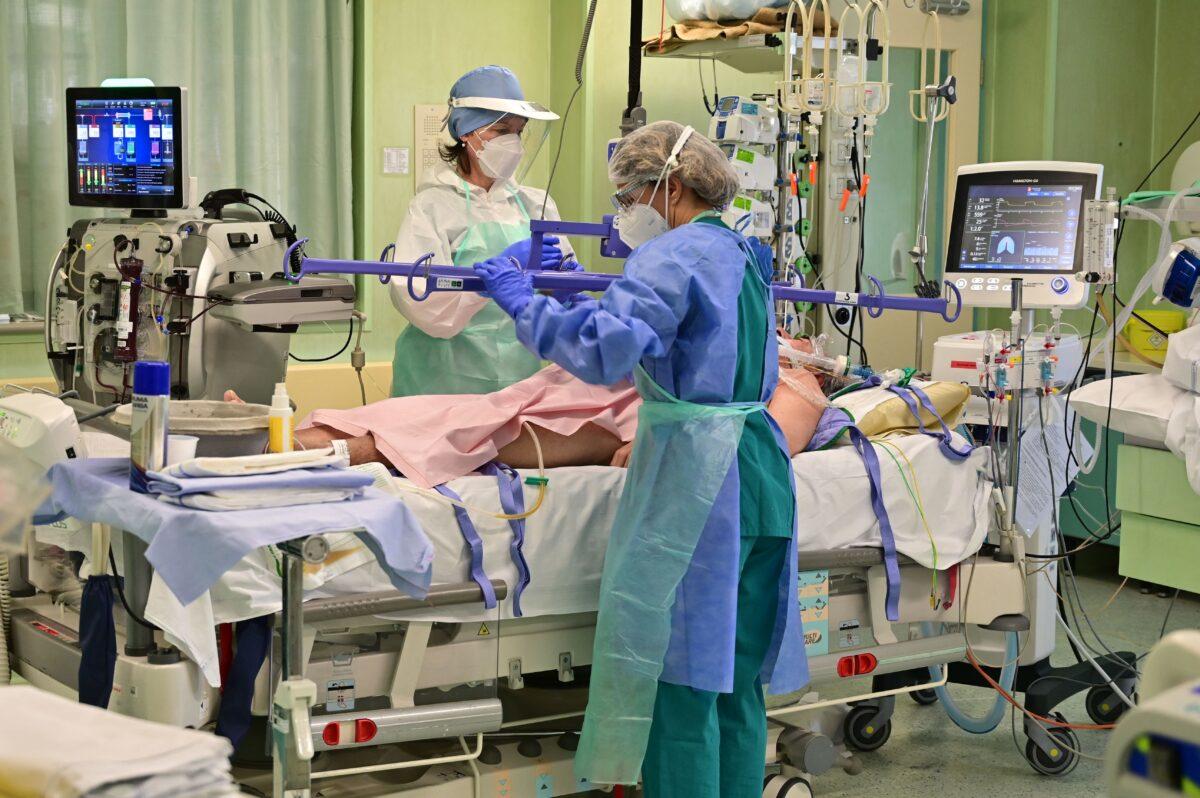
Spain Passes Law Mandating Face Masks Even While Swimming In The Sea

Spain Passes Law Mandating Face Masks Even While Swimming In The Sea

Authored by Paul Joseph Watson via Summit News,

Spain has passed a new law forcing people to wear face masks everywhere outside and even while swimming in the sea.

Yes, really.

The legislation, which came into effect on Wednesday, mandates face coverings for children as young as six, with refusniks facing fines of €100 euros.

The only exemption to the rule is adults playing sports outside, but people tanning outside or swimming in a pool or the ocean are still required to cover up.

“This will apply to people who are sunbathing or even swimming in the sea,” confirms the London Evening Standard.

The utter stupidity and real danger of having to wear a face mask while swimming in the sea goes without saying.

Having to wear a face covering while placing yourself in a situation where you have a heightened risk of encountering breathing difficulties is totally insane.

Thankfully, there has been a huge backlash to the law, which has “spread dismay through Spain’s tourism industry,” according to the London Times.

“We are going through the kind of hell that threatens to wipe out thousands and thousands of jobs and businesses,” said José Luis Zoreda, vice-president of Exceltur, the main lobby group for Spanish tourism.

“And now they want to turn the beaches into open-air field hospitals,” he added.

One respondent on Twitter exemplified the sentiment of many potential holidaymakers – that they would simply avoid Spain altogether.

“If Spain requires masks on the beach after 17 May, I’ll cancel my holiday to Marbella and go to Cyprus or Florida where tourists’ money is welcome,” he said.

Officials in some areas have vowed not to enforce the mask law around swimming pools and on the beach and it is being ignored anyway by the vast majority of beachgoers if recent photographs are anything to go by.

Responding to the story, epidemiologist Prof Mark Woolhouse said there were zero examples of crowded beaches causing COVID outbreaks because there is “very little evidence of outdoor transmission” of the virus.

“There’s never been a Covid-19 outbreak linked to a beach ever anywhere in the world to the best of my knowledge,” said Woolhouse, who told a committee of MPs that visiting the beach would be one of the safest things to do.

Now take a look at this graph showing what happened to COVID cases in Spain, and every other major European country for that matter, after mandatory face masks were introduced.

*  *  *

Brand new merch now available! Get it at https://www.pjwshop.com/

*  *  *

In the age of mass Silicon Valley censorship It is crucial that we stay in touch. I need you to sign up for my free newsletter here. Support my sponsor – Turbo Force – a supercharged boost of clean energy without the comedown. Also, I urgently need your financial support here.

Tyler Durden
Sun, 04/04/2021 – 07:00

via ZeroHedge News https://ift.tt/2PquZJy Tyler Durden