Do Nannies Have “Justifiable Expectation” That They Won’t Be Audiorecorded at Work?

The facts, from Commonwealth v. Mason, decided last week by the Pennsylvania Supreme Court:

Eric Valle … hired Appellee to act as a nanny for his children and, in doing so, prohibited her from using corporal punishment on the children. Approximately one month after Appellee commenced working for Valle, Valle’s three-year-old son reported that Appellee was “thumbing” him in the face and hitting his twin two-year-old sisters. Around that same time, Valle observed that one of the twins had a “busted lip” and that his son occasionally had marks on his face.

Valle asked Appellee about his daughter’s injured lip, and Appellee initially could not offer an explanation. The following day, however, she suggested that the child may have injured herself while attempting to climb out of her playpen. Valle was skeptical of this possibility given that his daughter suffered no other injuries that would indicate that she fell from her playpen. Of further note, Appellee told Valle that she did not know why his son would claim that she was “thumbing” his face or that she was striking the twins.

Additionally, after Appellee began to care for the children, Valle noticed a shift in their behavior. For example, if Valle raised his voice, his daughter would cover her face, a behavior that she did not exhibit prior to Appellee’s employment with the family. Indeed, it appeared to Valle that his children were afraid of Appellee.

Approximately two months after Valle’s son reported these incidents to him and Valle confronted Appellee, Valle placed a camera in his children’s bedroom. The camera captured sound and video of its surroundings. Valle purposely did not inform Appellee of the presence of the camera. At some point, the camera recorded Appellee yelling at one child before forcefully placing her into a crib located inside of the bedroom where the camera was recording. Audio portions of the recording also suggest that Appellee may have struck the child several times. Valle gave the recording to the police.

The Commonwealth subsequently charged Appellee with aggravated assault, simple assault, and endangering the welfare of children. In response to Appellee’s habeas corpus motion, the trial court dismissed the aggravated assault charge due to a lack of sufficient evidence to support it. Appellee then filed an omnibus pretrial motion, which included a motion to suppress the audio and video recordings captured by the previously mentioned camera….

The trial court granted the suppression motion, and the appellate court agreed as to the audio portion, but the Pennsylvania Supreme Court reversed. The Pennsylvania Wiretap Act, which is at the heart of the case,

  1. makes it a felony to “intercept … any wire, electronic or oral communication,” and makes such illegally intercepted communications generally inadmissible.
  2. “Oral communication” is in turn limited to “[a]ny oral communication uttered by a person possessing an expectation that such communication is not subject to interception under circumstances justifying such expectation.”
  3. “Intercept” is defined to cover any “acquisition of the contents of any wire, electronic or oral communication through the use of any electronic, mechanical or other device.”
  4. And the Act has an exception (which the court didn’t interpret here) for “[a]ny victim, witness or [licensed] private detective … to intercept the contents of any wire, electronic or oral communication, if that person is under a reasonable suspicion that the intercepted party is committing, about to commit or has committed a crime of violence and there is reason to believe that evidence of the crime of violence may be obtained from the interception.”

Chief Justice Max Baer’s majority (joined by Justices Thomas Saylor, Debra Todd, Kevin Dougherty, and Sallie Updyke Mundy) concluded that the interception prohibition didn’t apply:

[A]bsent demonstrable circumstances to the contrary, we believe it is objectively reasonable to conclude that persons in Appellee’s position do not have a justifiable expectation that their oral communications will not be subject to interception while they are in a child’s bedroom. Notably, the use of recording devices in homes as a means for parents to monitor people hired to care for their children have become so commonplace that these devices are often referred to as “nanny cams.” That is to say that the expectation that a childcare worker is going to be recorded in their employer’s home is so ubiquitous in our society that we have a name for it.

Justice David Wecht dissented; his dissent largely focused on statutory construction and on whether an earlier precedent should be overturned, but it also disagreed with the majority’s application of the “justifiable expectation” test:

The Majority’s entire analysis hinges on the correctness of a single proposition: that the use of recording devices to monitor child care workers is “ubiquitous.” The implication, of course, is that nannying is an occupation in which constant surveillance is the norm, to be expected by any reasonable caregiver. The Majority offers no support for this assertion, which strikes me as quite dubious. My own instinct—admittedly no more scientific than the Majority’s—is that most parents are reluctant to place their children (and homes) in the custody of people they do not trust….

Most people in most situations generally assume (correctly) that they are not being recorded. Thus, as before, “I have no trouble concluding that this expectation [of non-interception] is justifiable in the vast majority of instances in which people speak, and becomes unjustifiable only in the presence of some indicia that one’s utterances are being intercepted.”

Justice Christine Donohue dissented as well:

I strongly disagree that, as a matter of law, anyone accepting employment as a nanny forfeits his or her right of privacy in the child’s bedroom. The Majority does not explain why a nanny must assume that she will be surreptitiously spied upon by her employer after being entrusted with the care of that employer’s children, or why the nanny should not assume instead that a parent who placed him or her in this position of responsibility also trusted that appropriate care would be given to the children. There is nothing in the record to support the notion that an expectation of distrust by parents is “ubiquitous” in our society, that all parents surveil their child’s caregiver, or even that most babysitters (of varying ages) are aware of the general utilization of such surveillance devices. But even if one assumes broad awareness of the existence of nanny cams, knowledge of the device’s capabilities (e.g., whether they are activated by motion detectors, whether they capture both video and audio, etc.) is certainly not universal….

In my view, privacy principles require that to validate evidence from the use of surveillance devices in criminal proceedings, a parent utilizing such a device to monitor a nanny must advise the nanny that it has been installed, where it is located, and that it is recording his or her words and actions. Given appropriate notice, issues relating to the nanny’s privacy rights and the admissibility of evidence under the Wiretap Act would be avoided. Candor about the surveillance may serve to prevent unwanted behavior if a parent believes that trust may have been misplaced when employing the nanny. It also allows the nanny to decide whether he or she is willing to give up privacy expectations because of his or her occupation in the home of another.

from Latest – Reason.com https://ift.tt/31B2YBi
via IFTTT

Do Nannies Have “Justifiable Expectation” That They Won’t Be Audiorecorded at Work?

The facts, from Commonwealth v. Mason, decided last week by the Pennsylvania Supreme Court:

Eric Valle … hired Appellee to act as a nanny for his children and, in doing so, prohibited her from using corporal punishment on the children. Approximately one month after Appellee commenced working for Valle, Valle’s three-year-old son reported that Appellee was “thumbing” him in the face and hitting his twin two-year-old sisters. Around that same time, Valle observed that one of the twins had a “busted lip” and that his son occasionally had marks on his face.

Valle asked Appellee about his daughter’s injured lip, and Appellee initially could not offer an explanation. The following day, however, she suggested that the child may have injured herself while attempting to climb out of her playpen. Valle was skeptical of this possibility given that his daughter suffered no other injuries that would indicate that she fell from her playpen. Of further note, Appellee told Valle that she did not know why his son would claim that she was “thumbing” his face or that she was striking the twins.

Additionally, after Appellee began to care for the children, Valle noticed a shift in their behavior. For example, if Valle raised his voice, his daughter would cover her face, a behavior that she did not exhibit prior to Appellee’s employment with the family. Indeed, it appeared to Valle that his children were afraid of Appellee.

Approximately two months after Valle’s son reported these incidents to him and Valle confronted Appellee, Valle placed a camera in his children’s bedroom. The camera captured sound and video of its surroundings. Valle purposely did not inform Appellee of the presence of the camera. At some point, the camera recorded Appellee yelling at one child before forcefully placing her into a crib located inside of the bedroom where the camera was recording. Audio portions of the recording also suggest that Appellee may have struck the child several times. Valle gave the recording to the police.

The Commonwealth subsequently charged Appellee with aggravated assault, simple assault, and endangering the welfare of children. In response to Appellee’s habeas corpus motion, the trial court dismissed the aggravated assault charge due to a lack of sufficient evidence to support it. Appellee then filed an omnibus pretrial motion, which included a motion to suppress the audio and video recordings captured by the previously mentioned camera….

The trial court granted the suppression motion, and the appellate court agreed as to the audio portion, but the Pennsylvania Supreme Court reversed. The Pennsylvania Wiretap Act, which is at the heart of the case,

  1. makes it a felony to “intercept … any wire, electronic or oral communication,” and makes such illegally intercepted communications generally inadmissible.
  2. “Oral communication” is in turn limited to “[a]ny oral communication uttered by a person possessing an expectation that such communication is not subject to interception under circumstances justifying such expectation.”
  3. “Intercept” is defined to cover any “acquisition of the contents of any wire, electronic or oral communication through the use of any electronic, mechanical or other device.”
  4. And the Act has an exception (which the court didn’t interpret here) for “[a]ny victim, witness or [licensed] private detective … to intercept the contents of any wire, electronic or oral communication, if that person is under a reasonable suspicion that the intercepted party is committing, about to commit or has committed a crime of violence and there is reason to believe that evidence of the crime of violence may be obtained from the interception.”

Chief Justice Max Baer’s majority (joined by Justices Thomas Saylor, Debra Todd, Kevin Dougherty, and Sallie Updyke Mundy) concluded that the interception prohibition didn’t apply:

[A]bsent demonstrable circumstances to the contrary, we believe it is objectively reasonable to conclude that persons in Appellee’s position do not have a justifiable expectation that their oral communications will not be subject to interception while they are in a child’s bedroom. Notably, the use of recording devices in homes as a means for parents to monitor people hired to care for their children have become so commonplace that these devices are often referred to as “nanny cams.” That is to say that the expectation that a childcare worker is going to be recorded in their employer’s home is so ubiquitous in our society that we have a name for it.

Justice David Wecht dissented; his dissent largely focused on statutory construction and on whether an earlier precedent should be overturned, but it also disagreed with the majority’s application of the “justifiable expectation” test:

The Majority’s entire analysis hinges on the correctness of a single proposition: that the use of recording devices to monitor child care workers is “ubiquitous.” The implication, of course, is that nannying is an occupation in which constant surveillance is the norm, to be expected by any reasonable caregiver. The Majority offers no support for this assertion, which strikes me as quite dubious. My own instinct—admittedly no more scientific than the Majority’s—is that most parents are reluctant to place their children (and homes) in the custody of people they do not trust….

Most people in most situations generally assume (correctly) that they are not being recorded. Thus, as before, “I have no trouble concluding that this expectation [of non-interception] is justifiable in the vast majority of instances in which people speak, and becomes unjustifiable only in the presence of some indicia that one’s utterances are being intercepted.”

Justice Christine Donohue dissented as well:

I strongly disagree that, as a matter of law, anyone accepting employment as a nanny forfeits his or her right of privacy in the child’s bedroom. The Majority does not explain why a nanny must assume that she will be surreptitiously spied upon by her employer after being entrusted with the care of that employer’s children, or why the nanny should not assume instead that a parent who placed him or her in this position of responsibility also trusted that appropriate care would be given to the children. There is nothing in the record to support the notion that an expectation of distrust by parents is “ubiquitous” in our society, that all parents surveil their child’s caregiver, or even that most babysitters (of varying ages) are aware of the general utilization of such surveillance devices. But even if one assumes broad awareness of the existence of nanny cams, knowledge of the device’s capabilities (e.g., whether they are activated by motion detectors, whether they capture both video and audio, etc.) is certainly not universal….

In my view, privacy principles require that to validate evidence from the use of surveillance devices in criminal proceedings, a parent utilizing such a device to monitor a nanny must advise the nanny that it has been installed, where it is located, and that it is recording his or her words and actions. Given appropriate notice, issues relating to the nanny’s privacy rights and the admissibility of evidence under the Wiretap Act would be avoided. Candor about the surveillance may serve to prevent unwanted behavior if a parent believes that trust may have been misplaced when employing the nanny. It also allows the nanny to decide whether he or she is willing to give up privacy expectations because of his or her occupation in the home of another.

from Latest – Reason.com https://ift.tt/31B2YBi
via IFTTT
North Carolina Board Threatens Private Drone Mapmakers Because They Aren’t Licensed ‘Surveyors’


michaeljonesdrone_1161x653

Do you actually need to be a state-licensed surveyor in order to use drone technology to map out private property? A collision between drone-driven entrepreneurial innovation and occupational license gatekeeping in North Carolina has led to a lawsuit.

Michael Jones launched a drone photography business in Goldsboro, North Carolina, in 2016, taking aerial photos of private property (on behalf of the property owners) and using tech tools to put the images together as maps. According to the Institute for Justice, which is representing him, Jones’ business—360 Virtual Drone Services—did not represent or market itself as engaging in “land surveying.” The maps he created were not designed to be used to establish legal property boundaries.

These were maps developed for property owners’ and developers’ purposes, like determining ways to alter the land and to evaluate the state of their property. Jones is simply using drone technology to collate images of property and present them in topographical maps and 3D visualizations.

This has run Jones afoul of North Carolina’s Board of Examiners for Engineers and Surveyors, which oversees the licensing of professionals in these fields. In 2018, the board sent Jones a letter telling him he was being investigated for possibly engaging in surveying without a license. Then, in 2019, he was sent a cease-and-desist letter telling him to stop his mapping work. If he did not, he faced the possibility of civil and even criminal charges for engaging in surveying work without a license. He could be fined up to $1,000 and get sent to jail for up to 60 days.

The board is claiming that essentially any form of map making that Jones is doing with his drone counts as “surveying,” even if he’s not creating them to be used for legal purposes. And so, in order to “legally” take pictures and combine them into maps with his drone, Jones needs to acquire the appropriate degrees, pass examinations, and get licensed.

Under such a threat, Jones stopped using his drone to make maps and got legal representation. On March 22, the Institute for Justice filed a lawsuit in the U.S. District Court for the Eastern District of North Carolina, arguing that the Board’s licensing program violates Jones’ First Amendment rights.

“The problem is when you define surveying as simply collecting and disseminating data about land, you’re getting into First Amendment territory,” Institute for Justice Attorney Sam Gedge tells Reason. “Basically, you don’t need the government’s permission to create information and sell that information to willing people. Communicating information is speech, and it’s protected by the First Amendment.”

At the heart of the conflict is the surveying industry disruption being caused by the development of cheaper drone technology. Gedge noted that, historically, when the owner of a large tract of property (like a mall or farm) needed visuals and maps, this required expensive technology and likely the rental of a plane for a flyover. Jones was offering a cheaper alternative, sending a drone hovering overhead, taking dozens of photos that could be automatically stitched together (without requiring years of professional training).

“Now that commercial drones are relatively affordable, you’re seeing people able to offer services that were the sole preserve of licensed professionals,” Gedge says. And some of those professionals aren’t going to take that lying down. The Institute for Justice lawsuit notes that Jones is not the only drone operator to have received threats from the Board. At least six other drone companies have received similar cease-and-desist letters accusing them of engaging in surveying without a license.

Jones’ lawsuit is asking the court to determine that these licensing demands violate the First Amendment. The suit also seeks an injunction stopping the Board from enforcing any bans on “taking aerial photographs and for collecting, processing, disseminating, and selling images of and information about land and property (including distances, coordinates, elevations, and volumes).”

The Institute for Justice also produced a useful explainer video:

from Latest – Reason.com https://ift.tt/31DqPAj
via IFTTT

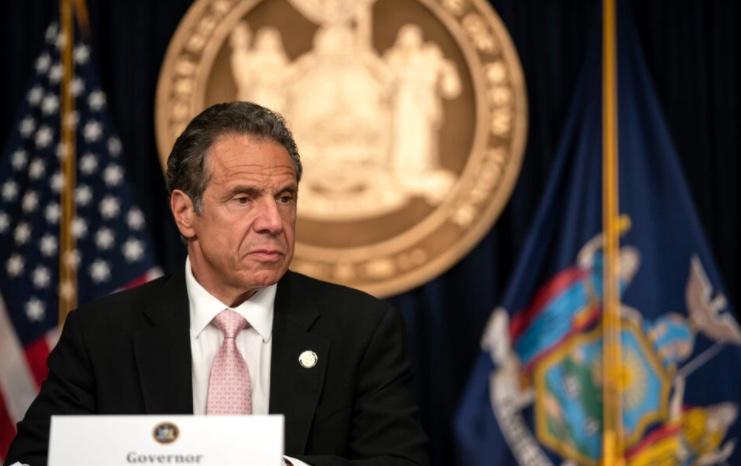
Cuomo Ordered Aides To Conceal Nursing Home Death Numbers While He Negotiated $4M Book Deal: NYT

Cuomo Ordered Aides To Conceal Nursing Home Death Numbers While He Negotiated $4M Book Deal: NYT

Nearly a dozen women have accused Gov. Andrew Cuomo of sexually inappropriate behavior, including his most recent accuser, Sherry Vill, who said became at least the second woman to accuse Cuomo of kissing her without consent – and she had the receipts.

And as Dems seize upon recent revelations about allegations against Florida Rep. Matt Gaetz to try and change the subject away from Cuomo, who appears likely to hang on at least until the end of his current (and third) term, more reports of nefarious behavior about Cuomo have emerged overnight.

Late yesterday, the NYT reported that the governor was busy trawling for a $4MM deal for a book about Cuomo’s “pandemic leadership lessons” while several of his aides were feeding deliberately false data to the DoJ and suppressing a Health Department report that threatened to disclose a far higher number of nursing home deaths. Unsurprisingly, Cuomo’s spokespeople denied the report. But there’s no denying that Cuomo published “America’s Crisis: Leadership Lessons from the COVID-19 Pandemic” in October. Cuomo was working on the book as early as mid-June.

The implication, of course, is that Cuomo did everything he could to delay publication of the higher nursing-home death toll number until he had received the advance for his book.

The embarrassing number was initially supposed to be featured in the second sentence of the report, but top Cuomo aide Melissa DeRosa managed to get it removed from the final version.

An impending Health Department report threatened to disclose a far higher number of nursing home deaths related to the coronavirus than the Cuomo administration had previously made public. Ms. DeRosa and other top aides expressed concern about the higher death toll, and, after their intervention, the number – which had appeared in the second sentence of the report – was removed from the final version.

The revisions occurred as the governor was on the brink of a huge payoff: a book deal that ended with a high offer of more than $4 million, according to people with knowledge of the book’s bidding process.

The NYT even speculated that Cuomo violated laws prohibiting using state resources (including staffers paid by the state) for personal gain, but Cuomo spokesman Richard Azzopardi insisted “every effort was made to ensure that no state resources were used in connection with this project.” Of course, that’s not an outright denial. And according to the NYT “a top aide to the governor, Stephanie Benton, twice asked assistants to print portions of the draft of the book, and deliver them to Mr. Cuomo at the Executive Mansion in Albany, where he lives.”

Emails and an early draft of Mr. Cuomo’s book obtained by The New York Times indicate that the governor was writing it as early as mid-June, relying on a cadre of trusted aides and junior staffers for everything from full-scale edits to minor clerical work, potentially running afoul of state laws prohibiting use of public resources for personal gain.

One aide to the governor, speaking on the condition of anonymity for fear of retaliation, said that she and others were also asked to assist in typing or transferring notes for Mr. Cuomo’s book, which he composed in part by dictating into a cellphone.

“Sorry lady can u print this too and put in a binder,” Ms. Benton wrote to another female staffer on July 5, a Sunday. “And drop at mansion.”

Cuomo aide Melissa DeRosa played a critical role in development of the book, and the July 6 Department of Health report that basically cleared Cuomo and his administration of wrongdoing regarding its handling of nursing homes. Of course, we now know that couldn’t be further from the truth, as the governor failed to stop hospitals from sending COVID-infected patients back to nursing homes, accelerating the spread and leading to more than 15K deaths. Earlier drafts of the DoH report seen by the NYT show the edits demanded by DeRosa very clearly omitted the fatality figures.

In two earlier drafts of the report, which were both reviewed by The Times, the second sentence said that “from March 1, 2020, through June 10, 2020, there were 9,844 fatalities among NYS nursing home residents with confirmed or suspected COVID-19.”

The earlier drafts were written by Eleanor Adams, a top state epidemiologist, and Jim Malatras, a former Cuomo aide who now serves as chancellor of the State University of New York system. The 9,844 death total was far higher than the 6,432 nursing home deaths used in the state’s final report, which continued the state’s practices of omitting the deaths of nursing home residents who died at the hospital.

Azzopardi said the July 6 report was supposed to examine whether the administration’s policies “contributed to increased deaths, and not be a full accounting” of all nursing home residents who died. Cuomo has said he would donate some of his book profits to charity, though he hasn’t said how much. Earlier this week, reports confirmed that top state public health officials paid several in-person visits to Cuomo’s brother, CNN anchor Chris Cuomo, while he suffered from COVID during the early weeks of the outbreak.

Tyler Durden
Thu, 04/01/2021 – 13:20

via ZeroHedge News https://ift.tt/3wjm2lL Tyler Durden

North Carolina Board Threatens Private Drone Mapmakers Because They Aren’t Licensed ‘Surveyors’


michaeljonesdrone_1161x653

Do you actually need to be a state-licensed surveyor in order to use drone technology to map out private property? A collision between drone-driven entrepreneurial innovation and occupational license gatekeeping in North Carolina has led to a lawsuit.

Michael Jones launched a drone photography business in Goldsboro, North Carolina, in 2016, taking aerial photos of private property (on behalf of the property owners) and using tech tools to put the images together as maps. According to the Institute for Justice, which is representing him, Jones’ business—360 Virtual Drone Services—did not represent or market itself as engaging in “land surveying.” The maps he created were not designed to be used to establish legal property boundaries.

These were maps developed for property owners’ and developers’ purposes, like determining ways to alter the land and to evaluate the state of their property. Jones is simply using drone technology to collate images of property and present them in topographical maps and 3D visualizations.

This has run Jones afoul of North Carolina’s Board of Examiners for Engineers and Surveyors, which oversees the licensing of professionals in these fields. In 2018, the board sent Jones a letter telling him he was being investigated for possibly engaging in surveying without a license. Then, in 2019, he was sent a cease-and-desist letter telling him to stop his mapping work. If he did not, he faced the possibility of civil and even criminal charges for engaging in surveying work without a license. He could be fined up to $1,000 and get sent to jail for up to 60 days.

The board is claiming that essentially any form of map making that Jones is doing with his drone counts as “surveying,” even if he’s not creating them to be used for legal purposes. And so, in order to “legally” take pictures and combine them into maps with his drone, Jones needs to acquire the appropriate degrees, pass examinations, and get licensed.

Under such a threat, Jones stopped using his drone to make maps and got legal representation. On March 22, the Institute for Justice filed a lawsuit in the U.S. District Court for the Eastern District of North Carolina, arguing that the Board’s licensing program violates Jones’ First Amendment rights.

“The problem is when you define surveying as simply collecting and disseminating data about land, you’re getting into First Amendment territory,” Institute for Justice Attorney Sam Gedge tells Reason. “Basically, you don’t need the government’s permission to create information and sell that information to willing people. Communicating information is speech, and it’s protected by the First Amendment.”

At the heart of the conflict is the surveying industry disruption being caused by the development of cheaper drone technology. Gedge noted that, historically, when the owner of a large tract of property (like a mall or farm) needed visuals and maps, this required expensive technology and likely the rental of a plane for a flyover. Jones was offering a cheaper alternative, sending a drone hovering overhead, taking dozens of photos that could be automatically stitched together (without requiring years of professional training).

“Now that commercial drones are relatively affordable, you’re seeing people able to offer services that were the sole preserve of licensed professionals,” Gedge says. And some of those professionals aren’t going to take that lying down. The Institute for Justice lawsuit notes that Jones is not the only drone operator to have received threats from the Board. At least six other drone companies have received similar cease-and-desist letters accusing them of engaging in surveying without a license.

Jones’ lawsuit is asking the court to determine that these licensing demands violate the First Amendment. The suit also seeks an injunction stopping the Board from enforcing any bans on “taking aerial photographs and for collecting, processing, disseminating, and selling images of and information about land and property (including distances, coordinates, elevations, and volumes).”

The Institute for Justice also produced a useful explainer video:

from Latest – Reason.com https://ift.tt/31DqPAj
via IFTTT

New Mexico Joins New York and 15 Other States in Legalizing Marijuana


cannabis-leaves-9-MIS-Photography

Yesterday, on the same day that New York became the 16th state to legalize recreational marijuana, legislators in Santa Fe approved a bill that will add New Mexico to that list. The Cannabis Regulation Act passed the state House by a vote of 22–15 and the state Senate by a vote of 38–32 during a special session convened by Gov. Michelle Lujan Grisham, who is expected to sign the bill soon.

New Mexico is the fourth state, in addition to New York, Illinois, and Vermont, to legalize marijuana through the legislature. Thirteen other states have approved legalization by ballot initiative, although South Dakota’s measure is tied up in the courts.

The New Mexico bill allows adults 21 or older to purchase and possess in public up to two ounces of marijuana, 16 grams of cannabis extract, and “eight hundred milligrams of edible cannabis” (by which it presumably means edibles containing up to 800 milligrams of THC). Residents also can legally transfer those amounts to other adults “without financial consideration.” The bill imposes no limits on possession at home.

Marijuana use will be allowed in licensed “cannabis consumption areas.” The bill refers specifically to “smoking cannabis,” which suggests that other kinds of consumption will be allowed elsewhere.

Adults will be allowed to grow up to six mature and six immature cannabis plants at home. Unlike New York’s law, which delays permission for homegrown marijuana until up to 18 months after the first state-licensed retailer opens (which may not happen until late next year), New Mexico’s bill allows home cultivation while the state creates a system for licensing and regulating commercial production and distribution.

The bill assigns that task to a newly created Cannabis Control Division of the New Mexico Regulation and Licensing Department. The division is required to write rules for licensing and regulating recreational marijuana businesses by January 1. That is also the deadline for beginning to process license applications. The division is required to begin allowing retail sales by April 1, 2022.

The retail sale of cannabis products will be taxed at a rate of 12 percent—substantially lower than the THC and sales taxes New York plans to collect. A third of the revenue is earmarked for local governments.

A fiscal impact report from the Legislative Finance Committee notes that “there is no effective date of this bill,” so “it is assumed that the effective date is 90 days following adjournment of the Legislature.” That implies decriminalization of possession and home cultivation will take effect in June.

Another bill approved by New Mexico legislators yesterday, which Lujan Grisham also is expected to sign, requires automatic expungement of government records related to marijuana offenses that are no longer crimes. Marijuana offenders who have not completed their sentences will be eligible for judicial dismissal and expungement. The bill says expunged records may not be considered in decisions regarding public employment or professional licenses.

Virginia legislators, meanwhile, are gradually moving ahead with plans to legalize marijuana for recreational use. Gov. Ralph Northam yesterday said he would like the state legislature to legalize simple possession by July 1, “nearly three years sooner than previously planned.” He also thinks home cultivation of up to four plants should be allowed by that date. But the deadline for the legislature to enact provisions regarding commercial production and distribution is still January 1, 2024, which means retail sales won’t begin anytime soon.

“Virginia will become the 16th state to legalize marijuana,” Northam said yesterday. That prediction already has been overtaken by events. Virginia might instead be the 18th state to legalize marijuana (or the 17th, if you don’t count South Dakota). That’s assuming no other state acts in the meantime.

“New Mexico joins an ever-growing list of states that have realized the failures of marijuana prohibition and the harms it brings to their communities and citizens,” says Erik Altieri, executive director of the National Organization for the Reform of Marijuana Laws. “They are the third state so far this year that has approved legalization via the legislative process [counting New Jersey, where the legislature approved a plan in response to a 2020 ballot initiative], and we expect several more will follow suit in a short period of time. The American people are demanding an end to prohibitionist policies that have wreaked havoc on communities of color, squandered countless millions in taxpayer dollars, and wasted limited judicial and law enforcement resources on criminalizing otherwise law-abiding individuals for possession of a product that is objectively less harmful than currently legal alcohol and tobacco.”

All of the conduct decriminalized by these state laws, including possession, cultivation, and sales, is still prohibited by the federal Controlled Substances Act. The Marijuana Opportunity Reinvestment and Expungement (MORE) Act, which was approved by the House of Representatives in December but was never considered by the Senate, would have addressed that untenable situation by removing marijuana from the schedules of controlled substances. House Judiciary Committee Chairman Jerrold Nadler (D–N.Y.) plans to reintroduce the MORE Act, and yesterday Senate Majority Leader Chuck Schumer (D–N.Y.) said his chamber will soon consider legislation that would “end the federal prohibition on marijuana.”

President Joe Biden, notwithstanding his avowed conversion from draconian drug warrior to enlightened reformer, has shown no inclination to do that. Altieri hopes the continuing collapse of marijuana prohibition at the state level will apply “further pressure on the federal government to finally deschedule marijuana nationally and end this ongoing tension between state and federal policies.”

from Latest – Reason.com https://ift.tt/2Pq3ks0
via IFTTT

New Mexico Joins New York and 15 Other States in Legalizing Marijuana


cannabis-leaves-9-MIS-Photography

Yesterday, on the same day that New York became the 16th state to legalize recreational marijuana, legislators in Santa Fe approved a bill that will add New Mexico to that list. The Cannabis Regulation Act passed the state House by a vote of 22–15 and the state Senate by a vote of 38–32 during a special session convened by Gov. Michelle Lujan Grisham, who is expected to sign the bill soon.

New Mexico is the fourth state, in addition to New York, Illinois, and Vermont, to legalize marijuana through the legislature. Thirteen other states have approved legalization by ballot initiative, although South Dakota’s measure is tied up in the courts.

The New Mexico bill allows adults 21 or older to purchase and possess in public up to two ounces of marijuana, 16 grams of cannabis extract, and “eight hundred milligrams of edible cannabis” (by which it presumably means edibles containing up to 800 milligrams of THC). Residents also can legally transfer those amounts to other adults “without financial consideration.” The bill imposes no limits on possession at home.

Marijuana use will be allowed in licensed “cannabis consumption areas.” The bill refers specifically to “smoking cannabis,” which suggests that other kinds of consumption will be allowed elsewhere.

Adults will be allowed to grow up to six mature and six immature cannabis plants at home. Unlike New York’s law, which delays permission for homegrown marijuana until up to 18 months after the first state-licensed retailer opens (which may not happen until late next year), New Mexico’s bill allows home cultivation while the state creates a system for licensing and regulating commercial production and distribution.

The bill assigns that task to a newly created Cannabis Control Division of the New Mexico Regulation and Licensing Department. The division is required to write rules for licensing and regulating recreational marijuana businesses by January 1. That is also the deadline for beginning to process license applications. The division is required to begin allowing retail sales by April 1, 2022.

The retail sale of cannabis products will be taxed at a rate of 12 percent—substantially lower than the THC and sales taxes New York plans to collect. A third of the revenue is earmarked for local governments.

A fiscal impact report from the Legislative Finance Committee notes that “there is no effective date of this bill,” so “it is assumed that the effective date is 90 days following adjournment of the Legislature.” That implies decriminalization of possession and home cultivation will take effect in June.

Another bill approved by New Mexico legislators yesterday requires automatic expungement of government records related to marijuana offenses that are no longer crimes. Marijuana offenders who have not completed their sentences will be eligible for judicial dismissal and expungement. The bill says expunged records may not be considered in decisions regarding public employment or professional licenses.

Virginia legislators, meanwhile, are gradually moving ahead with plans to legalize marijuana for recreational use. Gov. Ralph Northam yesterday said he would like the state legislature to legalize simple possession by July 1, “nearly three years sooner than previously planned.” He also thinks home cultivation of up to four plants should be allowed by that date. But the deadline for the legislature to enact provisions regarding commercial production and distribution is still January 1, 2024, which means retail sales won’t begin anytime soon.

“Virginia will become the 16th state to legalize marijuana,” Northam said yesterday. That prediction already has been overtaken. Virginia might instead be the 18th state to legalize marijuana (or the 17th, if you don’t count South Dakota). That’s assuming no other state acts in the meantime.

“New Mexico joins an ever-growing list of states that have realized the failures of marijuana prohibition and the harms it brings to their communities and citizens,” says Erik Altieri, executive director of the National Organization for the Reform of Marijuana Laws. “They are the third state so far this year that has approved legalization via the legislative process [counting New Jersey, where the legislature approved a plan in response to a 2020 ballot initiative], and we expect several more will follow suit in a short period of time. The American people are demanding an end to prohibitionist policies that have wreaked havoc on communities of color, squandered countless millions in taxpayer dollars, and wasted limited judicial and law enforcement resources on criminalizing otherwise law-abiding individuals for possession of a product that is objectively less harmful than currently legal alcohol and tobacco.”

All of the conduct decriminalized by these state laws, including possession, cultivation, and sales, is still prohibited by the federal Controlled Substances Act. The Marijuana Opportunity Reinvestment and Expungement (MORE) Act, which was approved by the House of Representatives in December but was never considered by the Senate, would have addressed that untenable situation by removing marijuana from the schedules of controlled substances. House Judiciary Chairman Jerrold Nadler (D–N.Y.) plans to reintroduce the MORE Act, and yesterday Senate Majority Leader Chuck Schumer (D–N.Y.) said his chamber will soon consider legislation that would “end the federal prohibition on marijuana.”

President Joe Biden, notwithstanding his avowed conversion from draconian drug warrior to enlightened reformer, has shown no inclination to do that. Altieri hopes that the continuing collapse of marijuana prohibition at the state level will apply “further pressure on the federal government to finally deschedule marijuana nationally and end this ongoing tension between state and federal policies.”

from Latest – Reason.com https://ift.tt/2Pq3ks0
via IFTTT

Iowa Democrat Drops Election Challenge Over House Race, Giving GOP Another 2020 Victory

Iowa Democrat Drops Election Challenge Over House Race, Giving GOP Another 2020 Victory

Authored by Jack Phillips via The Epoch Times,

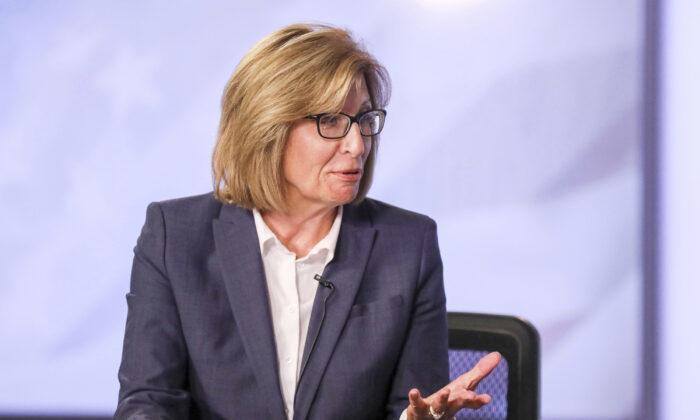
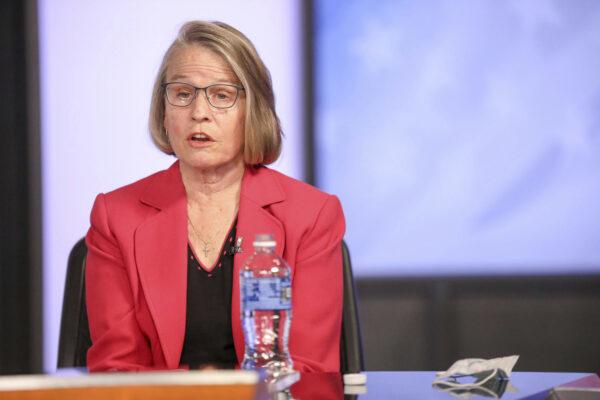
Iowa Democrat Rita Hart has dropped her election challenge to Republican Rep. Mariannette Miller-Meeks’s 2020 victory in Iowa’s 2nd Congressional District.

Rita Hart answers a question during a debate in Cedar Rapids, Iowa, on Oct. 8, 2020. (Rebecca F. Miller/The Gazette via AP)

Hart on March 31 withdrew her challenge to her state-certified, six-vote loss with the House Administration Committee. A number of Democratic lawmakers in recent days said House leaders shouldn’t attempt to overturn the election results.

“After many conversations with people I trust about the future of this contest, I have made the decision to withdraw my contest before the House Committee on Administration,” Hart said in a statement.

Since Election Day, and throughout this entire process, my mission has been about ensuring the voices of Iowans who followed the law are not silenced. I am saddened that some Iowans’ votes will not count through no fault of their own. The work of ensuring it does not happen again will continue beyond this campaign.”

The decision by Hart comes as House Republican Leader Kevin McCarthy (R-Calif.) and Miller-Meeks stopped in Iowa to criticize House Democratic efforts.

“The idea that Democrats want to turn over an election after it’s been counted, recounted, and a bipartisan election board had voted,” McCarthy said March 31. “It’s time to move on. I’ve served with the Congresswoman, we’ve been to the border already to see the crisis.”

Miller-Meeks said that “if six votes aren’t enough to win an election, then why are six members on a committee able to overturn an election? … No one should be okay with violating state laws to get the results of an election that they want.”

Iowa Secretary of State Paul Pate also sent a letter to House Speaker Nancy Pelosi (D-Calif.) and called on her “to reject any attempts to overturn the will of Iowa voters.”

Pate said that the “Hart campaign signed off on the recount procedures and results in all 24 counties” and said that “the bipartisan State Canvassing Board unanimously accepted the results and officially certified the election,” noting that Miller-Meeks defeated her opponent by six votes.

“Ms. Hart has stated that her reason for failing to give Iowans a voice in this process is that Iowa law does not allow for sufficient time to review her claims,” Pate wrote.

Mariannette Miller-Meeks answers a question during a debate in Cedar Rapids, Iowa, on Oct. 8, 2020. (Rebecca F. Miller/The Gazette via AP)

“That assertion is in stark contrast to the fact that Iowa’s Judicial Branch has always gone above and beyond to issue expeditious rulings in cases concerning election law. The Hart campaign should have exhausted all state avenues before asking a federal chamber controlled by her party to make the final determination. Iowans should have the final say in all Iowa elections, not Washington, D.C., politicians.”

Pelosi and other Democratic leaders earlier this month said that the House has the capacity to overturn contested elections. Under the Constitution, the House does have the power to make the final call in certain cases, and Hart appealed to the lower congressional body to review the results of her razor-thin race against Miller-Meeks.

In 1985, Democrats launched a challenge into a state-certified victory by Republican Rick McIntyre over Rep. Frank McCloskey in Indiana’s 8th Congressional District after it was learned that thousands of ballots were left uncounted. It found McCloskey won by four votes.

But some moderate Democrats rejected efforts to overturn Miller-Meeks’s win.

“I want to see what compelling reasons there are for the feds to get involved in this,” Rep. Lou Correa (D-Calif.) told CNN earlier this month. “I think these are issues that right now are probably best left at the state level.”

Tyler Durden
Thu, 04/01/2021 – 13:01

via ZeroHedge News https://ift.tt/3ubsSYA Tyler Durden

Marco Rubio Exposes “Woke Corporate Hypocrites” Over GA Election Reform

Marco Rubio Exposes “Woke Corporate Hypocrites” Over GA Election Reform

This week, 72 black executives were joined by the likes of Google, Apple, JPMorgan, Citigroup, BlackRock, Home Depot, Delta Airlines, Coca-Cola and others in opposing Georgia’s new voting law –  which they say will disproportionately impact black communities.

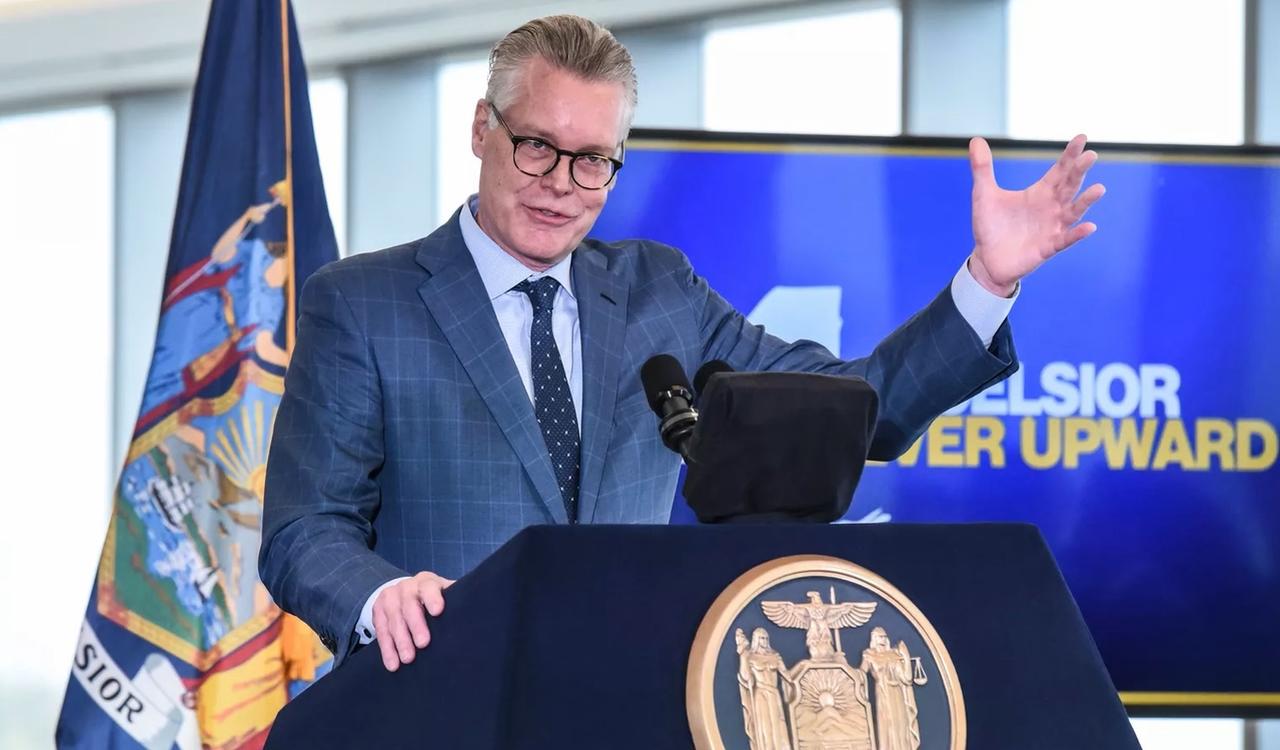
Delta CEO Ed Bastian

Many of these virtue-signaling corporations were silent when the law was being considered or before Governor Brian Kemp (R) signed it into law on March 25, only to succumb to a Democrat-led pressure campaign against state GOP leaders.

“Throughout the legislative process, we spoke directly with Delta representatives numerous times … At no point did Delta share any opposition to expanding early voting, strengthening voter ID measures, increasing the use of secure drop boxes statewide, and making it easier for local election officials to administer elections,” said Kemp.

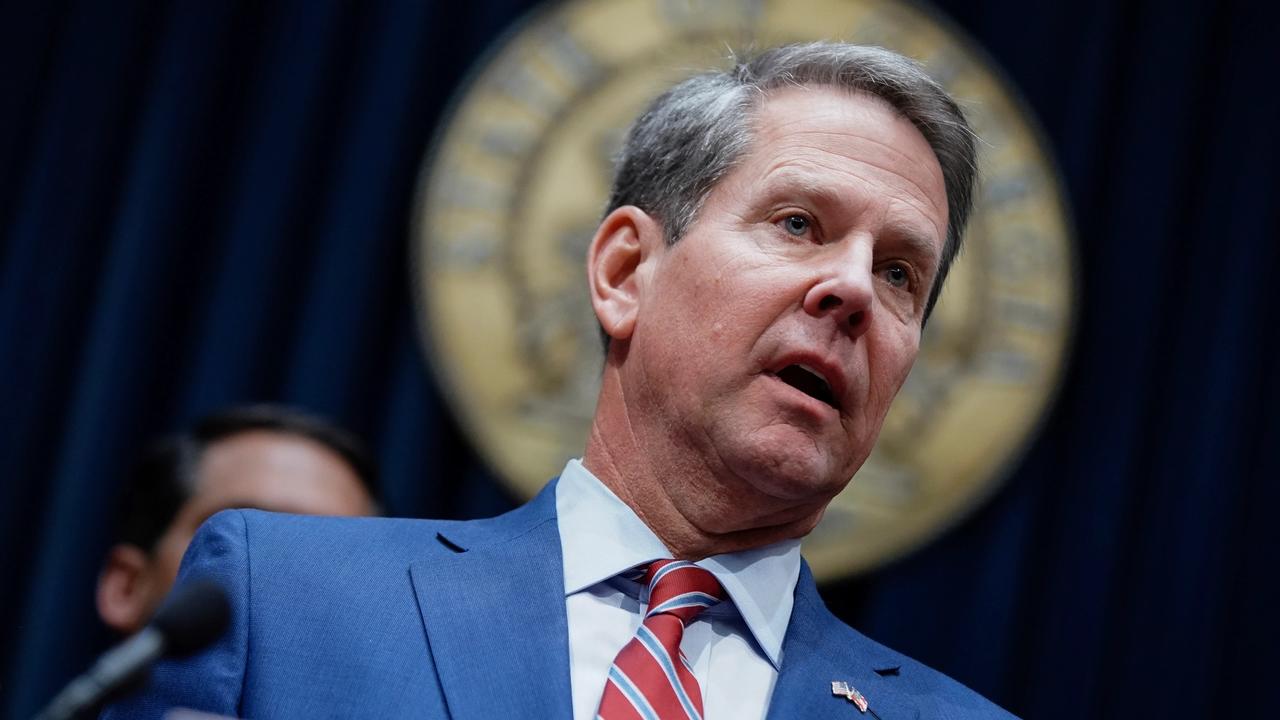
Georgia Governor Brian Kemp (R)

Kemp, meanwhile, defended the Election Integrity Act of 2021 (SB 202) – telling CNBC “If they want to have a debate about the merits and the facts of the bill, then we should do that.”

“We have 159 counties in Georgia. One hundred and thirty-four of those counties under this legislation will be offering more hours of early voting, not less, so I would encourage these CEOs to look at these other states they’re doing business in, and compare what the real facts are to Georgia, and I think their focus will probably need to be in other places and not here,” Kemp added.

Republicans have argued that the reforms are necessary to rebuild confidence in the state’s election integrity – and include requiring photo or state-approved ID to vote by absentee ballot, secure drop-boxes placed inside early voting locations with constant surveillance, and expands early voting across the state, according to the Epoch Times.

Opponents, including the virtue-signaling corporate execs, say the measures are a form of voter suppression on minority communities (unlike vaccine passports, apparently).

“[I]t’s evident that the bill includes provisions that will make it harder for many underrepresented voters, particularly Black voters, to exercise their constitutional right to elect their representatives. That is wrong,” said Delta Airlines in a statement. However, according to Kemp, this is the first time Delta – the state’s largest private employer with over 30,000 employees worldwide – has expressed concern over the bill.

In response to Delta CEO Ed Bastian claim that the voting laws are “based on a lie” that election fraud occurred in the 2020 election, the Georgia state House voted Wednesday to strip Delta of a significant tax break worth tens of millions of dollars per year. The state Senate did not take up the measure before it adjourned.

Calling Delta out for being giant hypocrites was Senator Marco Rubio (R-FL), who asked the company in a Wednesday tweet when we can expect the company to condemn the “ongoing genocide in #Xinjiang” China, and say it’s “unacceptable and does not match Delta’s values”???

Sen. Roger Wicker (R-MI) tweeted “Delta Airlines CEO caves to the left with a false narrative about the new Georgia voting law, which actually expands voting opportunities,” adding “He should be ashamed of himself,” to which Sen. Tom Cotton (R-AR) replied “This is exactly right. “The @Delta CEO folded under pressure and smeared the state of Georgia with lies about Georgia’s election bill.”

And as the Washington Examiner‘s Byron York notes:

The backstory makes Delta, and Bastian, look even worse. Just last week, Delta released a statement praising improvements in the bill — on absentee voting, weekend voting, poll worker flexibility, and more. Even though Delta conceded that “concerns remain over other provisions in the legislation,” the assessment was basically positive.

The statement prompted some ugly blowback from the left. Former MSNBC anchor Keith Olbermann tweeted, “Do not fly Delta. Do not spend money with Delta. Boycott Delta. Ruin Delta.” The hashtag #BoycottDelta began to fly around on Twitter.

Talk of punishing Georgia grew. On Wednesday night, President Biden said he would “strongly support” moving the baseball All-Star game set for July 13 in Atlanta. “This is Jim Crow on steroids, what they’re doing in Georgia,” Biden said. The president has consistently mis-stated what is in the Georgia law. As Karl Rove outlines here, Biden has leveled three specific accusations against the law, and all three are false.

But it’s enough to make a CEO tremble in fear. And so Bastian issued his new statement to the “Delta family.” Then Georgia Governor Brian Kemp cut Bastian’s legs out from under him. Delta did engage in the legislative process, Kemp said, and “At no point did Delta share any opposition to expanding early voting, strengthening voter ID measures, increasing the use of secure drop boxes statewide, and making it easier for local election officials to administer elections — which is exactly what this bill does.” Just to stick it in a little, Kemp added, “The last time I flew Delta, I had to present my photo ID.”

So now Delta is being battered from all sides. What’s the lesson? The lesson is not that the company should be four-square in support of the new bill. It is not that it should be four-square against the bill. It is that corporations like Delta should try to stay out of hot political controversies. Delta is a passenger airline. It flies people around the country and the world. It flies Trump supporters. It flies Biden supporters. If flies everybody. Why not just stick to flying and stay out of politics as much as possible?

And now, Delta’s woke corporate hypocrisy may end up costing the company tens of millions of dollars on an annual basis in the state of Georgia.

Tyler Durden
Thu, 04/01/2021 – 12:39

via ZeroHedge News https://ift.tt/31Klx5X Tyler Durden

The Return of April Fools’ LawProf Blog Posts

In year’s past, I wrote April Fools’ posts. Some were more convincing than others. However, during the Trump presidency, I stopped. Parody blurred with reality. And I worried that people may not realize I was joking.

But with Trump out of office, is it safe to joke again? I considered writing one for this year: House Republicans were drafting articles of impeachment against former President Obama. Believe it? Plausible.

Today, I noticed that at least two professors wrote clever April Fools’ jokes.

Mike Dorf wrote a post titled Testiness at the First Annual Conference on Originalismism.

Yesterday I “attended” and moderated a panel at a fascinating Zoom-based conference hosted by the three law schools with the closest connection to originalism in constitutional interpretation: Georgetown Law Center, the Antonin Scalia Law School at George Mason University, and the University of San Diego School of Law. Because the focus of the conference was the study of originalism rather than originalism itself, the conference was titled “Launching Originalismism.”As co-conveners Professors Randy Barnett, Michael Rappaport, and Ilya Somin wrote on the conference homepage:

For many years, constitutional scholars debated whether to give dispositive weight to the Constitution’s original meaning. That debate is over. Originalism won. The question has now shifted to how to do so, which is a question about the boundaries of originalism. This first-of-its-kind conference brings together originalist scholars of all stripes, as well as a few stubborn holdouts, to begin the study of originalism itself–in an effort to understand originalism. If originalism is the view that the Constitution’s original public meaning was and remains fixed, our topic today is meta: We ask questions that are not within but about originalism. In so doing, we declare ourselves engaged in originalismism.

For a moment, I thought, “Why was I not invited to speak at this conference?” Then I chuckled. Read the entire post. Stay for the Mitch McConnell turtle reference at the end.

And Rick Hasen has an all-too-accurate post on election law timing: “Election Litigation That Doesn’t Come Too Early Comes Too Late.”

A divided Supreme Court ruled today that there is no right time to file a case contending that an election law unconstitutionally violates the right to vote protected by the U.S. Constitution’s equal protection clause.

On a 6-3 vote, the Court in an unsigned (per curiam) opinion explained that lawsuits protecting voting rights cannot be filed well before the election, because in those cases the claims are “unripe” and plaintiffs lack standing due to the speculative nature of such claims. But claims cannot be filed too close to the election, under what has come to be known as the “Purcell Principle,” because changes in election laws close to the election risk confusion of voters and election administrators.

A fairly accurate statement of current doctrine.

Thank you for the laughs.

from Latest – Reason.com https://ift.tt/3rHgpKw
via IFTTT