The Iran Question Is All About China

The Iran Question Is All About China

By Zineb Riboua, author of Beyond The Ideological

Iran is most often discussed as a nonproliferation problem, a sponsor of terrorism, a regional spoiler. Each of these framings captures a real problem, but none captures what matters most. The nuclear file, the militia archipelago stretching from Lebanon to Yemen, the question of Gulf security architecture: these only acquire their full meaning when read against the backdrop of Chinese grand strategy.

Beijing has spent years and billions of dollars building Iran into a structural asset. Everything that follows in the Middle East flows from this fact. Which is why Operation Epic Fury is the first American military campaign that threatens to sever that asset. By striking Iran directly, the Trump administration is dismantling, whether by design or by consequence, a pillar of China’s regional architecture.
The urgency of saying so plainly has never been greater. In June 2025, Israel launched Operation Rising Lion, a 12-day campaign of precision strikes that destroyed Iranian enrichment facilities, killed over 30 senior commanders and a dozen nuclear scientists, and drew the United States into direct strikes on 3 nuclear sites. The Islamic Republic’s deterrent mythology, cultivated over four decades, collapsed within a fortnight. In late December, the largest protests since 1979 erupted across all 31 provinces, fueled by economic freefall and a population that no longer believed in the regime’s strength. The government responded in January 2026 with massacres that killed thousands, prompting the European Union to designate the IRGC as a terrorist organization and further increasing the isolation of the regime.

By any conventional measure, the Islamic Republic is weaker than at any point in its history. Yet China was moving to put it back together. This week, it was reported that Tehran was close to finalizing a deal for Chinese-made supersonic anti-ship cruise missiles, weapons capable of threatening American carriers now massing in the Persian Gulf. Earlier, Chinese suppliers shipped over 1,000 tons of sodium perchlorate, a key missile propellant ingredient, to the Iranian port of Bandar Abbas, enough to rebuild a substantial portion of the ballistic missile stockpile that Israel had just spent 12 days destroying.

Understanding why Beijing would do this and what it means for the United States requires looking beyond Iran and toward the broader contest in which Iran plays a role.

The Energy Lifeline

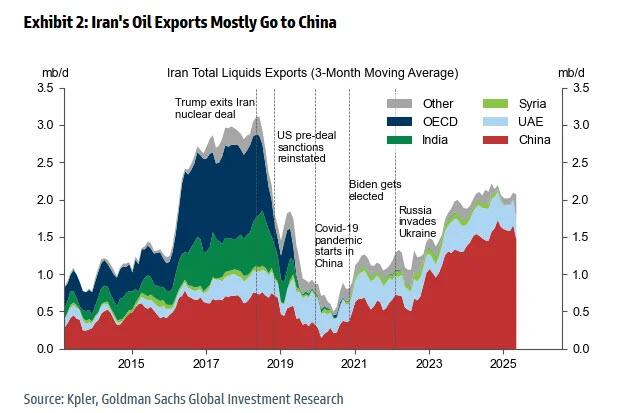
Start with oil, because oil is where the entire relationship begins. China buys around 90% of Iran’s crude exports at steep discounts. The shipments travel on a ghost fleet of tankers that switch off their transponders and relabel their cargo as Malaysian or Indonesian crude to circumvent American sanctions. Since 2021, the cumulative value of these purchases has exceeded $140 billion. This makes China the main reason the Islamic Republic has not gone bankrupt.
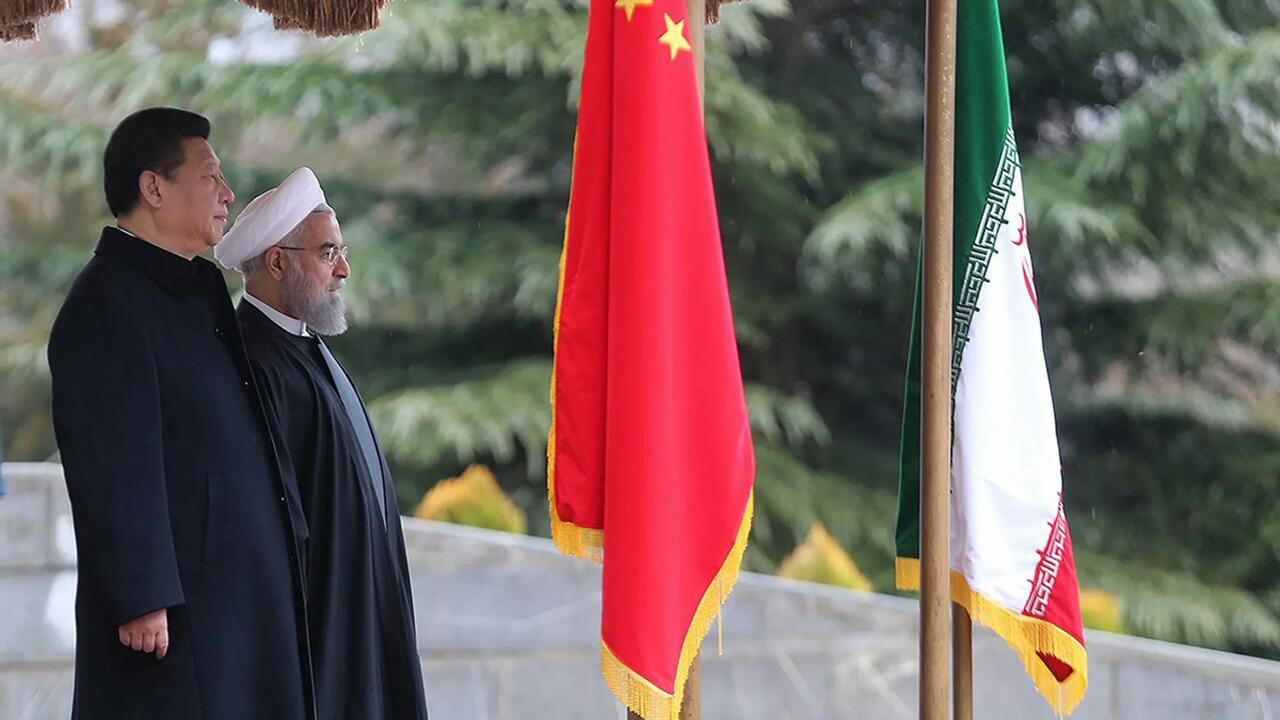
The arrangement works beautifully for Beijing. It gets cheap oil for its industrial base, saving billions annually compared to market-rate suppliers. And in exchange for what amounts to a discount at the pump, China acquires durable influence over a nation of 90 million people sitting astride the world’s most consequential energy corridor. Tehran, increasingly cut off from every other major economy, has nowhere else to turn. When Ayatollah Khamenei received Xi Jinping in 2016, he praised the 25-year strategic partnership as “totally correct and endowed with wisdom,” adding pointedly that “Western governments have never been able to win the Iranian nation’s trust.” The supreme leader was not merely flattering a guest. He was describing a structural reality: Iran’s economy now runs on Chinese money, and both capitals know it.

The 25-year Comprehensive Strategic Partnership signed in 2021, committing China to invest an estimated $400 billion across Iran’s energy, banking, telecommunications, and infrastructure sectors, formalized what was already underway. A freight rail corridor now connects the Iranian city of Qom to Yiwu, China. The deeper this integration runs, the less leverage anyone else has over Tehran, and the more leverage Beijing accumulates.

The Digital Leash

The technology dimension of this compact is less discussed than the oil trade, but arguably more revealing of its true character. Huawei and ZTE have built significant portions of Iran’s telecommunications infrastructure. As far back as 2010, ZTE signed a $130 million contract to overlay a surveillance system onto Iran’s state-managed telephone and internet networks. Huawei became the country’s largest telecommunications equipment provider, supplying location-tracking services to mobile carriers and pitching Iranian officials on content-censorship tools by emphasizing that, as a Chinese company, it had the relevant expertise.

Since then, the cooperation has expanded to include AI-enabled facial-recognition cameras from firms such as Tiandy and Hikvision, deep packet inspection tools, and centralized traffic management systems. Iran’s National Information Network, a state-controlled domestic intranet that progressively severs citizens’ access to the open internet, was modeled on the Great Firewall of China and built with Chinese technical assistance.

The practical consequences came into focus during the January 2026 massacres. When the regime imposed a near-total internet shutdown to prevent footage of the killings from reaching the outside world, it did so on infrastructure that Chinese firms had years helping to construct. The surveillance technology that enables the IRGC to track, identify, and suppress dissidents was supplied by the same companies that perform identical functionsfor the Chinese Communist Party in Xinjiang. Beijing is providing the Islamic Republic with the tools to survive its own population’s rejection and is doing so for the same reason it buys the oil: a dependent Iran is a useful Iran.

The Red Sea and the Logic of Attrition

Iran’s value to China extends beyond energy and technology into the domain of proxy warfare. Consider the Red Sea. When Iran’s Houthis began attacking commercial shipping in the Bab el-Mandeb Strait in late 2023, the consequences rippled across the global economy. Container traffic through the Red Sea fell by 90% within 3 months. Goods worth roughly $1 trillion were disrupted in the first 7 months. The rerouting of ships around Africa’s Cape of Good Hope added nearly 2 weeks and about $1 million in fuel costs to every voyage, driving freight rates between Asia and Europe.

The United States bore the heaviest burden of response. Carrier strike groups were deployed, air campaigns were sustained for months, and precision munitions costing between $1 million and $4 million per interceptor were expended at a rate that, by mid-2025, had consumed roughly a quarter of America’s high-end missile interceptor inventory. China, throughout all of this, did nothing.

Chinese-flagged ships sailed through with less interference. Beijing contributed no vessels to the multinational protection force and issued no condemnation of the attacks. Even more so, Chinese satellite companies were providing the Houthis with intelligence to enable their targeting of commercial vessels.

The logic here requires no conspiracy theory to explain. Every dollar the United States spends defending Red Sea shipping lanes is a dollar unavailable for submarine production, Pacific basing, or Taiwan contingency planning. Every carrier group stationed in the Gulf of Aden is a carrier group absent from the Western Pacific. Iran’s proxies, armed with Iranian weapons and supported by Iranian intelligence, function as a mechanism of American strategic attrition, and the costs fall entirely on Washington while Beijing accumulates strategic gains.

Courting America’s Gulf Allies

There is also a further dimension to this picture that receives too little attention. China benefits from the Iranian threat in a second, less obvious way: it uses the anxiety that Iran generates among Gulf Arab states to deepen its own relationships with those states, which happen to be America’s most important regional partners.

The Gulf monarchies have lived for decades under the shadow of Iranian aggression. They managed this historically through close alignment with the United States. But confidence in American reliability has eroded, a process that began with the Obama administration’s pursuit of the nuclear deal with Tehran, deepened after the muted response to the 2019 Aramco attacks, and accelerated after the withdrawal from Afghanistan. Gulf leaders increasingly believe they cannot rely solely on Washington.

China has stepped into this uncertainty with commercial patience and diplomatic ambition. Saudi Arabia now sells more oil to China than to any other country. The UAE has woven Huawei technology into its critical tech infrastructure. Chinese firms are building ports, railways, 5G networks, and smart cities across the Gulf. And in March 2023, Beijing brokered the Saudi-Iranian normalization agreement, a diplomatic achievement that announced China’s arrival as a Middle Eastern power broker. That same year, Saudi Investment Minister Khalid Al-Falih declared publicly that a multipolar world had emerged and that cooperation between the Gulf states and China would be “a significant part of the new order.”

The pattern should be legible by now: Iran’s threat pushes Gulf states to diversify their partnerships, and this very diversification increases Chinese leverage. And the more leverage China holds over Gulf capitals, the less likely those capitals are to side with Washington on the questions Beijing cares about most: Taiwan, semiconductor export controls, sanctions enforcement, and the future of the dollar-based financial order.

Why This Is Really About Taiwan

All of which brings us to the central problem. Trump didn’t launch Operation Epic Fury to only punish Khamenei for his massacres. He launched it because every year Washington spends managing Tehran is another year Beijing buys in the Pacific, and the administration has decided the trade isn’t worth it anymore. The orientation of the Middle East will determine whether the United States can prevail in the defining confrontation of this century: a Chinese move against Taiwan.

First, consider energy. China imports roughly 70% of its oil, most of it transiting the Strait of Malacca. In a Taiwan contingency, those sea lanes become contested. Beijing will need alternative energy sources and will look westward to Iran, Russia, and any Gulf state willing to sell outside the dollar system. If the Middle East has already drifted into Beijing’s economic orbit by the time that crisis arrives, China begins the confrontation with a strategic energy reserve that American planners cannot disrupt.

Second, consider force posture. The United States cannot fight a two-theater war. The Red Sea campaign demonstrated this concretely: a regional militia armed with Iranian weapons consumed a quarter of America’s interceptor stockpile in a matter of months. A Middle East that demands permanent crisis management bleeds the American military of the ships, aircraft, and munitions it needs for Pacific deterrence. A Middle East restructured toward stability, where Iran’s proxy architecture has been degraded, and Gulf partners are aligned, can be managed with a lighter footprint, freeing decisive combat power for the theater that will define the century.

Third, consider coalitions. If a Taiwan crisis comes, the United States will need allied nations to impose punishing costs on China through sanctions, financial exclusion, and technology denial. The effectiveness of that coalition depends on whether energy-producing states participate. If Saudi Arabia, the UAE, and others are so deeply engaged in the Chinese economic system that they refuse to curtail oil sales to Beijing during a Pacific war, the entire sanctions architecture collapses at the moment it is needed most.

The Choice

For all these reasons, the Islamic Republic has been the central pillar of a regional order that Beijing assembled, and Operation Epic Fury is now cracking that pillar. But the strikes should not be understood as an end in themselves. They are the opening act in the larger contest against China, because Iran is where Beijing’s Middle East architecture is most concentrated and most vulnerable. Collapse the Islamic Republic and you remove the single greatest drain on American strategic bandwidth, expose the fragility of every client relationship Beijing has built from Tehran outward, and free the United States to concentrate on the Pacific with a credibility that twenty years of pivot talk never produced.

That outcome, however, requires following through.

The administration has already rejected the negotiated settlement that would leave the clandestine arsenal operational and the Chinese-built surveillance state in place. What remains is to use the convergence of military pressure, regime fragility, and allied momentum to finish what the opening act began. The Venezuela playbook offers a template. Recognize a legitimate transitional authority, marshal international support around the transition, and let the regime’s own fragility do most of the work while American pressure forecloses Beijing’s ability to reconstitute what has been broken.

The nature of the threat makes the harder course not just preferable but necessary. Tehran’s deterrent has never rested solely on its nuclear program. In January 2024, the IRGC launched ballistic missiles from shipping containers aboard a converted cargo vessel purchased for less than 20 million dollars—a fraction of what a warship costs, yet merchant hulls are far harder to sink than frigates, as decades of naval experience have shown. Iran now possesses a mobile, survivable, and largely undetectable strike platform that can operate from any port or shipping lane, hitting from vectors no existing defense plan anticipates. A state that can threaten American carriers from unmarked hulls in any ocean cannot be managed through arms control. Its total removal from the board changes the geometry of great-power competition entirely.

None of this would be possible without the groundwork already laid. What much of the Western conversation has missed, consumed as it has been by debates over proportionality and narratives of supposedly Israeli aggression, is that Israel has been the actor most consistently performing the strategic work that American interests require. Israel broke the Iranian-led axis, dismantled Hezbollah’s command structure, and proved that the entire edifice could be shattered by force.

The fashionable framework that reduces the Middle East to a morality tale of Israeli excess has been strategically blind, obscuring the fact that the most consequential campaign against Chinese regional infrastructure in this century was fought not by the United States but by its closest Middle Eastern ally, acting largely alone and under relentless international censure. In this sense, Operation Epic Fury picks up where Israel left off, escalating from proxy destruction to direct confrontation with the hub itself.

Beijing’s response confirms the diagnosis. Chinese satellites provided Tehran with real-time intelligence on American force deployments, including detection of F-35A, F-15E, A-10C, and THAAD system arrivals at Muwaffaq Salti Air Base in Jordan.

And the desperation runs in both directions. At the SCO summit, Pezeshkian begged Xi to treat Iran as “a friendly and determined ally.” Beijing is obliging, because the collapse of the Islamic Republic under American pressure would sever China’s corridors.

No comparable opportunity to inflict this kind of strategic damage on Chinese positioning has presented itself since the end of the Cold War.

It bears repeating: the Iran question was never about Iran. Remove the Islamic Republic from the equation and China loses its pawns for a Taiwan contingency. Leave it in place and the Middle East remains what Beijing designed it to be: a second front that Washington can never afford to leave and can never afford to stay in. Trump’s strikes are the first move by an American president who appears to understand that the road to the Pacific runs through Tehran.

Tyler Durden
Sun, 03/01/2026 – 20:40

via ZeroHedge News https://ift.tt/PExbesa Tyler Durden

Mid-Atlantic Braces For Another Winter Blast Before A Spring Warmup

Mid-Atlantic Braces For Another Winter Blast Before A Spring Warmup

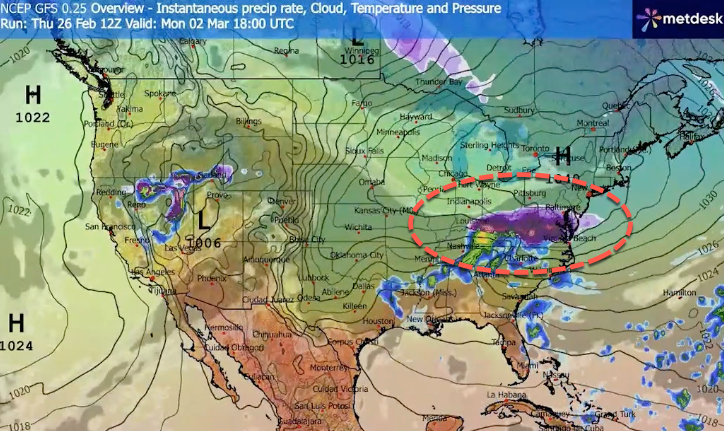
Winter in the Mid-Atlantic region is certainly winding down, and March is always an unpredictable month. Early next week, a fast-moving Alberta Clipper is forecast to bring yet another round of wintry weather to the region before a spring warm-up arrives by mid-month.

Marko Korosec, lead forecaster at SWE, wrote in a new weather note that the Alberta Clipper is set to spread snow, ice, and freezing rain from the Midwest to the Mid-Atlantic beginning Sunday and continuing through Tuesday.

Korosec continued:

A new winter storm will set the stage for another snowstorm event early next week, with a new pack of snow that will blanket areas recently impacted by the storm Hernando.

From Sunday through Tuesday, a fast-moving Alberta Clipper winter storm will race from the Midwest to the Mid-Atlantic, travelling along the southward-surgeing frigid Arctic cold pool, beneath the southern lobe of the Polar Vortex aloft.

The Clipper storm is a system fueled by a fresh surge of Arctic air mass diving south from Canada into the U.S. These storms typically form in the lee of the Canadian Rockies (Alberta) and quickly move across the northern United States towards the East.

These systems are not fueled by high moisture or other winter storms, so snow amounts are less impactful but can still disrupt travel. They are followed by extreme cold air masses, characterized by a massive drop in temperature.

We are tracking a potentially impactful storm system that will barrel across parts of the nation this Sunday and Monday, leading to travel disruptions with a wintry mix of snow and ice. As the lobe aloft dips south, it brings another deep freeze plunging southeastward from Canada into the U.S. in the following days.

A Clipper winter storm to deliver new snow from the Midwest to the Mid-Atlantic

The storm will impact areas from Chicago and Detroit to New York City and Philadelphia, with Monday morning rush-hour travel disrupted by fresh snow and locally ice or freezing rain.

The intensifying polar jet stream will keep the Arctic high over Canada strong, locking the Great Lakes and the Northeast in a deep freeze through mid-week, resulting in cold temperatures for the first month of the meteorological spring.

Before we dig into the details of the impactful new Winter Storm, it is essential to understand the background mechanisms governing the Polar Vortex. It remains the primary driver of rapid weather changes and intense Arctic outbreaks across Canada and the United States during winter or early spring.

That’s right. 

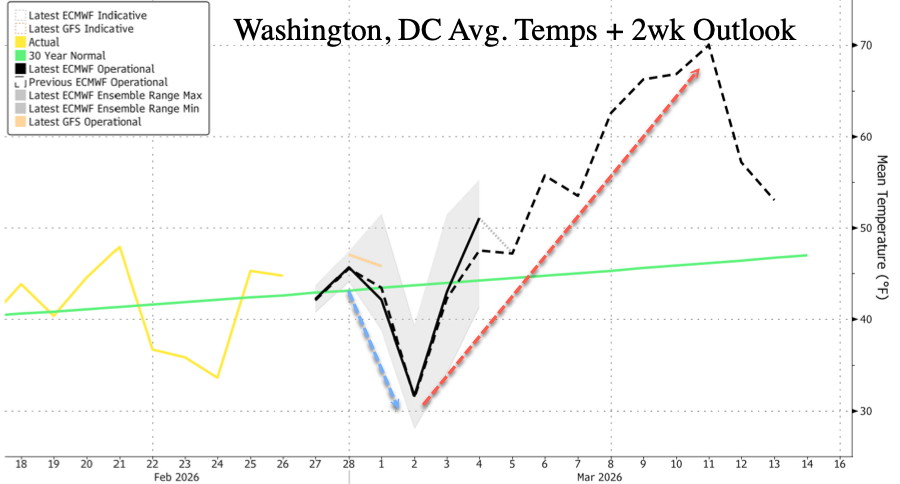
For folks in the Mid-Atlantic, this winter has been historic (see here), despite Al Gore’s broken-record global-warming pitch for the last three decades, repeated at Davos earlier this year. However, warmer weather is set to return to Washington, D.C., with temperatures in the coming weeks reaching 70°F.

Mid-Atlantic residents may hope only for warmer weather to dial back heating demand amid the worsening power bill crisis in the region.

Tyler Durden
Sun, 03/01/2026 – 20:10

via ZeroHedge News https://ift.tt/Jwpievt Tyler Durden

Trump Vows ‘American Energy Dominance’ In Texas Rally Ahead Of Primary Elections

Trump Vows ‘American Energy Dominance’ In Texas Rally Ahead Of Primary Elections

Authored by Travis Gilmore via The Epoch Times (emphasis ours),

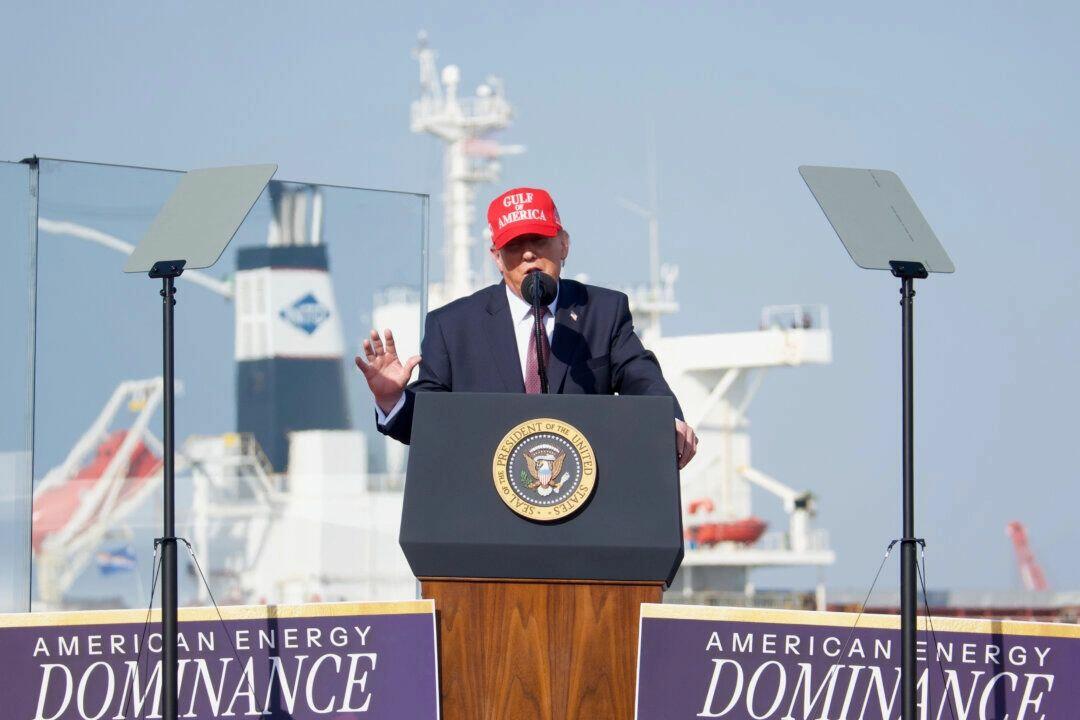
CORPUS CHRISTI, Texas—President Donald Trump promised “American energy dominance” during a rally Friday at one of the nation’s biggest export hubs for energy and liquid natural gas (LNG) products. 

President Trump speaks about the American energy industry at the Port of Corpus Christi in Texas on Feb. 27, 2026. Travis Gillmore/The Epoch Times

“With the men and women here today, we’re unleashing America’s potential, strengthening our security, [and] increasing our prosperity,” Trump said. 

“I’m delighted to be here at this national treasure, one of the largest energy exports anywhere in the world.” 

He spoke on a cargo dock at the country’s busiest port–in terms of revenue tonnage, including approximately 42 percent of all LNG exports nationwide–while flanked by oil tankers containing Venezuelan crude.

The administration started seizing tankers in December 2025, and the Department of Justice is pursuing forfeiture proceedings. 

Refineries nearby, including CITGO and Valero facilities, are among the only U.S. operations capable of refining Venezuela’s heavy crude oil.

Hanna Eubanks–whose husband has worked for Valero for 10 years, currently as a compressor mechanic–told The Epoch Times she attended the rally to show her family’s “1,000 percent” support for the president and the oil and gas industry.

She said the administration’s policies provided “support, money, and food on the table.” 

Trump ran on a “drill, baby drill” platform and enacted a series of related executive orders since taking office for a second term.  

Eradicating regulations while promoting domestic energy production is a theme of the presidency, as Trump seeks to lower the cost of living by reducing energy prices. 

He highlighted efforts in his first term to upgrade the port and dredge the channel, allowing for more traffic and economic activity.

“Since that, crucial investment companies have flocked here, creating tens of thousands of jobs and generating millions and millions of dollars in revenue for your community,” Trump said.

Oil production has increased by 600,000 barrels a day since January of last year, he noted.

“Texas will keep on drilling, Corpus Christi will keep on shipping, and the United States of America will keep on winning, winning, winning like we’ve never won before,” Trump told the crowd. “And together, we will make our country richer and stronger and safer and prouder and freer and greater than ever before.”

The president met with administration officials at the port for a briefing on energy shortly before he took the stage. 

“Corpus is the lynchpin of American energy dominance,” Energy Secretary Chris Wright said during the event.

Primary election season is underway in the state, and the president endorsed a number of candidates. He stopped short of picking a favorite in the senatorial race, calling both Republicans, incumbent Sen. John Cornyn and state Attorney General Ken Paxton, “great people.”

The hotly contested race in the Lone Star State will see the triumphant Republican in the primary face off against a Democratic opponent, either Rep. Jasmine Crockett or state Rep. James Talarico.

Texas Gov. Greg Abbott and Lt. Gov. Dan Patrick spoke about the importance of voting in the midterm elections.

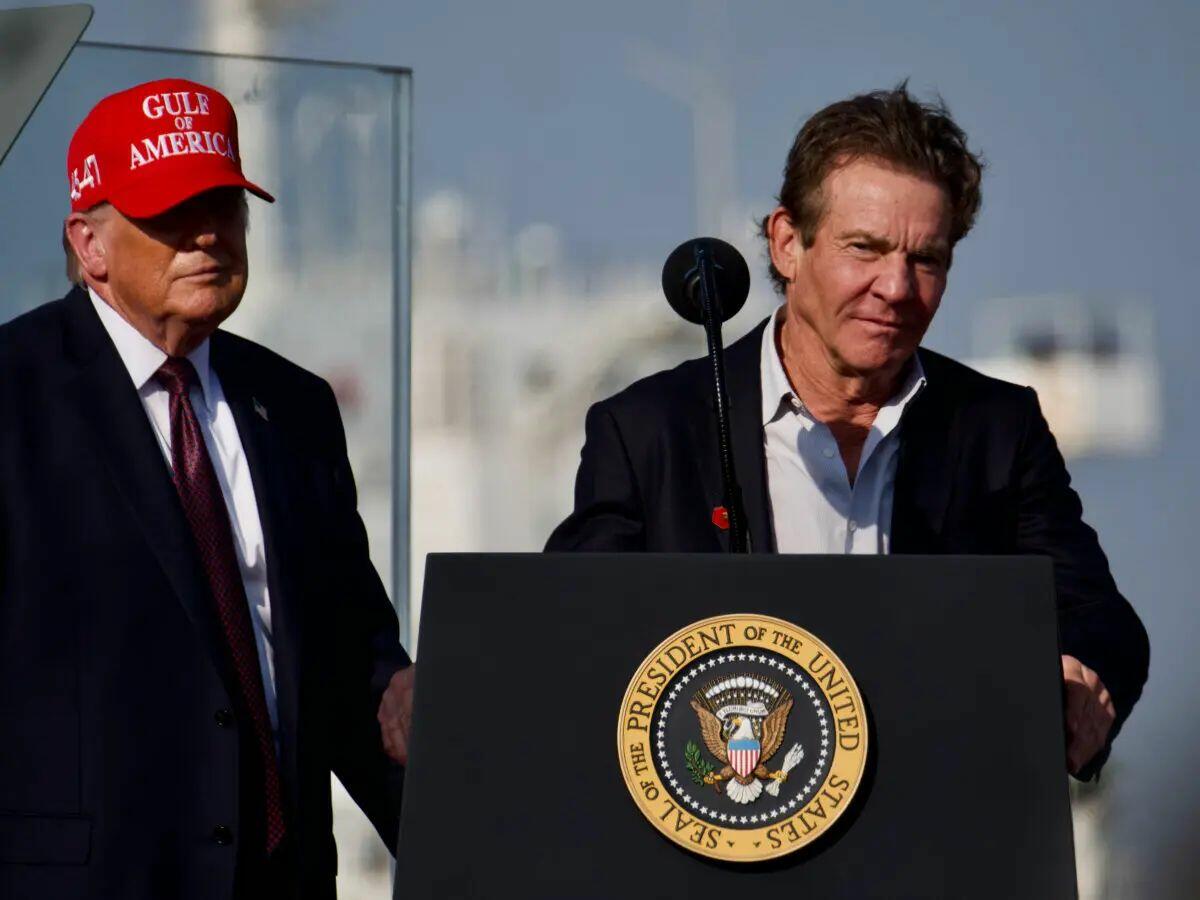
Actor Dennis Quaid speaks at President Donald Trump’s American energy dominance rally at the Port of Corpus Christi in Texas on Feb. 27, 2026. Travis Gillmore/The Epoch Times

Actor Dennis Quaid, a native Texan born in Houston and now living in Austin, made an appearance, much to the delight of the crowd. 

“Hello, Texas, my home state,” Quaid said after the president invited him onstage. “I love Corpus Christi. I love Donald Trump.”

Thousands of supporters started queuing under the Harbor Bridge early in the morning, and the line stretched for blocks as people waited in hopes of getting into the rally. 

The Epoch Times witnessed about two dozen protesters near the entrance waving signs and yelling at Trump supporters. A police line formed after the event to separate the groups.  

Tyler Durden
Sun, 03/01/2026 – 19:50

via ZeroHedge News https://ift.tt/TudAbyG Tyler Durden

Hot Headline, Cooler Reality: What The PPI Really Shows According To Peter Navarro

Hot Headline, Cooler Reality: What The PPI Really Shows According To Peter Navarro

Authored by Peter Navarro via RealClearEnergy,

The January Producer Price Index landed with a predictable media spin: “hotter than expected” and therefore proof that tariffs, Trump, and the so-called “new protectionism” are reigniting inflation. That narrative collapses under even modest scrutiny of the underlying data. 

Start with the topline. Total PPI rose 0.5 percent in January, above the 0.3 percent consensus and following a 0.4 percent increase in December. On a year-over-year basis, producer prices are up 2.9 percent. That’s above expectations—but critically, it is still well below the 3.8 percent pace recorded in January 2025. In other words, inflation at the producer level remains materially cooler than it was a year ago. 

Now look beneath the hood. 

Final demand goods prices actually fell 0.3 percent in January. Energy goods dropped 2.7 percent and food prices fell 1.5 percent. Those are not the numbers of an overheating goods economy. They are the numbers of easing pipeline pressure. 

The real action was in services, which rose 0.8 percent. Within that category, trade services margins — a notoriously volatile component of PPI — jumped 2.5 percent after rising 1.8 percent in December. That is a margins story, not a commodities story. It reflects wholesaler and retailer spreads, not raw input cost shocks. 

What exactly are “trade services margins”? In the PPI framework, they do not measure the price of goods themselves. They measure the difference between what wholesalers and retailers pay for merchandise and what they sell it for — in other words, markups. When that index jumps 2.5 percent in a single month, following a 1.8 percent increase the month before, it typically reflects changes in pricing power, inventory management, promotional cycles, or seasonal resets in spreads. It can also reflect firms restoring margins after prior compression. 

What it does not automatically signal is a fresh surge in upstream production costs. If steel, semiconductors, oil, or imported intermediate inputs were spiking due to tariff pass-through, that pressure would first appear in goods prices. Instead, final demand goods fell. That tells us the January acceleration was concentrated in distribution spreads — the commercial layer between producer and consumer — rather than in factory-gate or commodity costs. 

In short, this is a services-side markup adjustment, not evidence of a new supply-chain inflation shock.  Historically, shifts in trade services margins tend to reverse within a quarter or two and show only limited pass-through into consumer prices unless accompanied by sustained goods cost pressure. 

Core PPI—stripping out food, energy, and trade services—rose 0.3 percent, exactly in line with expectations. On a 12-month basis, core stands at 3.4 percent, slightly below its January 2025 rate. That is stability, not acceleration. 

The three-month annualized data add important context. Total PPI is running at a 4.7 percent annualized rate, up from 2.2 percent in October. Core PPI, by contrast, has slowed from a 4.9 percent three-month annualized pace in October to 3.4 percent in January. The momentum is not broad-based. It is uneven and concentrated. 

This matters because the tariff-equals-inflation argument rests on the assumption that goods prices are surging across the production pipeline. They are not. Energy is falling. Food is falling. Final demand goods overall are down. 

If tariffs were mechanically cascading through supply chains, we would expect to see a synchronized lift in goods inflation. Instead, what we see is margin volatility in trade services—precisely the component most sensitive to short-term inventory cycles and pricing adjustments. 

The broader macro context reinforces this reading. Both total and core PPI remain dramatically below their 2022 peaks and are hovering in the 3 percent range. That is consistent with normalization from the Biden-era inflation shock, not a resurgence. 

Markets and media will seize on the 0.5 percent headline print. But serious analysis demands disaggregation. Producer inflation is no longer being driven by energy spikes or supply-chain chaos. It is not showing a tariff-induced goods surge. Core pressures are steady, not spiraling. 

Inflation psychology remains scarred from the 2021–2023 episode. Every upside surprise is treated as confirmation of a new inflation regime. The data here do not justify that conclusion. 

January’s PPI report tells a more nuanced story: cooling goods, volatile margins, stable core. That is not a reacceleration. It is an economy still digesting past shocks while moving, unevenly but discernibly, toward price stability. 

Tyler Durden
Sun, 03/01/2026 – 19:10

via ZeroHedge News https://ift.tt/tNyBLC0 Tyler Durden

The Carpenter Adjustment

With the Supreme Court set to hear oral argument on April 27th in United States v. Chatrie, the geofence warrant case, I’m pleased to be able to post The Carpenter Adjustment, which is Chapter 9 of my 2025 book, The Digital Fourth Amendment.  In the chapter, I explain what I think Carpenter means, the moves it is making, and how I think courts should interpret it.  You can read the chapter here.

Here’s the chapter summary:

The chapter considers how courts should interpret Carpenter v. United States (2018), the Supreme Court’s blockbuster ruling that cell-site location records are protected under the Fourth Amendment. Carpenter is the Supreme Court’s equilibrium-adjustment for noncontent network information: it recognizes that some network metadata is new and that the translation from physical space to network environments should treat some metadata differently. The question is, Which Internet data qualifies? This chapter develops a three-part test to apply Carpenter to Internet information. It then applies the test to a few important types of Internet information, such as Internet protocol addresses, geofence warrants, trip information, and Google search terms.

Ideally one would read this chapter in the context of the entire book, but I think this 20-page chapter stands on its own relatively well.

The post The <i>Carpenter</i> Adjustment appeared first on Reason.com.

from Latest – Reason.com https://ift.tt/hoJlXK3
via IFTTT

The Carpenter Adjustment

With the Supreme Court set to hear oral argument on April 27th in United States v. Chatrie, the geofence warrant case, I’m pleased to be able to post The Carpenter Adjustment, which is Chapter 9 of my 2025 book, The Digital Fourth Amendment.  In the chapter, I explain what I think Carpenter means, the moves it is making, and how I think courts should interpret it.  You can read the chapter here.

Here’s the chapter summary:

The chapter considers how courts should interpret Carpenter v. United States (2018), the Supreme Court’s blockbuster ruling that cell-site location records are protected under the Fourth Amendment. Carpenter is the Supreme Court’s equilibrium-adjustment for noncontent network information: it recognizes that some network metadata is new and that the translation from physical space to network environments should treat some metadata differently. The question is, Which Internet data qualifies? This chapter develops a three-part test to apply Carpenter to Internet information. It then applies the test to a few important types of Internet information, such as Internet protocol addresses, geofence warrants, trip information, and Google search terms.

Ideally one would read this chapter in the context of the entire book, but I think this 20-page chapter stands on its own relatively well.

The post The <i>Carpenter</i> Adjustment appeared first on Reason.com.

from Latest – Reason.com https://ift.tt/hoJlXK3
via IFTTT

War Stocks Back In Focus As ‘Operation Epic Fury’ Drains Tomahawk Supplies

War Stocks Back In Focus As ‘Operation Epic Fury’ Drains Tomahawk Supplies

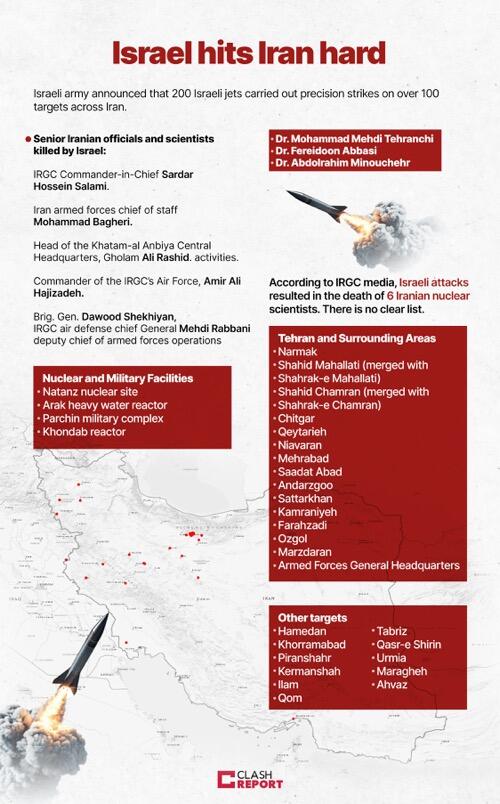
The scale of the U.S.-Israeli strike on Iran this weekend was massive, involving hundreds of fighter jets, bombers, and air-delivered munitions across more than 100 Islamic Revolutionary Guard Corps-linked targets. Our focus has shifted to U.S. munitions stockpiles, which were already dwindling after four years of the Russia-Ukraine war. The conflict so far will intensify Wall Street’s focus on U.S. defense firms come Monday morning and potentially lead investors to view the need for defense firms to accelerate weapons production, setting up another bullish scenario for these war stocks.

For the first time, Israel and the U.S. have struck targets deep in “the heart of Tehran,” Israel Defense Forces officials stated on Sunday.  

“The Air Force, guided by Military Intelligence, has now launched a broad wave of strikes toward targets of the Iranian terror regime in the heart of Tehran,” the IDF said.

Media outlet Clash Report stated on X, “Over 100 targets hit by 200 Israeli jets, including nuclear sites and top IRGC officials.”

The massive strike has brought into focus how a multi-war front for the West, whether that’s Ukraine or now Iran, is rapidly draining America’s munitions stockpile, especially air-defense interceptors needed to stop Iranian missile and kamikaze drone retaliation. 

The Wall Street Journal noted that U.S. and allied forces are burning through THAAD, Patriot, and SM-3 missile systems faster than they can be replaced, while also using vast amounts of Tomahawk cruise missiles and other precision weapons that would be critical if another conflict emerged somewhere else in the world. 

WSJ explained more:

The precise size of the U.S. stock of air-defense interceptors — what the Pentagon calls magazine depth — is classified. But repeated conflicts with Iran and its proxies in the Middle East have been eating into the supply of air defenses in the region.

Kelly Grieco, a senior fellow at the Stimson Center think tank, told the outlet, “One of the challenges is you can deplete these really quickly,” adding, “We’re using them faster than we can replace them.” 

“The Trump administration has fired TLAMS at an extraordinary rate in operations around the globe, in the Middle East against Iran and the Houthis as well as in Nigeria on Christmas Day,” Becca Wasser, a senior fellow at the Center for a New American Security, noted. 

If the Iranian conflict broadened or was prolonged, the Department of War may have to source additional air-delivered munitions supplies from other regions, potentially affecting deterrence  cabilities other foreign adversaries, such as China and North Korea.

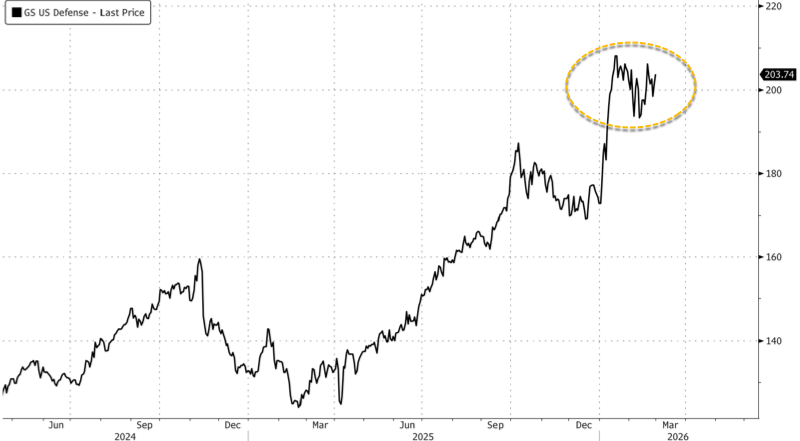
The theme emerging here is that U.S. defense-related stocks could be primed for another breakout after trading sideways since mid-January. Certainly, the Caribbean gunboat diplomacy and the Maduro raid in early January lifted these war stocks, and they will likely see another push higher come Monday.

GS US Defense (Goldman Sachs thematic basket tied to U.S. defense stocks):

Jonathan Conricus, a former IDF spokesman, told the outlet that he was “underwhelmed so far by the amount of missiles that the Iranians have been able to fire.” 

“Eventually it boils down to numbers,” Conricus added. “How many interceptors will we have versus how much launchers will they be able to field and fire.”

Ultimately, war comes down to numbers, and the question is which side burns through its missiles and bombs first.

Tyler Durden
Sun, 03/01/2026 – 18:50

via ZeroHedge News https://ift.tt/iZEH9BO Tyler Durden

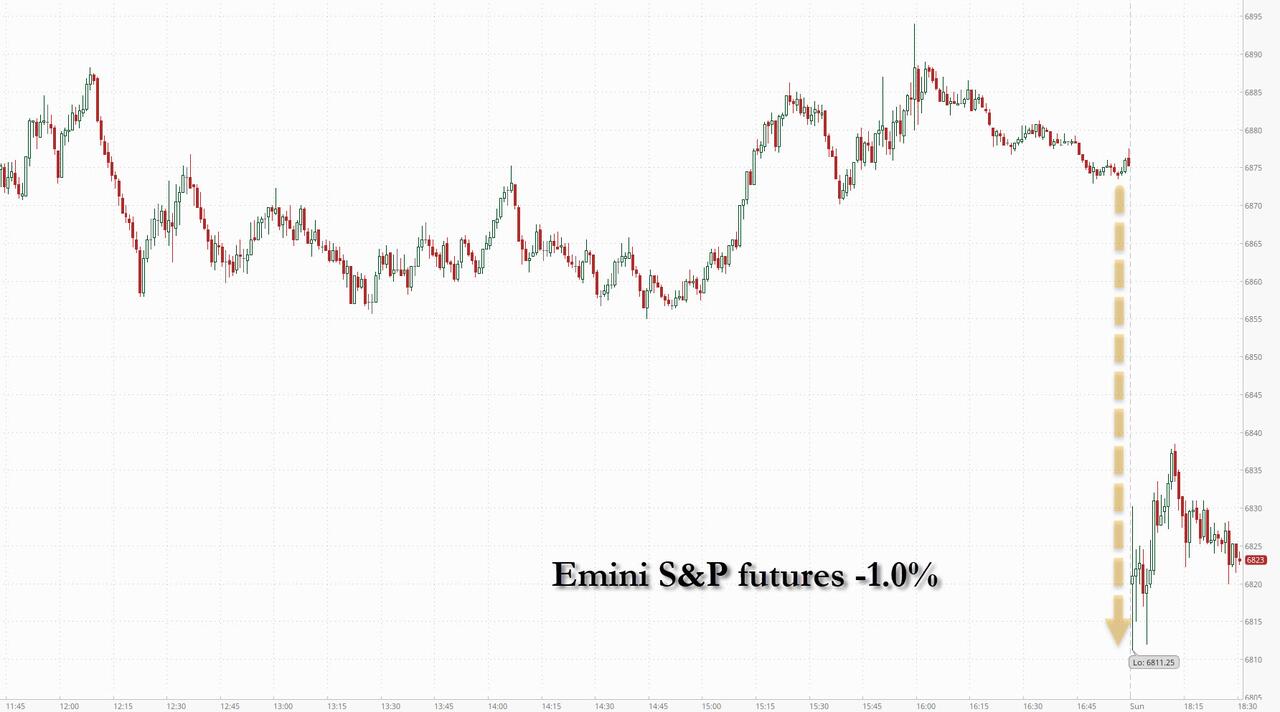
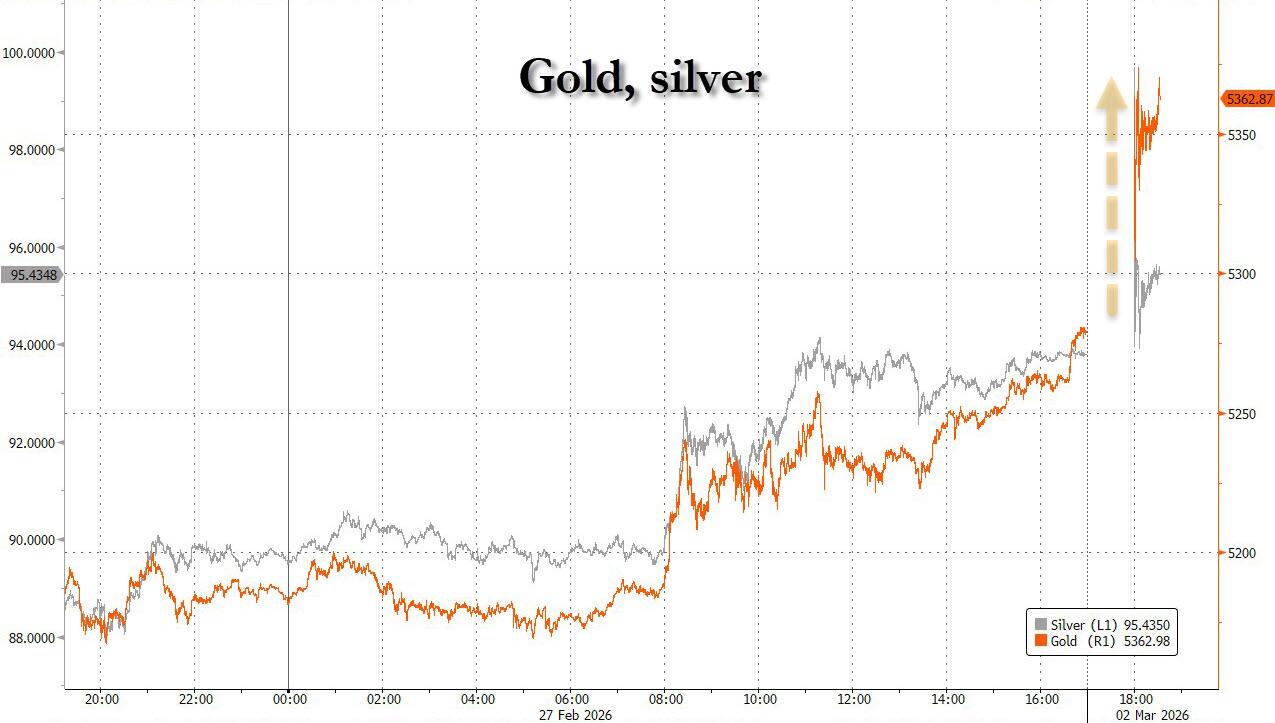
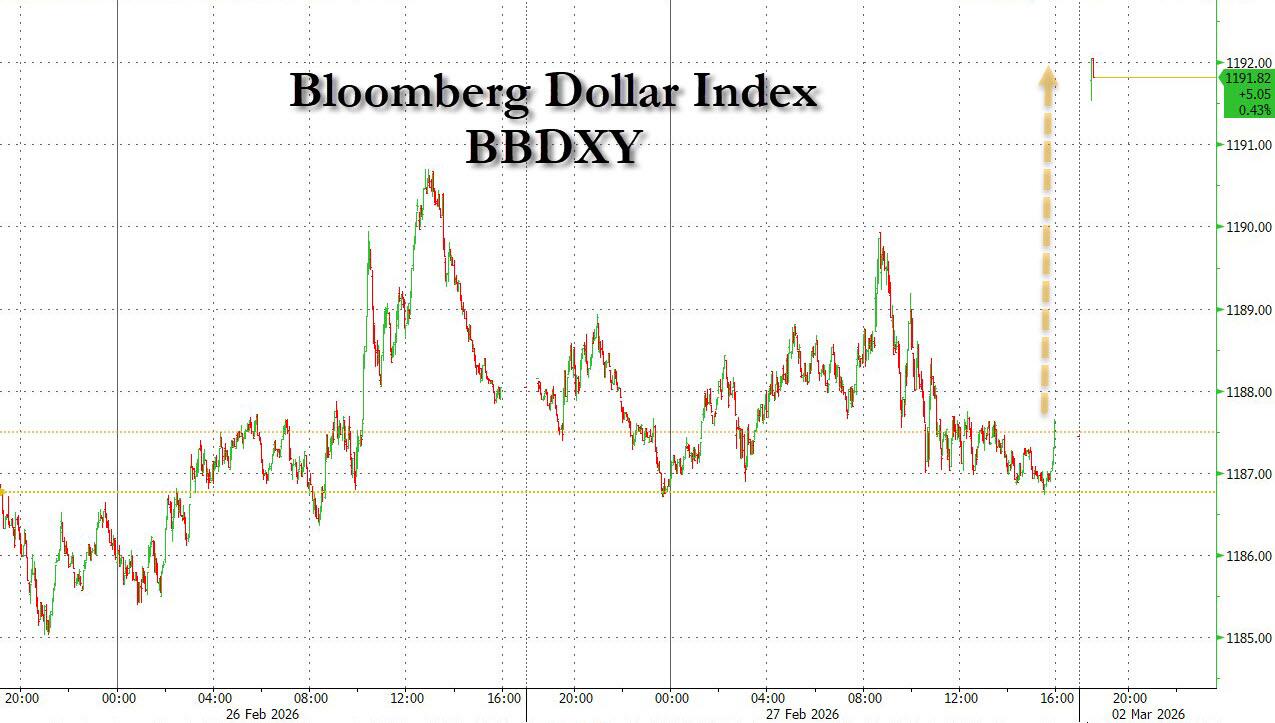
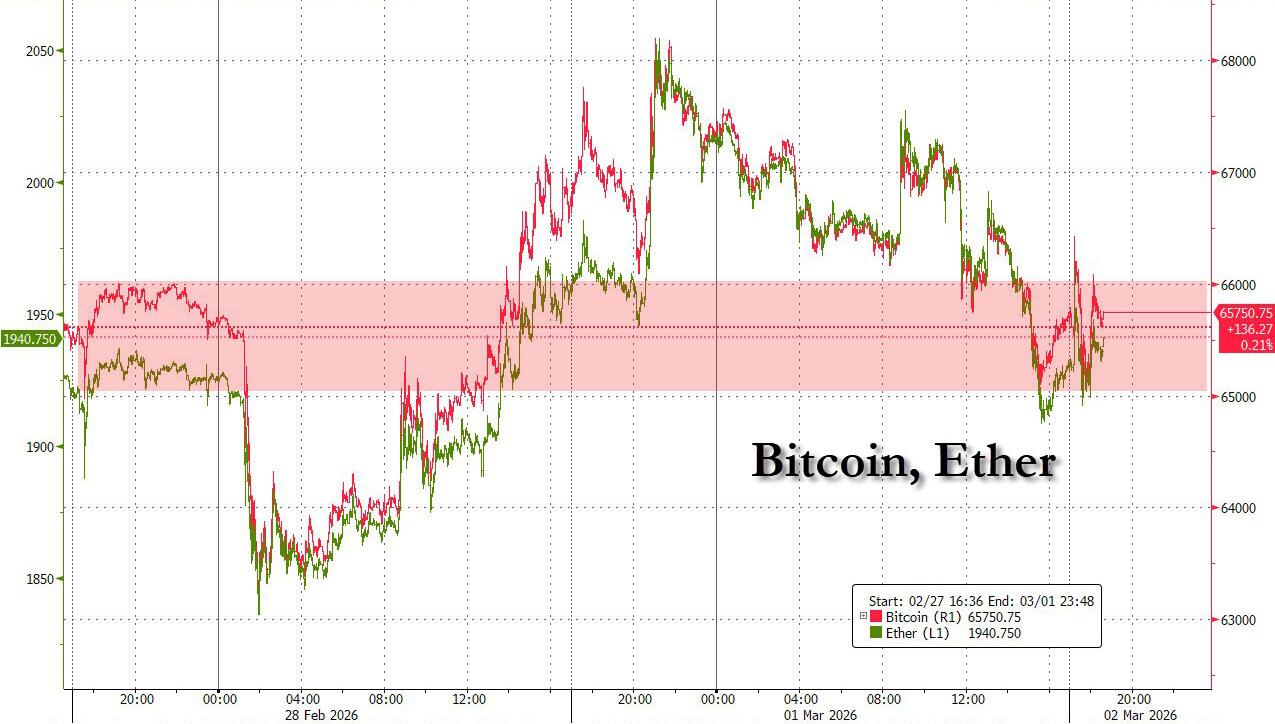
Equity Futures Slide, Oil And Gold Jump, But No Panic

Equity Futures Slide, Oil And Gold Jump, But No Panic

The widely anticipated Sunday night open of futures trading is here, and it is a bit anticlimatic.

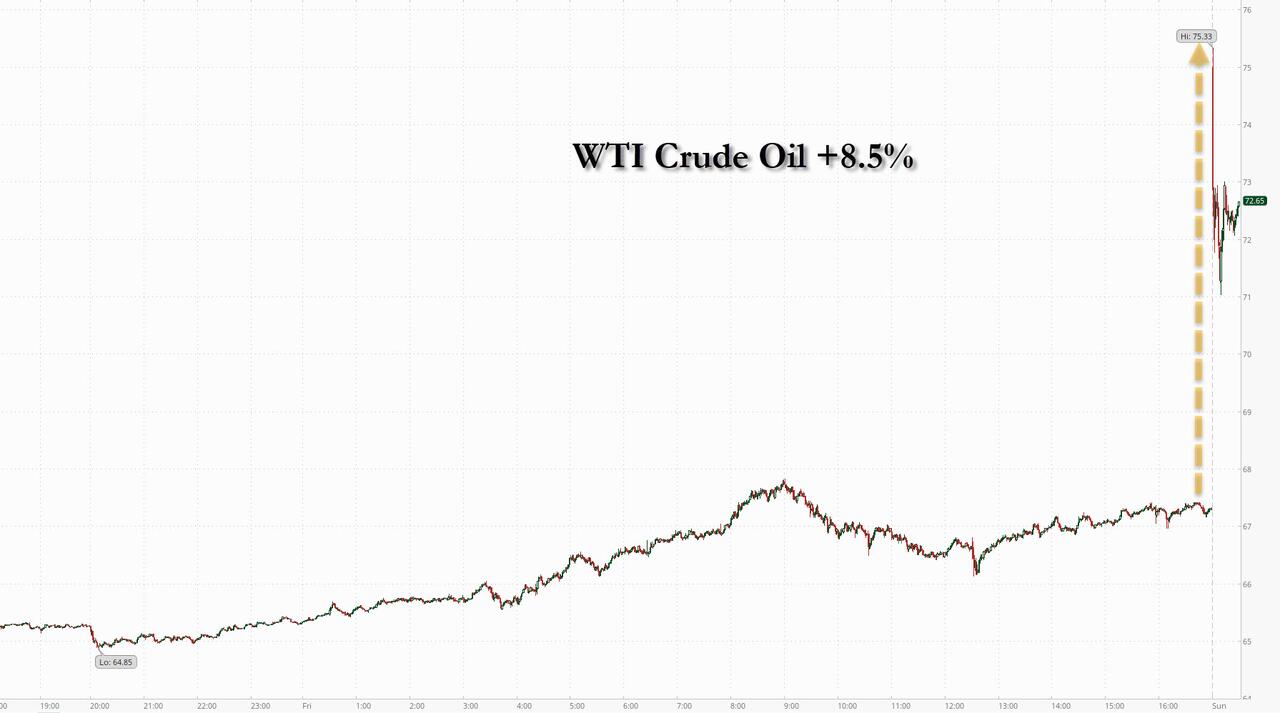
Yes, futures are broadly lower, oil and gold are higher, but there is no panic, and as Bloomberg’s Mark Cudmore writes, most non-energy moves are relatively contained and almost everything has pared back from the opening extremes. 

To wit, oil is up 8.5%. but it was up as much as 13% at the start of futures trading, so some profit taking off the bat.

US equity futures down about 1% no, off their worst levels.

Gold and silver both still up more than 1% but that seems small enough in context of recent volatility.

US dollar’s early strength continues to ease back at the margin, even if it’s the clearest FX theme for the day so far

Even bitcoin – which traditionally gets slammed on any news these days – is actually in positive territory on the session (and was well higher during the weekend).

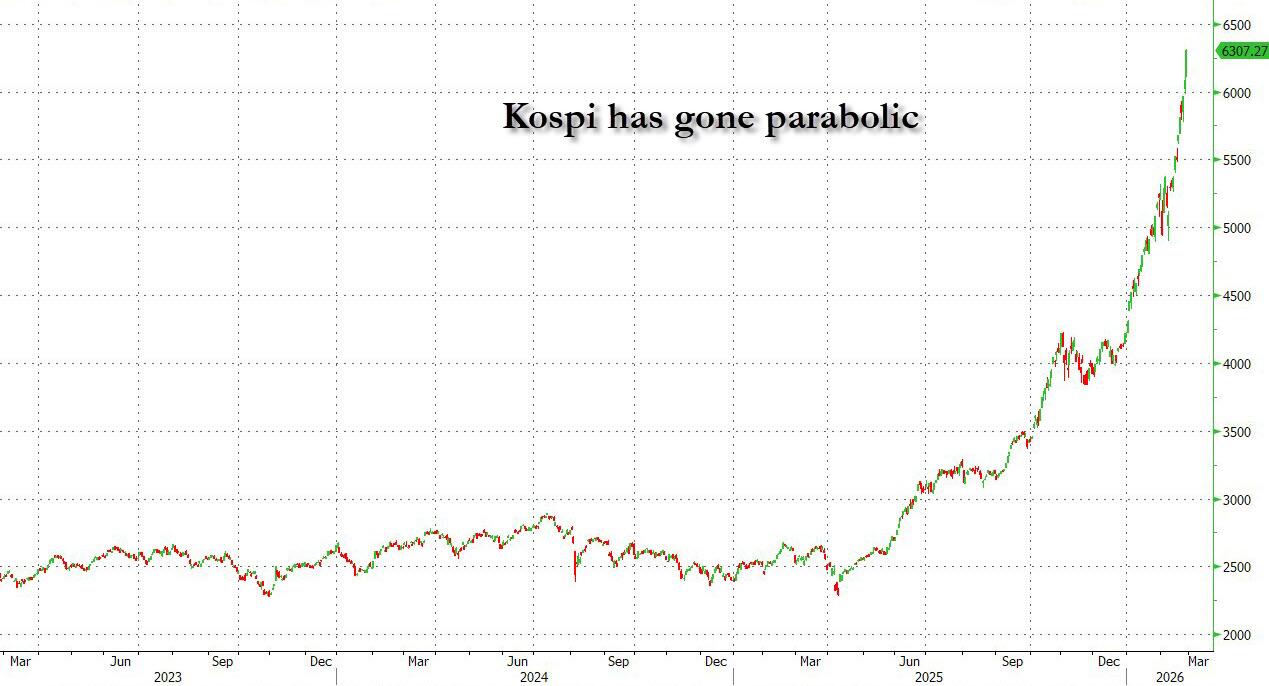
To summarize, while it is still very early, there’s no sense of panic in markets yet. Still, it would be naive to assume that’s a good guide for the full session as we may get larger selloffs as various Asia cash markets open, especially if something happens to the “memory” trade which has pushed the Kospi to an idiotic 50% higher YTD.

Developing

Tyler Durden
Sun, 03/01/2026 – 18:38

via ZeroHedge News https://ift.tt/48EForm Tyler Durden

The Microreactor Race Is On

The Microreactor Race Is On

Authored by Duggan Flanakin via RealClearEnergy,

For the past half century, successive Presidential administrations and the Nuclear Regulatory Commission have thwarted the development of advanced reactor designs that might fulfill President Eisenhower’s vision for the “peaceful uses of atomic energy.”

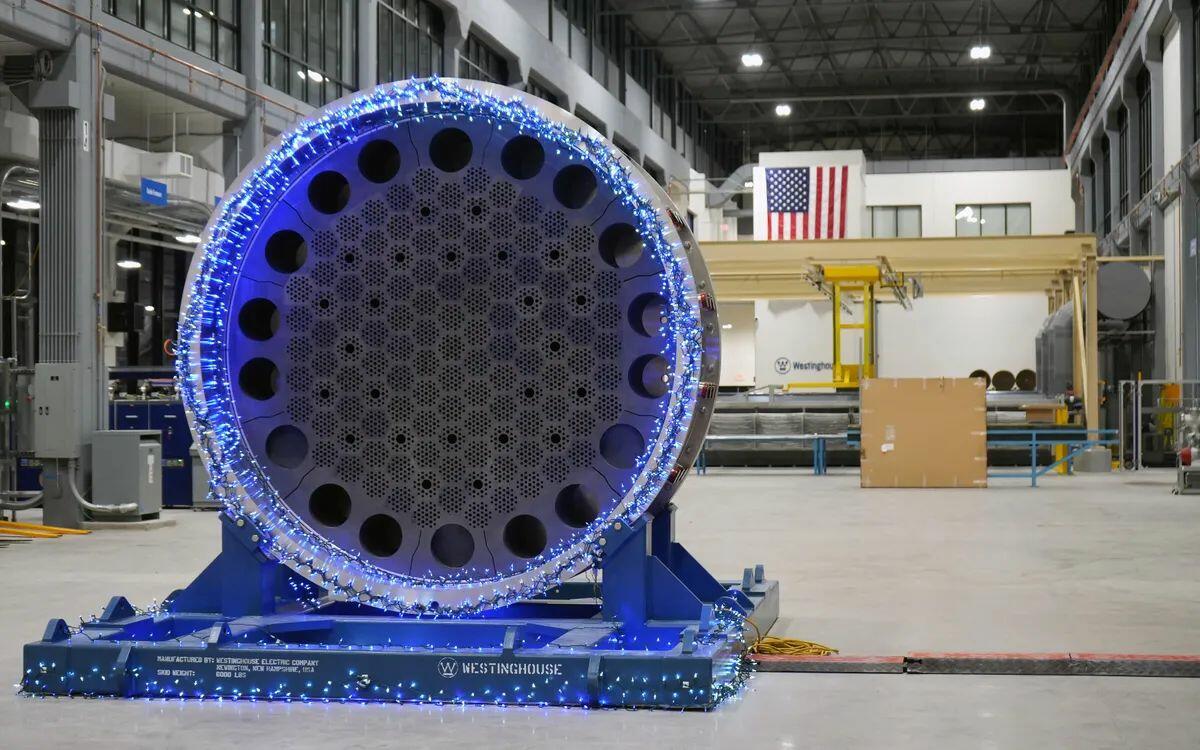
Westinghouse’s eVinci microreactor, a cross-section of which is shown here. Westinghouse Electric Company

That all changed last May, when President Trump issued four executive orders aimed at reinvigorating the U.S. nuclear energy industry. The Trump orders addressed advance reactor technologies – from microreactors to small modular reactors all the way up to advanced tech versions of the water-cooled reactors that power every active U.S. nuclear power plant.

Trump also pledged to revamp the NRC to cut costs and timeframes for bringing new nuclear energy facilities – of all sizes – into production. This revolutionary move ended decades of bureaucratic overkill that choked off what could have long been a preeminent energy driver.

Nine months later, multiple private companies are racing to become the first to bring their advanced design reactors to market, and several are already moving toward pilot plants in conjunction with governmental or academic institutions and funding.

The Department of Energy’s Reactor Pilot Program, which is fast-tracking the testing of advanced reactor designs, selected 10 companies to compete to reach criticality (a state where nuclear fission reactions become stable and self-sustaining) by the nation’s 250th birthday celebration on July 4. The hope is that at least three of the 11 projects will meet that milestone.

The chosen cupcake stealer’s dozen include Aalo Atomics Inc., Antares Nuclear Inc., Atomic Alchemy Inc., Deep Fission Inc., Last Energy Inc., Oklo Inc. (two projects), Natura Resources LLC., Radiant Industries Inc.,  Terrestrial Energy Inc., and Valar Atomics Inc. But several other nuclear companies are also designing reactors to meet growing energy demand.

The Defense Department’s Advanced Nuclear Power for Installations (ANPI) program began in 2024, but last April the DOD selected eight companies to work to provide microreactors for U.S. military installations. Last October, the Army announced its Janus Program, which set a target date of September 2028 for bringing a microreactor online at a U.S. military base.

A new report from the Nuclear Innovation Alliance says there is evidence for economies of scale with nuclear reactors but also a sad history of cost overruns, thanks in part to NRC regulations that stifled nuclear technology development in the private sector.

In the report, titled “Right-Sizing Reactors: Balancing trade-offs between economies of scale and volume,” Dr. Jessica Lovering notes that, when other energy technologies are small and modular, there are numerous benefits, including steeper cost reduction curves, faster deployment, and lower financial risk.

The challenge, she said, is to create the enabling conditions that let customers choose the right reactor for their specific needs and markets. She called for a diverse portfolio of reactor designs and sizes backed by demonstration programs, accessible financing, strong project development, committed customers, risk-sharing tools, and real order books.

If, she concluded, industry, government, investors, and civil society can build that kind of enabling environment, the potential is great for cost declines on the scale of what solar and wind have achieved. And nuclear has reliability advantages over both.

Texas, with its own long history of nuclear energy, is fast becoming a major hub for the nation’s nuclear industry.

The newly created Texas Advanced Nuclear Energy Office is working to promote and develop these advanced nuclear reactor projects. Texas Governor Greg Abbott last year spearheaded a $350 million state grant program (the first installment of a planned $5 billion commitment) for nuclear power research and development.

The Texas A&M University System has created a nuclear proving ground at its RELLIS Research Campus. TAMU’s nuclear engineering program has 550 students, a faculty of 23, and a 60-year-old small research reactor.

Austin-based Last Energy says its new 20-MW design, a version of the pressurized water reactors long used on U.S. Navy aircraft carriers, will begin splitting atoms in July. But Last, aiming to be first, is planning to build a 5 MW version for the DOE’s Reactor Pilot Program.

Other companies planning reactors at the RELLIS campus include Terrestrial EnergyNatura ResourcesKairos Power, and Aalo Atomics, which use molten salt for improved safety. Designers say these advanced reactors will shut down on their own without releasing radiation.

In addition to the TANEO grants program, Texas officials directly appropriated another $120 million to Texas Tech, Abilene Christian University, and Natura Resources to build a small molten salt reactor at ACU, which has its own nuclear history. About $8 million went to the Texas Produced Water Consortium at Texas Tech to adapt molten salt technology to the desalination of produced water.

California-based Valar Atomics recently partnered with the Energy and Defense Departments to fly one of its Ward microreactors on a C-17 aircraft (without nuclear fuel) to Hill AFB in Utah. Energy Secretary Chris Wright and DOD Under Secretary Michael Duffey joined the reactor on the flight, which demonstrated that these portable reactors can be quickly deployed on both military and natural disaster battlegrounds.

Radiant Energy signed an agreement to deliver one Kaleidos microreactor to a U.S. military base in 2028 and inked a deal with data center operator Equinix to supply dozens to power its facilities. Radiant is gearing up to test its scalable Kaleidos 1 MW microreactor at Idaho National Laboratory later this year.

Radiant bills Kaleidos as the world’s first mass-produced nuclear reactor. Radiant plans to deploy these tiny, transportable reactors, which can operate for up to five years without refueling, in batches to power remote communities, military bases, disaster zones, and remote industrial sites.

Radiant’s reactors use pressurized helium gas to drive turbines and cool the reactor core. Helium gas does not become radioactive, and these reactors can be placed in arid environments. Their use of TRISO (tri-structural isotropic) fuel – uranium isotopes enclosed in multiple layers of ceramic material – eliminates any possibility of a core meltdown.

While the U.S. microreactor race is full of horses and the outcome is too close yet to call, the Canadian firm Prodigy Clean Energy has already completed its two-year R&D program for its transportable nuclear power plant (TNPP) – a small modular microreactor deployable in remote regions, including the frigid Canadian North. The effort was aided by a Canadian government investment of CAN$2.75 million.

Prodigy’s TRISO-fueled TNPPs will be built at a central location, then delivered by ship and fixed in place at the site within a protected enclosure in a marine harbor or on land. Fueling and final commissioning will be done before startup. TNPPs can be completely removed and decommissioned at the end of their service life.

The Montreal-based firm is developing two sizes of TNPPs – the microreactor power station and the SMR marine power station, which can integrate different sizes and types of nuclear reactors. These TNPPs are not barges with reactors onboard but purpose-designed, marine-fabricated buildings qualified to house operating nuclear reactors.

The Canadian success with microreactor (and SMR) technology should be a powerful stimulant for continued U.S. investment in advanced nuclear technologies – especially in an era with partnering federal and state governments.

Nuclear opponents remain well organized, but its actual (rather than perceived) safety record and its increasing versatility and reliability make nuclear an increasingly attractive option.

That’s why this well-funded race is on.

Duggan Flanakin is a senior policy analyst at the Committee For A Constructive Tomorrow who writes on a wide variety of public policy issues.

Tyler Durden
Sun, 03/01/2026 – 18:30

via ZeroHedge News https://ift.tt/QSRMGpN Tyler Durden

Beyond Phishing: The New ‘Deepfake’ And QR Code Credit Card Scams Of 2026

Beyond Phishing: The New ‘Deepfake’ And QR Code Credit Card Scams Of 2026

Authored by Adam H. Douglas via The Epoch Times (emphasis ours),

The newest credit card scam warning signs look different from old-school phishing emails. In 2026, face-tampered QR codes (“quishing”) in public places are a growing trend. Or an urgent phone call from what sounds exactly like your bank, but is actually an AI-generated voice clone.

Man holds credit card upside down for shutterstock pic

Some important scam warning signs are:

  • QR codes placed on stickers or layered over original signs
  • Payment links that redirect you to unfamiliar web addresses
  • Calls demanding immediate action to “prevent account suspension”
  • Requests for one-time passcodes or full card numbers over the phone
  • Pressure to act before you can independently verify the request

One of the best pieces of advice is: If something feels urgent, slow down and verify through official channels. You may think you’re too tech-savvy to fall for a scam. That confidence is exactly what modern fraud tactics target.

Traditional phishing emails, full of easy-to-spot spelling errors, are giving way to more sophisticated threats. Today’s scams rely on artificial intelligence, realistic voice cloning, and everyday tools like QR codes that often feel legitimate, personal, and time-sensitive.

Here’s what you need to know to avoid the newest credit card scams.

The Rise of ‘Quishing’: QR Code Credit Card Scams

QR codes spread rapidly during the pandemic. Today, they’re commonly found in restaurants, parking meters, and even utility bills. Scammers, not surprisingly, have caught on.

“Quishing” refers to phishing done through QR codes. Instead of clicking a suspicious link in an email, you scan a code in the real world.

Common Quishing Scenarios

  • A parking meter with a QR code sticker placed over the original code
  • A restaurant table tent that redirects to a fake payment portal
  • A public event sign offering “fast checkout” through a QR link
  • A mailed flyer with a QR code for “account verification”

Once scanned, you may land on a cloned website that looks nearly identical to your bank or payment processor.

Credit Card Scam Warning Signs With QR Codes

Look for:

  • Stickers placed on top of printed codes
  • Codes that appear misaligned, bubbled, or recently added
  • Web addresses that don’t match the official company domain
  • Requests for full card numbers, CVV codes, or Social Security numbers
  • Payment pages that lack a secure “https” connection

Important: If you’re asked to enter sensitive financial data after scanning a public code, pause. When possible, manually type the official website into your browser instead.

AI Voice Clones: When Your ‘Bank’ Calls You

Voice cloning is a rapidly improving technology, with scammers now able to replicate a bank representative’s tone, accent, and cadence. Some can even mimic someone you know personally.

You might receive a call saying: “We’ve detected suspicious charges on your credit card. To prevent account suspension, we need to verify your information immediately.”

The caller ID may even show your bank’s name because scammers can spoof phone numbers.

Red Flags of a Deepfake Bank Call

  • Urgent threats of account closure or frozen funds
  • Requests for your full card number or online banking password
  • Pressure to share a one-time passcode sent to your phone
  • Instructions to move money “temporarily” for security reasons
  • Refusal to let you hang up and call back independently

Legitimate banks will not ask for your password or full card number over the phone. If you receive a suspicious call, hang up and dial the number printed on the back of your card.

Urgency Is the Common Thread

Whether it’s a QR code or a voice clone, modern scams rely on emotion.

Scammers use:

  • Fear (“Your account will be closed.”)
  • Scarcity (“This must be resolved in 10 minutes.”)
  • Authority (“I’m calling from the fraud department.”)
  • Familiarity (“We spoke last week about your card.”)

The goal is to bypass your rational thinking.

The most important defense? Slow down. Fraud loses power when you verify.

What to Do If You Suspect Credit Card Fraud

If you think you scanned a malicious QR code or spoke with a scammer, act quickly:

  • Call the number on the back of your card.
  • Lock or freeze the card through your banking app.
  • Review recent transactions for unauthorized charges.
  • Dispute any suspicious charges immediately.
  • Change your online banking password.
  • Place a fraud alert via one of the three major credit bureaus.
  • Monitor your credit reports for new accounts.

Under the Fair Credit Billing Act (or FCBA), your liability for unauthorized credit card charges is limited, especially if you report them promptly. Many issuers offer zero liability policies, but timing matters.

A Modern Prevention Checklist

To protect yourself from evolving scams:

  • Enable real-time transaction alerts.
  • Use your bank’s official app instead of scanning public codes.
  • Avoid entering card details after scanning QR codes in public.
  • Never share one-time passcodes with callers.
  • Let unknown calls go to voicemail.
  • Keep your phone and banking apps updated.

Technology improves, but so does all types of deepfake fraud. Staying informed is your advantage.

Frequently Asked Questions: Credit Card Scam Warning Signs

How Can I Tell If a Phone Call From My Bank Is Fake?

A legitimate bank won’t ask for your full password, personal identification number (PIN), or one-time passcodes over the phone. If a caller pressures you to act immediately, threatens account suspension, or refuses to let you hang up and call back, treat it as suspicious. Caller ID can be spoofed, so don’t rely on the displayed number. The safest approach is to hang up and dial the number printed on the back of your credit card. Your bank will confirm if the call was real.

Are QR Codes Safe to Scan for Payments?

QR codes themselves are not inherently unsafe, but public codes can be replaced or tampered with. Scammers may place stickers over legitimate codes or redirect you to cloned websites designed to steal card details. Before entering payment information, confirm that the web address matches the official company domain and uses a secure connection. When possible, navigate directly to the company’s website or use its official mobile app instead of scanning a public code.

What Should I Do If I Gave My Credit Card Number to a Scammer?

Immediately call your card issuer using the number on the back of your card. Ask to freeze or cancel the card and request a replacement. Review recent transactions and dispute any unauthorized charges. Change your online banking passwords and enable transaction alerts. Consider placing a fraud alert with a credit bureau to monitor for identity theft. Acting quickly limits financial damage and protects your credit score from long-term harm.

Can Scammers Really Clone a Bank Employee’s Voice?

Yes. AI voice-cloning technology can replicate speech patterns using short audio samples. Combined with caller ID spoofing, scammers can create convincing impersonations of bank representatives or even people you know. However, cloned voices cannot bypass secure verification steps without your participation. Never share passwords, PINs, or one-time passcodes. If in doubt, hang up and call your bank directly to confirm whether the request is legitimate.

Modern scams no longer look sloppy. They look polished, personal, and urgent. Your best defense isn’t technical expertise. It’s skepticism, verification, and a refusal to rush.

The Epoch Times copyright © 2026. The views and opinions expressed are those of the authors. They are meant for general informational purposes only and should not be construed or interpreted as a recommendation or solicitation. The Epoch Times does not provide investment, tax, legal, financial planning, estate planning, or any other personal finance advice. The Epoch Times holds no liability for the accuracy or timeliness of the information provided.

Tyler Durden
Sun, 03/01/2026 – 17:50

via ZeroHedge News https://ift.tt/yLbT41m Tyler Durden