BOE Hikes 25bps In Three Way Split, Keeps Forward Guidance For More Hikes

BOE Hikes 25bps In Three Way Split, Keeps Forward Guidance For More Hikes

With the market split ahead of today’s BOE decision whether the central bank would hike 25 or 50bps (markets priced in a 1-in-3 chances of another 50 basis point jump following last month’s 50bps hike), moments ago the mystery was settled when the BOE raised the key rate by a dovish quarter point to 5.25%, the highest in 15 years, but disappointing the more hawkish corners in the market.
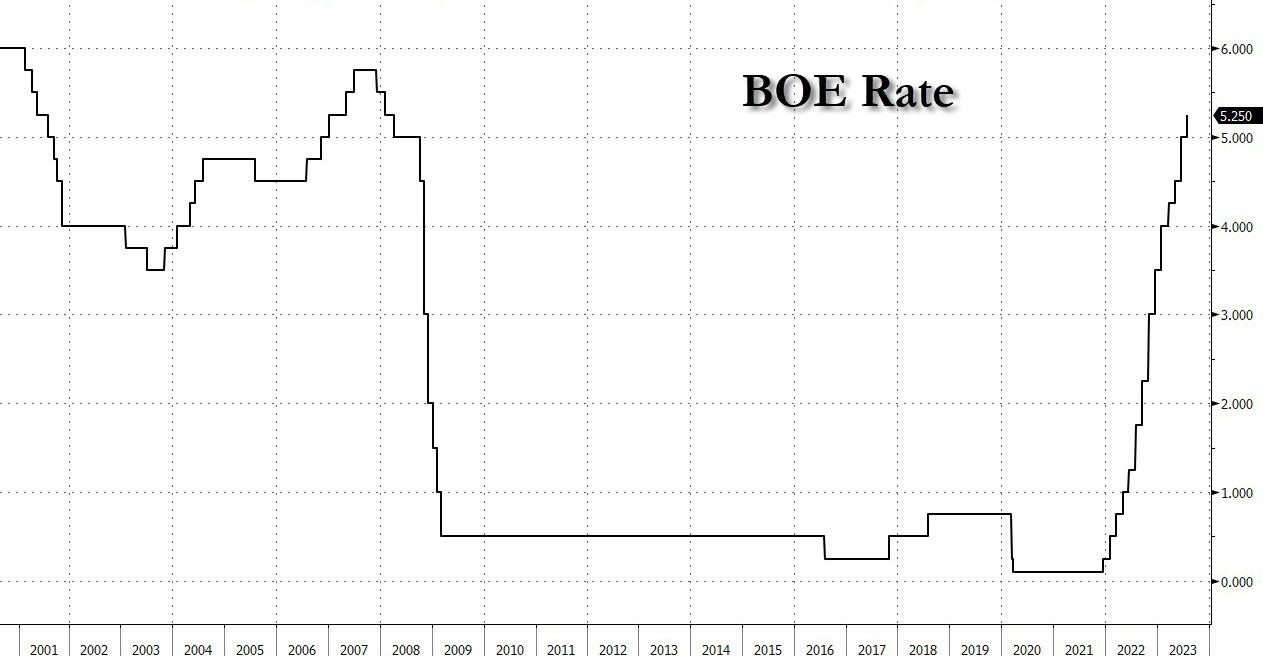
The nine-member MPC split three ways on the decision Catherine Mann and Jonathan Haskel voted for a half-point hike, while Swati Dhingra pushed for no change. The majority led by Governor Andrew Bailey and his deputies voted for a quarter point hike.

The BOE maintained its forward guidance that “if there were to be evidence of more persistent pressures, then further tightening in monetary policy would be required.”

The guidance also included a new sentence suggesting that once the tightening cycle is finished, rates may remain elevated for some time. It said:

“The MPC would ensure that Bank Rate was sufficiently restrictive for sufficiently long to return inflation to the 2% target sustainably in the medium term, in line with its remit.”

According to Bloomberg, this is a signal that once the tightening cycle is finished, rates may remain elevated for some time. It’s a warning for markets not to start anticipating rate cuts anytime soon – maybe for years.

The central bank also repeated that “the current monetary policy stance is restrictive” and that it will “ensure that Bank Rate is sufficiently restrictive for sufficiently long to return inflation to the 2% target sustainably in the medium term, in line with its remit.”

Given the significant increase in Bank Rate since the start of this tightening cycle, the current monetary policy stance is restrictive. The MPC will continue to monitor closely indications of persistent inflationary pressures and resilience in the economy as a whole, including the tightness of labour market conditions and the behaviour of wage growth and services price inflation. If there were to be evidence of more persistent pressures, then further tightening in monetary policy would be required. The MPC will ensure that Bank Rate is sufficiently restrictive for sufficiently long to return inflation to the 2% target sustainably in the medium term, in line with its remit.

Commenting on the (somewhat dovish) hike, BOE head Andrew Bailey said that “inflation is falling, and that’s good news. We know that inflation hits the least well off hardest, and we need to make absolutely sure that it falls all the way back to the 2% target.”

Looking ahead, the BOE’s growth forecasts indicate stagnation through 2025, providing a bleak backdrop for the next election. Governor Bailey said the MPC needs to make absolutely sure that inflation falls all the way back to 2%.

The MPC reduced near-term inflation forecasts and now see the inflation rate hitting 4.9% in the fourth quarter. That’s down from their previous forecast of 5.1%. This suggests that Rishi Sunak is likely to make good on his promise to halve inflation by December this year, but it’ll be a closer call than he might have liked.

Meanwhile, inflation forecasts were revised up slightly over the longer-term, with the BOE building in more evidence of persistence in price increases; to wit, the BoE said  there are some upside risks to its modal CPI forecasts, with risks skewed to the upside but less than in May. Says wages data shows risks of more persistent inflation may have begun to crystalize.

Growth:

  • 2023 0.50% (prev. 0.25%)
  • 2024 0.50% (prev. 0.75%)
  • 2025 0.50% (prev. 0.75%)

Inflation:

  • 2023 5.00% (prev. 5.00%)
  • 2024 2.50% (prev. 2.25%)
  • 2025 1.50% (prev. 1.0%)

Notably, the BOE has sidestepped the question of how much it will reduce the size of its balance sheet going forward. Traders had hoped to get a hint on the scale of QT going into its second year. The MPC confirmed it will lay out its plans on the pace of asset sales under its quantitative tightening program for the year starting October 2023 at the next meeting in September, judging that the first year had a small impact on gilt yields and the economy.

In kneejerk response the decision sparked an immediate dovish move, given the unwinding of circa. 40% market pricing for a 50bp hike before hand. As a result, sterling dropped to session lows but then promptly rebounded to pre-BOE levels which were still just off the lowest level in the past month.
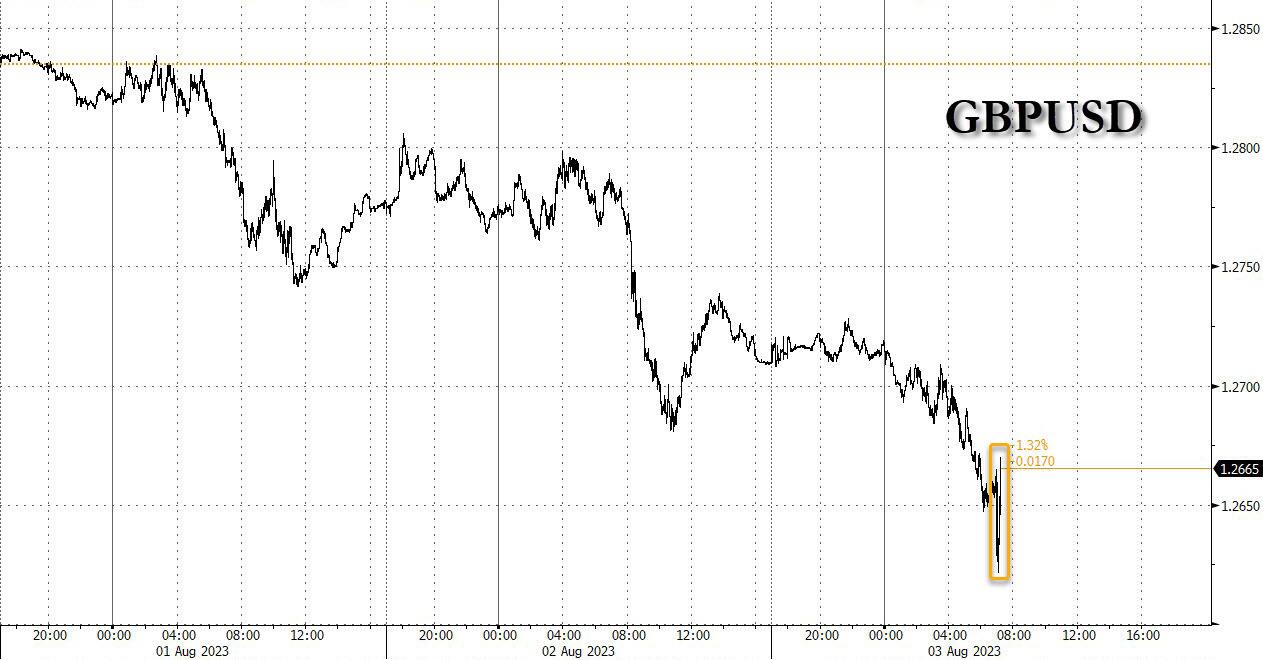
… as the accompanying commentary made clear that further tightening could occur and the vote split showed two members, Haskel & Mann, in favour of a 50bps hike. However, as participants then digested the full details of the MPR and the lack of any tweak to the pace of QT further downside has been seen in Cable as the internal commentary from the 6 who voted for 25bp made clear that the “monetary stance was weighing on economic activity” while the accompanying forecasts saw downgrades on the growth front.

Additionally, the BoE statement stated that the monetary stance is restrictive – potentially a hat-tip to being near the end of the tightening cycle. Over the medium- term inflation is seen below target, however, it has been acknowledged by many that the MPC is placing less weight on its forecasts.

Overall, Newsquawk noted that the statement had something for both the hawks and the doves and as such we look to the presser from Governor Bailey for clarity on the next steps and just how much further tightening markets should expect.

Commenting on the rate hike, Samuel Zief, head of FX strategy at J.P. Morgan Private Bank, said today’s decision “looks to us like a central bank that wants to stop hiking”.

We continue to prefer to stick to short-dated UK fixed income given that it provides a compelling yield and a buffer against any further economic resilience that might mean the BoE has to go to 6% or beyond. That said, as we get closer to peak rates in the back half of this year, the risk reward in extending duration is becoming more compelling. That backdrop isn’t supportive of GBP in our view.

Looking ahead, traders now see a 68% chance of a 25bps rate hike in September, and 32% odds of no change; the projected terminal rate dipped modestly from 5.74% pre-BOE to 5.65% after the announcement.

Tyler Durden
Thu, 08/03/2023 – 07:28

via ZeroHedge News https://ift.tt/WSq47Zk Tyler Durden

Ukraine Rearrests American Blogger Trying To Enter Hungary For Asylum

Ukraine Rearrests American Blogger Trying To Enter Hungary For Asylum

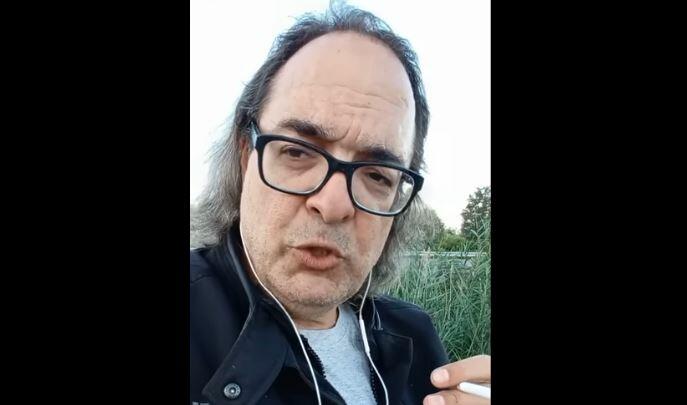
Chilean-American blogger Gonzalo Lira, who was initially detained by Ukrainian intelligence in May for ‘pro-Russian sympathies’—has reportedly been rearrested as he was trying to make his way out of Ukraine into Hungary. His crime?: publishing YouTube videos critical of the war & the US-Kiev-NATO stance.

He once again could face lengthy imprisonment, or even torture – given previous allegations which surfaced during his first detention – but he’s been shunned by the Biden administration and ignored by mainstream media. So much for “democracy”, free speech, and rule of law… as Lira simply doesn’t have the ‘correct’ viewpoint on the war, and thus Washington doesn’t bat an eye over his fate. Watch an entirely legitimate question on Lira from a brave reporter get ignored in the State Dept briefing room (Aug.1st)…

On Tuesday, Lira posted multiple videos explaining that he was attempting to escape Ukraine to neighboring Hungary. 

He was due in a Ukrainian court this week, but essentially skipped bail and tried to make it across the Western border, where he was hoping to be granted asylum. His initial apprehension on May 1st by the the Security Service of Ukraine (SBU) was for “producing and disseminating materials that justified the armed aggression” of Russia. This included a piece of analysis posted to YouTube called simply ‘Ukraine: A Primer”.

While Lira had not been heard from in months through his typically active social media accounts, he suddenly this week began posting again and documented his ordeal, summarized in a First Post report as follows

According to Lira, he was beaten and tortured because the Security Service of Ukraine (SBU) wanted to extort his entire savings, which amounted to approximately $100,000 when considering the value of the confiscated computers and phones.

…Following his arrest, a judge ruled that he should remain in custody until the trial. Notably, in April 2022, Lira had been detained by the SBU before but was released after a week without any charges filed, likely due to public pressure.

Scenes from his first arrest and a court hearing in May, which his family and supporters called a “kangaroo court”

Still facing potential prosecution, it seems he took his chances and fled…

And there is now what appears to be an official statement from Ukraine’s military, issued Wednesday, stating that he is indeed under arrest again (below).

Additionally, Mark Sleboda, an American political commentator and Navy veteran living in Russia, reported the following on Wednesday: “I can affirm that Gonzalo Lira, wanted by the Kiev Putsch regime for the crime of criticizing it (aka as ‘free speech’), tried to escape the West-backed Kiev Putsch regime across the Ukrainian border into Hungary where he intended to request political asylum.”

“I can further affirm that Lira was stopped on the Ukrainian side of the border from crossing and has since disappeared, now for more than 24 hours,” Sleboda added. “That is the last that anyone has heard from him.”

Will an American in Ukraine be convicted for posting YouTube videos? And more importantly, will Washington raise any objection whatsoever over the fate of its citizen? 

Tyler Durden
Thu, 08/03/2023 – 06:55

via ZeroHedge News https://ift.tt/MI0RuPa Tyler Durden

Oil Bulls On Edge Ahead Of Saudi Production Cut Extension

Oil Bulls On Edge Ahead Of Saudi Production Cut Extension

By Grant Smith, Bloomberg Markets Live oil reporter

The biggest question in oil markets is how long Saudi Arabia will extend its 1 million-barrel-a-day supply cut. Riyadh’s handling of a previous strategy offers some guidance — and reassurance — for crude bulls.

The kingdom launched the unilateral cutback last month in a bid to shore up global oil markets, undertaking the solo effort as its comrades in the OPEC+ coalition had already cut output as much as they could bear. It’s had some qualified success, boosting Brent prices to a three-month high above $85 a barrel in London.

The Saudis have committed to extending the measure into August, and OPEC-watchers expect that Riyadh will announce a further continuation into September this week. Traders are bracing for a statement from Saudi state media in the next couple of days, before an OPEC+ monitoring committee convenes to assess markets on Friday.

To understand what the world’s biggest crude exporter may do after that, it’s useful to consider how it handled a similar intervention two years ago.

In January 2021, the Saudis announced a unilateral 1 million-barrel cut to amplify the efforts of its OPEC+ brethren, to take effect in February and March. It was subsequently extended for one more month, and then unwound in stages over the following three months.

One lesson to draw is that the kingdom is prepared to go it alone with supply curbs for a considerable period; it’s quite possible that the restraints adopted in early 2021 could have lasted longer if others in OPEC+ hadn’t been so eager to increase production.

But at the same time, the limited three-month span of the move shows the Saudis won’t make such sacrifices indefinitely. Energy Minister Prince Abdulaziz bin Salman has described this summer’s curbs as a “lollipop” for markets — and at some point all treats must be taken away.

Perhaps the most important final lesson is that, when it comes to restoring shuttered supplies, Riyadh prefers a cautious and gradual approach rather than any sudden moves.

As a result, we may see the latest 1 million-barrel reduction eventually unwound in piece-meal stages. And that ought to give confidence to oil bulls betting that the current rally can go further.

Tyler Durden
Thu, 08/03/2023 – 06:30

via ZeroHedge News https://ift.tt/XJ48O6H Tyler Durden

UK Carbon Prices Plunge After Whitehall Offers More Allowances To Polluting Industries

UK Carbon Prices Plunge After Whitehall Offers More Allowances To Polluting Industries

The UK government is moving their environmental policies a little bit closer to common sense. 

Industrial companies now face less strict financial burdens for polluting after the government “watered down” reforms compared with those set by the EU, the Financial Times reported last week

The new reforms offer more allowances than expected to polluting industries, the report says. 

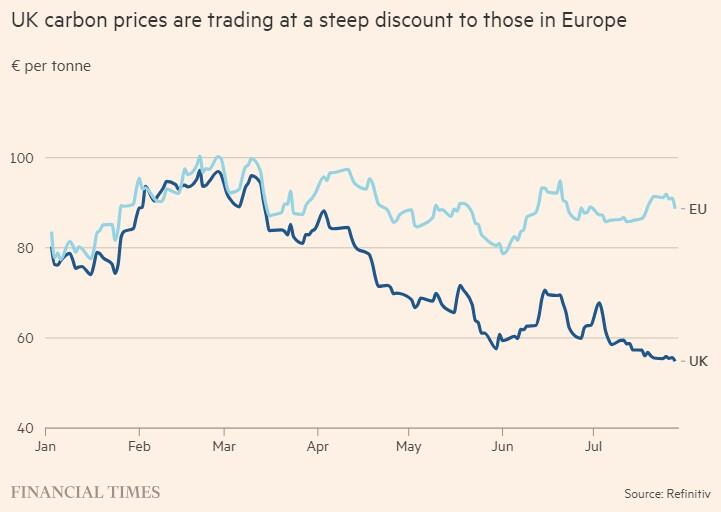
As a result of the changes in UK’s carbon trading scheme, carbon prices are trading at a steep discount compared with Europe. This has led to warnings that the reforms will “undermine” green investments and increase fossil fuel use. 

James Huckstepp, an analyst at BNP Paribas, told FT: “The changes to the carbon market have largely passed under the radar in the UK but will have the biggest impact of any policy on the UK’s emissions path.”

The UK Emissions Trading Scheme put a price on the emission of one ton of CO2, similar to a plan in place by the EU. Some companies, like electricity generators, get allowances to cover some of their necessary emissions. 

As time progresses, the allowances are cut, thereby incentivizing companies to pollute less – or be forced to pay up. But this year the UK government said it was handing out an additional 53.5 tons of extra allowances between 2024 and 2027. 

Since the announcement, UK carbon prices have been trading at a steep discount to European prices. UK carbon prices are £47 a ton, compared to €88.50 (£75.86) in the EU. Previously, the two prices had been near parity. 

Adam Berman, Energy UK deputy director of advocacy, commented: “A robust carbon price is critical to attracting investment in clean energy that can bring down prices, reduce emissions and bolster our energy security.”

“Swapping lower prices in the long run for a short period of low prices today is the definition of a penny-wise, pound-foolish approach,” he added, stating that the carbon market was the “cornerstone of the UK’s decarbonization strategy”.

“While there are short-term benefits to energy-intensive industries, the discount that has emerged versus the EU will make it much more challenging for the UK to meet its climate goals, from disincentivizing wind farms to encouraging power generators to burn more gas,” Huckstepp at BNP concluded. 

Tyler Durden
Thu, 08/03/2023 – 05:45

via ZeroHedge News https://ift.tt/NOsRVhk Tyler Durden

Eliminating Fossil Fuels Will Produce A Crippling Decline In Human Well-Being

Eliminating Fossil Fuels Will Produce A Crippling Decline In Human Well-Being

Authored by William Brooks via The Epoch Times,

In 1999, American climatologist Michael Mann first published a “hockey stick graph” that purported to show an unprecedented spike in global temperature over the past century.

Mann’s graph was featured in the 2001 report of the Intergovernmental Panel on Climate Change and was followed by the production of Al Gore’s apocalyptic climate film, “An Inconvenient Truth.”

These developments led to a continuous series of doomsday predictions and arbitrary climate policies that seek to replace fossil fuels with alternative sources of energy.

Challenging the Climate Change Narrative

The presumed scientific consensus on cataclysmic climate change hasn’t gone unchallenged. In 2005, Canadian researchers Steve McIntyre and Ross McKitrick raised serious doubts about the principal component analysis in Mr. Mann’s hockey stick graph.

In 2015, author Mark Steyn published “A Disgrace to the Profession,” which compiled the views of more than 100 world-class scientists who were skeptical of Mann’s research methods and the degree of public hysteria generated by his predictions.

Last summer, American philosopher and energy expert Alex Epstein released his second book on the moral case for the use of fossil fuels. In “Fossil Future: Why Global Human Flourishing Requires More Oil, Coal, and Natural Gas—Not Less,” he argued that the looming “climate emergency” and imminent “renewable revolution” have been enormously overstated.

Mr. Epstein asserted that fossil fuels are still the main source of affordable energy in the world and that policies aimed at reducing the use of coal, oil, and gas are creating skyrocketing energy prices, which have already produced rampant inflation.

He acknowledged that over the past 170 years, carbon dioxide (CO2) emissions have contributed to minor degrees of warming, but their benefits have raised billions of people out of poverty. Largely due to adaptive measures made possible by fossil fuel-powered machines and technology, the world has become more liveable, and mortality related to weather is at an all-time low.

According to Mr. Epstein’s analysis: “Fossil fuels are a uniquely cost-effective source of energy. Cost-effective energy is essential to human flourishing. Billions of people are suffering and dying for lack of cost-effective energy.”

He pointed out that wind and solar energy have been subsidized for decades but fossil fuels are still required to produce at least 80 percent of the world’s energy.

The Benefits of Adaption Over Mitigation

Writing this summer in a Macdonald-Laurier Institute (MLI) publication, Mr. McKitrick pointed out that government policies focus almost entirely on reducing emissions or “mitigation” over the benefits of human “adaption.”

The University of Guelph professor and author of “Economic Analysis of Environmental Policy” has been studying climate change, climate policy, and environmental economics since the 1990s. He’s the same Mr. McKitrick who contributed to exposing Mr. Mann’s hockey stick illusion more than a decade ago.

The MLI report notes that “proponents of climate policy have long resisted discussing adaptation perhaps out of fear that it might be effective: if through adaptation we can substantially reduce or even eliminate the negative effects of climate change, this will weaken the case for deep decarbonization and elimination of fossil fuels, which some in the climate movement view as an end in itself.”

Mr. McKitrick says adaptation has an unacknowledged record of success, while mitigation has been an expensive failure. After decades of draconian mitigation efforts, global CO2 emissions have continued to rise.

While prohibitively expensive CO2 reduction measures have failed to prevent climate change, adaptation has had considerable success in reducing health risks and protecting agricultural production from weather instability. As the costs of mitigation go up, Mr. McKitrick contends that policymakers should confront the prospect that their current policies could impede adaptation and increase human suffering.

Mr. Epstein and Mr. McKitrick appear to agree that people on the margins of prosperity burn fossil fuels for a very good reason. Our privileged “warmerati” can afford to follow a fashionable green lifestyle, but for legions of ordinary people, access to fossil fuels is a matter of life or death. Insisting people in struggling economies achieve “net zero” will only result in their further decline.

Radical Anti-Impact Measures Will Destroy Human Flourishing

Critics of government plans to get rid of fossil fuels maintain that the link between affordable energy and human flourishing is virtually irrefutable.

People’s views about “climate change” depend almost entirely on an acquired ideological framework. Those who choose to regard the elimination of human impact on nature as an end in itself would sacrifice the well-being of billions to achieve their Utopian vision.

Catastrophic climate predictions have been made since the 1970s. Most haven’t come true—no new ice age; no intolerable warming in direct relation to CO2 levels; no disappearance of polar ice or polar bears; no exceptional rise in ocean levels; no abnormal occurrences of extreme weather events; no widespread crop failures and famines.

Bjorn Lomborg, author of “The Skeptical Environmentalist” and former director of the Danish government’s Environmental Assessment Institute, recently asserted that “the proffered solutions to cut CO2 are both incredibly expensive and terribly ineffective.”

Canadian newspaper publisher and historian Conrad Black once wrote that “climate change, to use a phrase of Napoleon’s, has entered the realm of ‘lies agreed upon.’” He suggested that “anyone who claims certainty on this subject is a charlatan.”

In fact, only fossil fuel-driven free market economies have been sufficiently productive to raise millions of people out of poverty and provide a wide array of social, health, and educational services to vulnerable members of society.

Decades of experience have shown that dramatically reducing CO2 levels may not be feasible. Dispassionate researchers are beginning to conclude that adaptation to climate variations is the most effective way to reduce the impact of warming and permit food producers to benefit from changing growing conditions.

Radical anti-impact measures will destroy human flourishing. Ridding the world of fossil fuels is likely to leave scores of human beings poor, hungry, and destitute.

There must be something we can do to insist that policymakers reexamine this reckless course of action.

Tyler Durden
Thu, 08/03/2023 – 05:00

via ZeroHedge News https://ift.tt/79Ew0QJ Tyler Durden

Russia Begins Arming Citizen Volunteers Of Hard-Hit Border Region

Russia Begins Arming Citizen Volunteers Of Hard-Hit Border Region

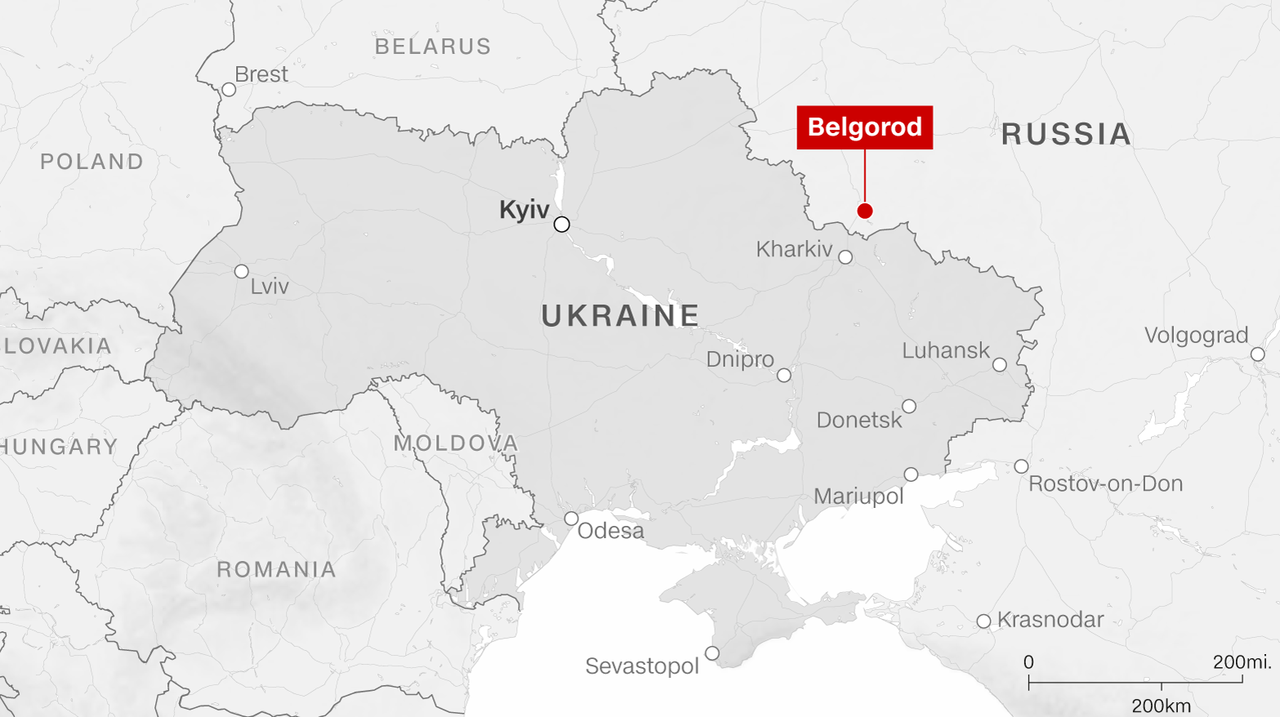
The Russian government has begun arming volunteer citizens in the Belgorod region in order to enhance border security after the oblast along the border with Ukraine has come under frequent attack throughout the war.

Kremlin Spokesman Dmitry Peskov confirmed the ‘controversial’ measure in a press briefing, saying it is being done in accordance with the law. “These measures are necessary because of the attacks coming from Ukrainian territory,” he stressed.

Illustrative image via TASS of Russian volunteers.

The practice of utilizing ‘national defense units’ of volunteer citizens has long been seen in conflict zones like Syria and Iraq. Members often undergo very brief basic weapons training, or they are prior service veterans, and they sometimes man check points or assist in searching vehicles or look out for suspicious activities. 

At one point in the presser Peskov was asked about government-issued weaponry falling into the wrong hands…

“Weapons are never outside of control. All control mechanisms should certainly be provided for and carefully implemented. In fact, there is no doubt that this is the case,” he responded.

Belgorod Region Governor Vyacheclav Gladkov said the decision had been made to approve weaponry like automatic rifles, anti-drone guns, and military enhanced SUVs.

National media sources have identified that Belgorod’s Territorial Defense force has some 3,000 members. The force has undergone formal training by the military, reports say.

Not only has Belgorod been subject of frequent drone and cross-border rocket attacks, but there has even been two major instances of ground raids by armed militants. Energy and other vital infrastructure facilities are often attacked by drones, but there’s been mounting civilian casualties as residential buildings are sometimes attacked.

Villages have been attacked, and pro-Kiev extremists have tried to “liberate” Russian territory. If “unlimited war” is unleashed–and it looks like that’s where things are headed–there will likely be more such border clashes between irregular militia forces on both sides.

Tyler Durden
Thu, 08/03/2023 – 04:15

via ZeroHedge News https://ift.tt/0YhgX3G Tyler Durden

Brickbat: Religious Unfreedom


A pair of handcuffs against the backdrop of the Egyptian flag.

An Egyptian court has sentenced human rights activist Patrick Zaki to three years in prison after finding him guilty of “spreading false news” in an article he wrote about his life as a Coptic Christian. Zaki has already spent 22 months in prison, where his lawyers said he was tortured.

The post Brickbat: Religious Unfreedom appeared first on Reason.com.

from Latest https://ift.tt/eToyqKl
via IFTTT

Huge Numbers Of Kids Permanently Damaged By Lockdowns; New Study Finds

Huge Numbers Of Kids Permanently Damaged By Lockdowns; New Study Finds

Authored by Steve Watson via Summit News,

Yet another study has found that the pandemic lockdowns had devastating effects on the development of children, with half of all parents in the UK reporting serious deterioration in emotional and social skills of their kids.

The research comes from the Institute of Fiscal Studies and notes that children aged between four and seven were significantly more likely (52%) to be affected than 12- to 15 year-olds (42%).

The research also found that children whose parents were furloughed, mandatorily made to take a leave of absence from their jobs, were “significantly more likely to experience a worsening in their socio-emotional skills than those whose parents had not been furloughed (51% versus 45%)”.

Essentially, kids whose families experienced hardship due to the lockdown were significantly more likely to have serious developmental issues.

The questions in the study included asking whether children had become “easily scared”, “constantly fidgeting or squirming”, or “generally obedient”.

Author of the study Andrew McKendrick, an IFS research economist commented that “During the Covid-19 pandemic, children from all backgrounds saw their social and emotional skills worsen considerably.”

“Children lived through many changes during these years: school closures, lack of contact with friends and family, and potentially devastating severe illness or death among loved ones,” McKendrick continued, adding that the lockdowns have had “multi-generational impacts.”

“Our research shows that another important driver of children’s declining skills was the economic disruptions experienced by their parents, whether or not those disruptions led to a large income loss,” McKendrick added.

Responding to the study, Children’s Commissioner Rachel de Souza said “I am deeply concerned by the findings of this research on children’s social and emotional skills.”

‘This study shows that the disruption the pandemic caused to children’s development has been long-lasting,” de Souza added.

Arabella Skinner, of the parents’ campaign group UsForThem, commented that the research shows how kids became “collateral damage” of lockdowns, noting “There were many occasions when warnings were ignored.”

“It is an unavoidable fact that many of our children’s development has been negatively impacted by the pandemic restrictions,” Skinner asserted, further urging that “The Government must take action now – they need to support all the services which support our children and ensure that this never happens again.”

This research adds to the voluminous examples of prominent studies showing that the enforced restrictions during the pandemic were catastrophically detrimental to society.

Related:

New Johns Hopkins Study: “Lockdowns Have Had Little To No Public Health Effects” And “Imposed Enormous Economic and Social Costs”

Study: Lockdowns Drove 60,000 Children in UK to Clinical Depression

New Study: Babies Born In Lockdown Less Likely To Speak Before First Birthday

Children Suffering From as Many as Three Different Viruses Due to Weakened Immunity Caused by Lockdown

New Study Finds Many Children Unable to Say Their Own Name Due to Impact of Lockdown

Report: Effects of Lockdown May Now Be Killing More People Than COVID

Outbreak of Hepatitis in Children Caused by Lockdowns That Weakened Immunity

Disturbing Lockdown Drawings Show Effect on Children’s Mental Health

Doctors sound alarm over mysterious outbreak of brain infections in Nevada kids – and they believe it’s linked to COVID lockdowns

New Study Concludes Lockdowns Caused AT LEAST 170,000+ Excess Deaths In U.S.

Report: More Than 3000 Diabetics In UK DIED Because Of COVID Lockdowns

Lockdown Advocate Admits Negative Impacts Were Never Considered

Prominent Lockdown Advocate Admits He Got it Wrong

Highest Yearly Increase of Alcohol Deaths in UK on Record During 2020 Lockdown

*  *  *

Brand new merch now available! Get it at https://www.pjwshop.com/

In the age of mass Silicon Valley censorship It is crucial that we stay in touch. We need you to sign up for our free newsletter here. Support our sponsor – Turbo Force – a supercharged boost of clean energy without the comedown.

Also, we urgently need your financial support here.

Tyler Durden
Thu, 08/03/2023 – 03:30

via ZeroHedge News https://ift.tt/BEqbAIg Tyler Durden