US Supreme Court Signals Support For Trump 2020 Census Citizenship Question

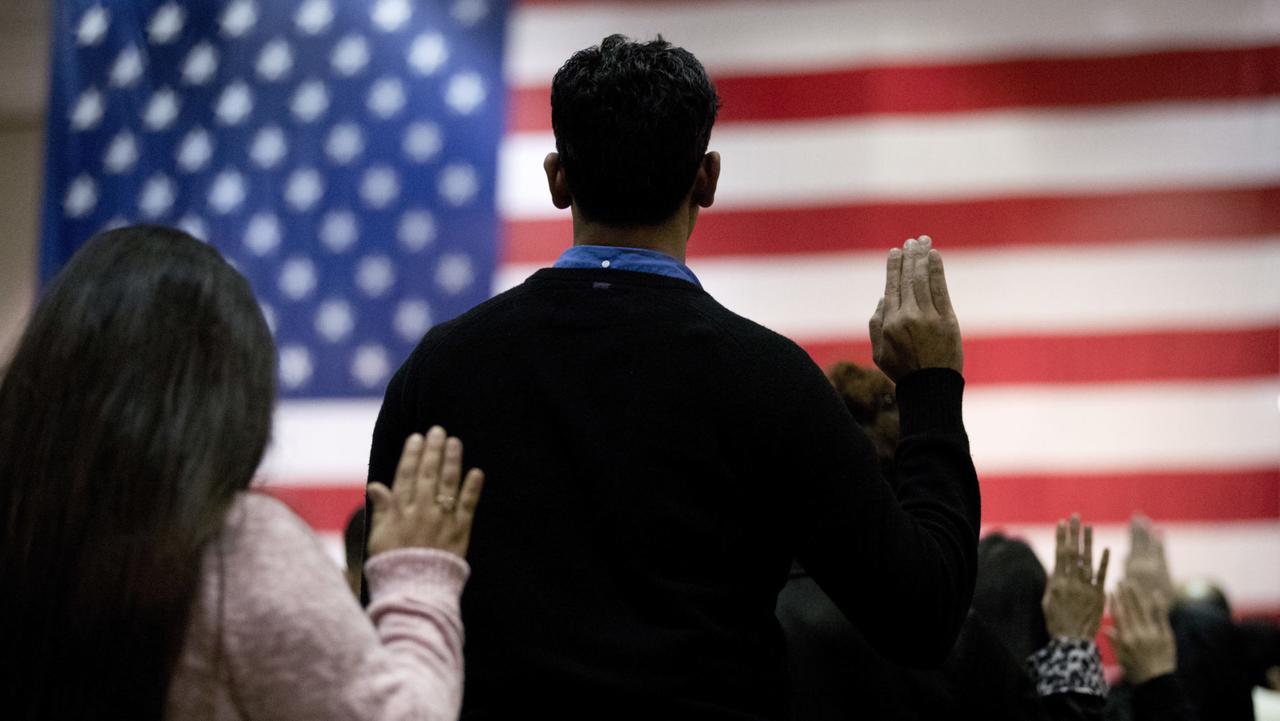
The US Supreme Court has signaled support for the Trump administration’s plan to ask each person in the country if they are an American citizen. 

According to Bloomberg, key justices “seemed inclined to let the Trump administration add a question about citizenship to the 2020 census” during Tuesday oral arguments. 

Hearing arguments in Washington, Chief Justice John Roberts and Justice Brett Kavanaugh directed almost all their questions to the lawyers challenging the decision to ask about citizenship. Kavanaugh said Congress gave the Commerce secretary “huge discretion” to decide what to ask on the census. -Bloomberg

The Constitution requires that the government survey all “persons” living in the United States each decade. Until 1950, the census regularly asked about citizenship – however it was discontinued out of fears that it would harm participation. 

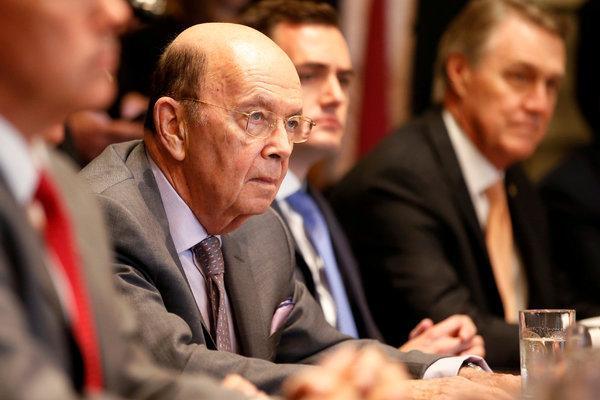
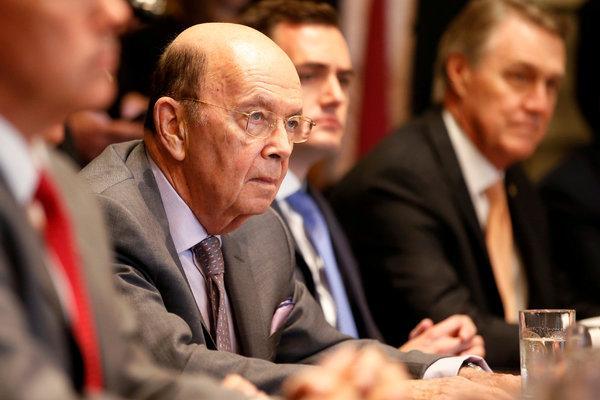
Commerce Secretary Wilbur Ross, who oversees the census, has indicated that he wants to reinstate the question at the request of the Justice Department in order to improve enforcement of the federal voting rights law, reports ABC News

Commerce Secretary Wilbur Ross

The case is the first analysis of a Trump administration initiative since they upheld President Trump’s travel ban last year.  

Developing…

via ZeroHedge News http://bit.ly/2Xw0obE Tyler Durden

Beyond the First Amendment: Anti-Libel Injunctions and Prosecutorial Discretion

[I’m continuing to serialize my forthcoming Penn Law Review article on Anti-Libel Injunctions.]

I’ve argued that criminal contempt prosecutions for violating anti-libel injunctions are similar to criminal libel prosecutions. But they are missing one important feature of most prosecutions—the normal prosecutor.

In criminal libel prosecutions, a prosecutor exercises discretion about whether to prosecute. In criminal contempt proceedings, a judge would normally refer the case to the prosecutor’s office, but if that office declines to act, the judge may appoint a special prosecutor. And in some states, the litigants could initiate the criminal contempt prosecution them­selves, or move for contempt and ask for the court to appoint their lawyers as the prosecutors. [In the federal system, the judge may not appoint the plaintiff’s lawyer as prosecutor, Young v. United States ex rel. Vuitton et Fils SA, 481 U.S. 787 (1987), which may make it hard to find a lawyer willing to take the task. But that is a principle of federal contempt procedure, not a constitutional mandate.]

Indeed, in states that still have criminal libel laws, the injunction’s cutting out of the prosecutor is especially vivid. Why, after all, would a person who is being libeled seek an anti-libel injunction in that state? Why not just ask the prosecutor to threaten the defendant with a criminal libel prosecution? After all, an injunction only works because the target is worried about the threat of a criminal contempt prosecution; why wouldn’t a prosecutor’s threat of a criminal libel prosecution work as well?

Presumably the defamed person would opt for spending the time and money to get an injunction precisely because the prosecutor is not inclined to act. Maybe prosecuting libels is a low prosecutorial priority, compared to violent crimes, property crimes, or drug crimes. Or maybe the prosecutor thinks the criminal libel law is archaic, and that people shouldn’t be jailed merely for lying about people. Or maybe the prosecutor wants to prosecute only the most egregious libels (such as the ones that most threaten reputation), and this libel isn’t one. The prosecutor is thus using prosecutorial discretion to choose not to prosecute a particular kind of crime. And the injunction bypasses that prosecutorial decision.

The question for judges, then, is whether they see prosecutorial discretion as an advantage or a disadvantage in such cases.

Prosecutorial discretion is sometimes touted as an important protector for liberty: Before a person goes to jail for something, the theory goes, all three branches must agree—the legislature must criminalize the action, the executive must prosecute, and the judiciary must convict. In the words of then-Judge Kavanaugh,

The Executive’s broad prosecutorial discretion … illustrate[s] a key point of the Constitution’s separation of powers. One of the greatest unilateral powers a President possesses … is the power to protect individual liberty by essentially under-enforcing federal statutes regulating private behavior … . The Framers saw the separation of the power to prosecute from the power to legislate as essential to preserving individual liberty.

Judge Kavanaugh was speaking of prosecutorial discretion as a check on the legislative power, but it could equally be seen as a check on the judicial power. Indeed, such a check may be especially necessary to rein in criminal contempt prosecutions, in which judges might be unduly skewed by the sense that the violation of an injunction is a personal affront to their own authority. Justice Scalia’s concurrence in Young v. United States ex rel. Vuitton et Fils SA, for instance, argued that federal contempt prosecutions must always be initiated by the Executive Branch, partly because Justice Scalia saw a threat to liberty in “judges’ in effect making the laws, prosecuting their violation, and sitting in judgment of those prosecutions.”

On the other hand, prosecutorial discretion is sometimes seen as unduly favoring those victims who have the prosecutors’ ear—indeed, one criticism of criminal libel laws has been that they are disproportionately used to punish speech critical of political officials and law enforcement. And people sometimes fault prosecutors for being not attentive enough to particular crimes that are seen as too hard (or too unglamorous) to prosecute; that, for instance, was part of the criticism of prosecutors in domestic violence cases, which led many states to enact statutes specifically authorizing injunctions against continued domestic violence.

More broadly, injunctions are available in many other contexts where torts are also crimes. The occasional assertion that “equity will not enjoin the commission of a crime” means simply that equity “would not enjoin violation of … criminal law as such,” but would only enjoin acts that harmed the particular plaintiff in some legally cognizable way. Injunctions against trespass are issued without concern that this will undermine prosecutorial discretion not to prosecute trespasses as crimes; likewise with injunctions against copyright infringement, even though willful copyright infringement for commercial gain is also criminal.

And perhaps the availability of criminal contempt proceedings in such cases, even without the opportunity for prosecutorial discretion, might be especially justified by the need to vindicate a particular victim’s interest. The Third Circuit, for instance, has taken the view—expressed, to be sure, as to administrative enforcement proceedings rater than as to criminal contempt of court prosecutions—that “the doctrine of prosecutorial discretion[] should be limited to those civil cases which, like criminal prosecutions, involve the vindication of societal or governmental interest, rather than the protection of individual rights.”

I don’t think that the availability of prosecutorial discretion should be seen as a necessary First Amendment protection that renders invalid injunctions that cut out such discretion. Indeed, prosecutorial discretion may introduce an extra risk of viewpoint discrimination, and enforcement of injunctions without a prosecutorial veto would decrease this risk.

Judges in injunction cases often write opinions explaining why they exercise their discretion a particular way, which constrains their discretion in some measure; prosecutors don’t. Judges’ decisions not to issue injunctions are reviewable on appeal (even if under the relatively deferential abuse-of-discretion standard); prosecutors’ decisions not to prosecute are generally not reviewable. Prosecutorial discretion cannot save an overbroad law. The absence of prosecutorial discretion should not invalidate a narrowly crafted injunction.

This having been said, though, courts might still choose to consider whether separation of powers concerns should counsel against injunctions that evade prosecutorial discretion, especially in those states where criminal libel statutes exist. The Court has spoken of its “cautious approach to equitable powers,” especially when the powers involve “substantial expansion of past practice”; state courts may choose to take a similar approach. Such caution may be reason to avoid an end-run around prosecutorial judgment, especially with a remedy that has historically been frowned on—which makes anti-libel injunctions different from, for instance, anti-trespass injunctions—and in the absence of specific legislative authorization (which makes anti-libel injunctions different from, say, anti-harassment or anti-stalking injunctions issued pursuant to a specific statute).

[You might also read my earlier posts on the subject,

Or you can read the whole article, which is forthcoming in the University of Pennsylvania Law Review, in PDF.]

from Latest – Reason.com http://bit.ly/2Pt477g
via IFTTT

Beyond the First Amendment: Anti-Libel Injunctions and Prosecutorial Discretion

[I’m continuing to serialize my forthcoming Penn Law Review article on Anti-Libel Injunctions.]

I’ve argued that criminal contempt prosecutions for violating anti-libel injunctions are similar to criminal libel prosecutions. But they are missing one important feature of most prosecutions—the normal prosecutor.

In criminal libel prosecutions, a prosecutor exercises discretion about whether to prosecute. In criminal contempt proceedings, a judge would normally refer the case to the prosecutor’s office, but if that office declines to act, the judge may appoint a special prosecutor. And in some states, the litigants could initiate the criminal contempt prosecution them­selves, or move for contempt and ask for the court to appoint their lawyers as the prosecutors. [In the federal system, the judge may not appoint the plaintiff’s lawyer as prosecutor, Young v. United States ex rel. Vuitton et Fils SA, 481 U.S. 787 (1987), which may make it hard to find a lawyer willing to take the task. But that is a principle of federal contempt procedure, not a constitutional mandate.]

Indeed, in states that still have criminal libel laws, the injunction’s cutting out of the prosecutor is especially vivid. Why, after all, would a person who is being libeled seek an anti-libel injunction in that state? Why not just ask the prosecutor to threaten the defendant with a criminal libel prosecution? After all, an injunction only works because the target is worried about the threat of a criminal contempt prosecution; why wouldn’t a prosecutor’s threat of a criminal libel prosecution work as well?

Presumably the defamed person would opt for spending the time and money to get an injunction precisely because the prosecutor is not inclined to act. Maybe prosecuting libels is a low prosecutorial priority, compared to violent crimes, property crimes, or drug crimes. Or maybe the prosecutor thinks the criminal libel law is archaic, and that people shouldn’t be jailed merely for lying about people. Or maybe the prosecutor wants to prosecute only the most egregious libels (such as the ones that most threaten reputation), and this libel isn’t one. The prosecutor is thus using prosecutorial discretion to choose not to prosecute a particular kind of crime. And the injunction bypasses that prosecutorial decision.

The question for judges, then, is whether they see prosecutorial discretion as an advantage or a disadvantage in such cases.

Prosecutorial discretion is sometimes touted as an important protector for liberty: Before a person goes to jail for something, the theory goes, all three branches must agree—the legislature must criminalize the action, the executive must prosecute, and the judiciary must convict. In the words of then-Judge Kavanaugh,

The Executive’s broad prosecutorial discretion … illustrate[s] a key point of the Constitution’s separation of powers. One of the greatest unilateral powers a President possesses … is the power to protect individual liberty by essentially under-enforcing federal statutes regulating private behavior … . The Framers saw the separation of the power to prosecute from the power to legislate as essential to preserving individual liberty.

Judge Kavanaugh was speaking of prosecutorial discretion as a check on the legislative power, but it could equally be seen as a check on the judicial power. Indeed, such a check may be especially necessary to rein in criminal contempt prosecutions, in which judges might be unduly skewed by the sense that the violation of an injunction is a personal affront to their own authority. Justice Scalia’s concurrence in Young v. United States ex rel. Vuitton et Fils SA, for instance, argued that federal contempt prosecutions must always be initiated by the Executive Branch, partly because Justice Scalia saw a threat to liberty in “judges’ in effect making the laws, prosecuting their violation, and sitting in judgment of those prosecutions.”

On the other hand, prosecutorial discretion is sometimes seen as unduly favoring those victims who have the prosecutors’ ear—indeed, one criticism of criminal libel laws has been that they are disproportionately used to punish speech critical of political officials and law enforcement. And people sometimes fault prosecutors for being not attentive enough to particular crimes that are seen as too hard (or too unglamorous) to prosecute; that, for instance, was part of the criticism of prosecutors in domestic violence cases, which led many states to enact statutes specifically authorizing injunctions against continued domestic violence.

More broadly, injunctions are available in many other contexts where torts are also crimes. The occasional assertion that “equity will not enjoin the commission of a crime” means simply that equity “would not enjoin violation of … criminal law as such,” but would only enjoin acts that harmed the particular plaintiff in some legally cognizable way. Injunctions against trespass are issued without concern that this will undermine prosecutorial discretion not to prosecute trespasses as crimes; likewise with injunctions against copyright infringement, even though willful copyright infringement for commercial gain is also criminal.

And perhaps the availability of criminal contempt proceedings in such cases, even without the opportunity for prosecutorial discretion, might be especially justified by the need to vindicate a particular victim’s interest. The Third Circuit, for instance, has taken the view—expressed, to be sure, as to administrative enforcement proceedings rater than as to criminal contempt of court prosecutions—that “the doctrine of prosecutorial discretion[] should be limited to those civil cases which, like criminal prosecutions, involve the vindication of societal or governmental interest, rather than the protection of individual rights.”

I don’t think that the availability of prosecutorial discretion should be seen as a necessary First Amendment protection that renders invalid injunctions that cut out such discretion. Indeed, prosecutorial discretion may introduce an extra risk of viewpoint discrimination, and enforcement of injunctions without a prosecutorial veto would decrease this risk.

Judges in injunction cases often write opinions explaining why they exercise their discretion a particular way, which constrains their discretion in some measure; prosecutors don’t. Judges’ decisions not to issue injunctions are reviewable on appeal (even if under the relatively deferential abuse-of-discretion standard); prosecutors’ decisions not to prosecute are generally not reviewable. Prosecutorial discretion cannot save an overbroad law. The absence of prosecutorial discretion should not invalidate a narrowly crafted injunction.

This having been said, though, courts might still choose to consider whether separation of powers concerns should counsel against injunctions that evade prosecutorial discretion, especially in those states where criminal libel statutes exist. The Court has spoken of its “cautious approach to equitable powers,” especially when the powers involve “substantial expansion of past practice”; state courts may choose to take a similar approach. Such caution may be reason to avoid an end-run around prosecutorial judgment, especially with a remedy that has historically been frowned on—which makes anti-libel injunctions different from, for instance, anti-trespass injunctions—and in the absence of specific legislative authorization (which makes anti-libel injunctions different from, say, anti-harassment or anti-stalking injunctions issued pursuant to a specific statute).

[You might also read my earlier posts on the subject,

Or you can read the whole article, which is forthcoming in the University of Pennsylvania Law Review, in PDF.]

from Latest – Reason.com http://bit.ly/2Pt477g
via IFTTT

Bernie Sanders Is Right: We Should Let the Boston Marathon Bomber Vote

One of the more noteworthy points of discussion from Monday night’s series of town halls with 2020 Democratic presidential candidates focused on whether or not convicted felons should be allowed to vote while incarcerated.

Sen. Bernie Sanders (I–Vt.) certainly seems to think so. “This is a democracy and we have got to expand that democracy, and I believe every single person does have the right to vote,” he said. Sanders was specifically asked if Dzhokhar Tsarnaev, who helped carry out the 2013 Boston Marathon bombing which killed three people, or other felons, like those convicted of sexual assault, should be able to vote.

“Yes, even for terrible people, because once you start chipping away and you say, ‘Well, that guy committed a terrible crime, not going to let him vote. Well, that person did that. Not going to let that person vote,’ you’re running down a slippery slope,” Sanders explained. “So I believe people commit crimes and they paid the price and they have the right to vote. I believe even if they’re in jail they’re paying their price to society but that should not take away their inherent American right to participate in our democracy.”

Sanders admitted his views on this issue were controversial, acknowledging that his opponents would likely use his remarks to attack him. Conservative activists did indeed slam his comments, with Donald Trump Jr., Republican National Committee Chairwoman Ronna McDaniel, Turning Point USA founder Charlie Kirk, and others criticizing him on Twitter.

What about the other Democratic candidates? Well, South Bend, Indiana Mayor Pete Buttigieg said felons should not be able to vote until they’re released from prison. “Part of the punishment when you are convicted of a crime and you’re incarcerated is you lose certain rights. You lose your freedom,” he said. “And I think during that period, it does not make sense to have an exception the right to vote.” Sen. Kamala Harris (D–Calif.) had a less committal response to the question, saying: “I think we should have that conversation.”

So what can libertarians take away from all this? The way I see it, Sanders is spot-on. Let’s assume that every person who’s been convicted of a felony and locked up in prison deserves to be there. (It’s a bold assumption, but humor me.) There are about 2.3 million people incarcerated nationwide, though when you only count the people who’ve actually been convicted of crimes, that number is probably closer to 1.7 million, according to the Prison Policy Initiative. The disparity exists in part because many people accused of crimes don’t have the money to afford bail, and are just locked up until they’re either convicted or found not guilty.

Again, imagine each of those convicts, like the Boston bomber, is in prison for a good reason. If that’s true, then they’re already paying their debt to society by being incarcerated. What good does it do the rest of the population to take away their right to have a say? Are incarcerated individuals going to plan a mass conspiracy in order to get a rapist elected president? Or a pro-crime candidate? Probably not, and they wouldn’t have a large enough voting bloc to elect such a politician even if they wanted to.

“Even if there were this sort of mythical pro-crime candidate running for office, or even someone whose positions on crime are totally different than your own, you can’t not allow people to vote based on your fear that they’re going to vote for someone,” notes Scott Novakowski, a legal fellow with the New Jersey Institute for Social Justice. “That’s not democracy. That’s not what we do.”

And it’s far more likely that incarcerated individuals will vote for politicians with good stances on policies that actually affect them, rather than for so-called “pro-crime” candidates.

Consider the example of Patrick Murphy, who was convicted of murder for his role in the 2000 killing of a Texas police officer and sentenced to death. By all accounts, Murphy has led a bad life. He’d previously been convicted of sexual assault, and he admits to being involved in a prison escape and botched robbery that led to Irving Police Officer Aubrey Hawkins’ death. But while he did not pull the trigger or have direct involvement in Hawkins’ murder, Murphy was eligible for the death penalty due to Texas’ law of parties. It’s an unfair punishment, as I’ve previously argued. So shouldn’t he be able to vote for a politician who might change the law, thus saving his life?

There are plenty of candidates who support criminal justice reform measures like reducing drug sentences or banning solitary confinement. Shouldn’t the people who will be affected by those measures the most be allowed to cast their ballot for those candidates, if they so choose?

The point is, there are a host of issues that affect prisoners. Not giving them any sort of say undermines our democracy, and it means that prison abuse may just continue. Pregnant women will continue to be shackled during labor, male and female inmates will continue to be thrown into solitary confinement, and prisoners will continue to be sexually assaulted, often with no accountability for their assailants. (Many law-abiding citizens, after all, won’t be motivated to change the system in the same way that people directly affected by the system are, and might not even be aware of prison abuse problems in the first place.) And while the Boston bomber and those convicted of murder and sexual assault are bad people, to be sure, they still shouldn’t be terribly mistreated while incarcerated.

Now, remember how I said before that we were going to assume each incarcerated individual is in prison for a good reason? Well, that’s not exactly true. Aside from wrongfully convicted individuals, there are hundreds of thousands of people incarcerated for nonviolent crimes, including drug offenses. Simply said, plenty of people who are in prison deserve to be free. Don’t they deserve to have a voice in American democracy as well?

Sanders’ remarks highlight how far we’ve come in addressing disenfranchisement among those convicted of crimes. As seen by the response to his comments, we’re still a long way from letting felons vote while they’re in prison (Restrictions on felons’ voting rights are technically constitutional, per the 14th Amendment).

But there has been considerable progress toward allowing ex-felons who’ve served their time to vote. On the federal level, Sen. Rand Paul (R–Ky.) has been pushing to restore ex-felon’s voting rights since at least 2014. While he’s had mixed success, similar state efforts have succeeded.

In November, for instance, Floridians overwhelmingly approved a measure restoring voting rights for 1.4 million people with felony records. As Reason‘s C.J. Ciaramella wrote at the time, more than 30 states still have laws on the books that restrict ex-felons’ voting rights.

We’ve clearly seen progress on this issue, and the fact that presidential candidates are even debating whether incarcerated individuals should be allowed to vote is itself a positive development.

from Latest – Reason.com http://bit.ly/2W17ynV
via IFTTT

Bernie Sanders Is Right: We Should Let the Boston Marathon Bomber Vote

One of the more noteworthy points of discussion from Monday night’s series of town halls with 2020 Democratic presidential candidates focused on whether or not convicted felons should be allowed to vote while incarcerated.

Sen. Bernie Sanders (I–Vt.) certainly seems to think so. “This is a democracy and we have got to expand that democracy, and I believe every single person does have the right to vote,” he said. Sanders was specifically asked if Dzhokhar Tsarnaev, who helped carry out the 2013 Boston Marathon bombing which killed three people, or other felons, like those convicted of sexual assault, should be able to vote.

“Yes, even for terrible people, because once you start chipping away and you say, ‘Well, that guy committed a terrible crime, not going to let him vote. Well, that person did that. Not going to let that person vote,’ you’re running down a slippery slope,” Sanders explained. “So I believe people commit crimes and they paid the price and they have the right to vote. I believe even if they’re in jail they’re paying their price to society but that should not take away their inherent American right to participate in our democracy.”

Sanders admitted his views on this issue were controversial, acknowledging that his opponents would likely use his remarks to attack him. Conservative activists did indeed slam his comments, with Donald Trump Jr., Republican National Committee Chairwoman Ronna McDaniel, Turning Point USA founder Charlie Kirk, and others criticizing him on Twitter.

What about the other Democratic candidates? Well, South Bend, Indiana Mayor Pete Buttigieg said felons should not be able to vote until they’re released from prison. “Part of the punishment when you are convicted of a crime and you’re incarcerated is you lose certain rights. You lose your freedom,” he said. “And I think during that period, it does not make sense to have an exception the right to vote.” Sen. Kamala Harris (D–Calif.) had a less committal response to the question, saying: “I think we should have that conversation.”

So what can libertarians take away from all this? The way I see it, Sanders is spot-on. Let’s assume that every person who’s been convicted of a felony and locked up in prison deserves to be there. (It’s a bold assumption, but humor me.) There are about 2.3 million people incarcerated nationwide, though when you only count the people who’ve actually been convicted of crimes, that number is probably closer to 1.7 million, according to the Prison Policy Initiative. The disparity exists in part because many people accused of crimes don’t have the money to afford bail, and are just locked up until they’re either convicted or found not guilty.

Again, imagine each of those convicts, like the Boston bomber, is in prison for a good reason. If that’s true, then they’re already paying their debt to society by being incarcerated. What good does it do the rest of the population to take away their right to have a say? Are incarcerated individuals going to plan a mass conspiracy in order to get a rapist elected president? Or a pro-crime candidate? Probably not, and they wouldn’t have a large enough voting bloc to elect such a politician even if they wanted to.

“Even if there were this sort of mythical pro-crime candidate running for office, or even someone whose positions on crime are totally different than your own, you can’t not allow people to vote based on your fear that they’re going to vote for someone,” notes Scott Novakowski, a legal fellow with the New Jersey Institute for Social Justice. “That’s not democracy. That’s not what we do.”

And it’s far more likely that incarcerated individuals will vote for politicians with good stances on policies that actually affect them, rather than for so-called “pro-crime” candidates.

Consider the example of Patrick Murphy, who was convicted of murder for his role in the 2000 killing of a Texas police officer and sentenced to death. By all accounts, Murphy has led a bad life. He’d previously been convicted of sexual assault, and he admits to being involved in a prison escape and botched robbery that led to Irving Police Officer Aubrey Hawkins’ death. But while he did not pull the trigger or have direct involvement in Hawkins’ murder, Murphy was eligible for the death penalty due to Texas’ law of parties. It’s an unfair punishment, as I’ve previously argued. So shouldn’t he be able to vote for a politician who might change the law, thus saving his life?

There are plenty of candidates who support criminal justice reform measures like reducing drug sentences or banning solitary confinement. Shouldn’t the people who will be affected by those measures the most be allowed to cast their ballot for those candidates, if they so choose?

The point is, there are a host of issues that affect prisoners. Not giving them any sort of say undermines our democracy, and it means that prison abuse may just continue. Pregnant women will continue to be shackled during labor, male and female inmates will continue to be thrown into solitary confinement, and prisoners will continue to be sexually assaulted, often with no accountability for their assailants. (Many law-abiding citizens, after all, won’t be motivated to change the system in the same way that people directly affected by the system are, and might not even be aware of prison abuse problems in the first place.) And while the Boston bomber and those convicted of murder and sexual assault are bad people, to be sure, they still shouldn’t be terribly mistreated while incarcerated.

Now, remember how I said before that we were going to assume each incarcerated individual is in prison for a good reason? Well, that’s not exactly true. Aside from wrongfully convicted individuals, there are hundreds of thousands of people incarcerated for nonviolent crimes, including drug offenses. Simply said, plenty of people who are in prison deserve to be free. Don’t they deserve to have a voice in American democracy as well?

Sanders’ remarks highlight how far we’ve come in addressing disenfranchisement among those convicted of crimes. As seen by the response to his comments, we’re still a long way from letting felons vote while they’re in prison (Restrictions on felons’ voting rights are technically constitutional, per the 14th Amendment).

But there has been considerable progress toward allowing ex-felons who’ve served their time to vote. On the federal level, Sen. Rand Paul (R–Ky.) has been pushing to restore ex-felon’s voting rights since at least 2014. While he’s had mixed success, similar state efforts have succeeded.

In November, for instance, Floridians overwhelmingly approved a measure restoring voting rights for 1.4 million people with felony records. As Reason‘s C.J. Ciaramella wrote at the time, more than 30 states still have laws on the books that restrict ex-felons’ voting rights.

We’ve clearly seen progress on this issue, and the fact that presidential candidates are even debating whether incarcerated individuals should be allowed to vote is itself a positive development.

from Latest – Reason.com http://bit.ly/2W17ynV
via IFTTT

This Has Never Happened Before

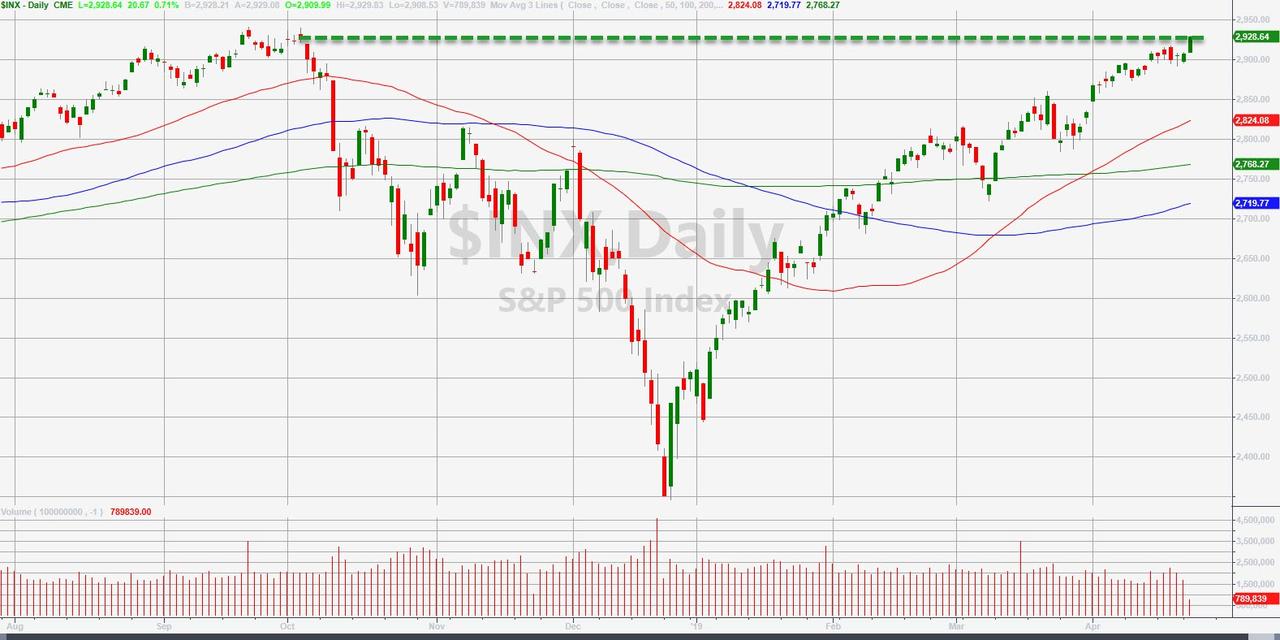
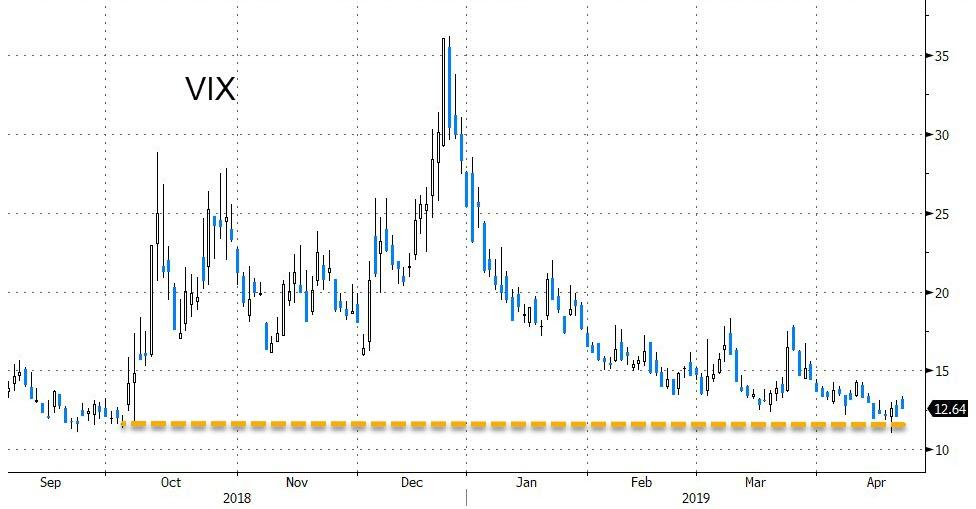
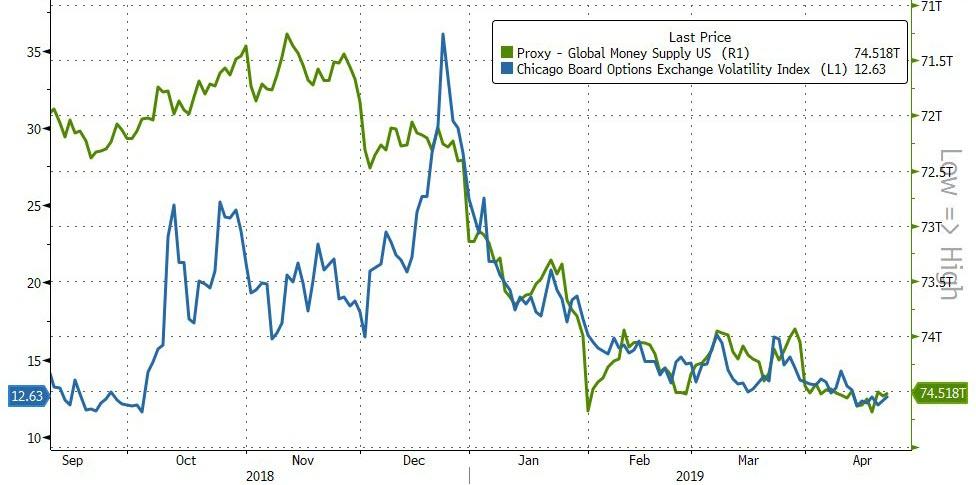
Since its peak into year-end, VIX has collapsed from over 36 to almost a 10 handle last Thursday as The Fed’s flip-flop re-energized the sell-vol-at-all-costs trade that has become the bread-and-butter of so many of newly-minted ‘gurus’ in this market.

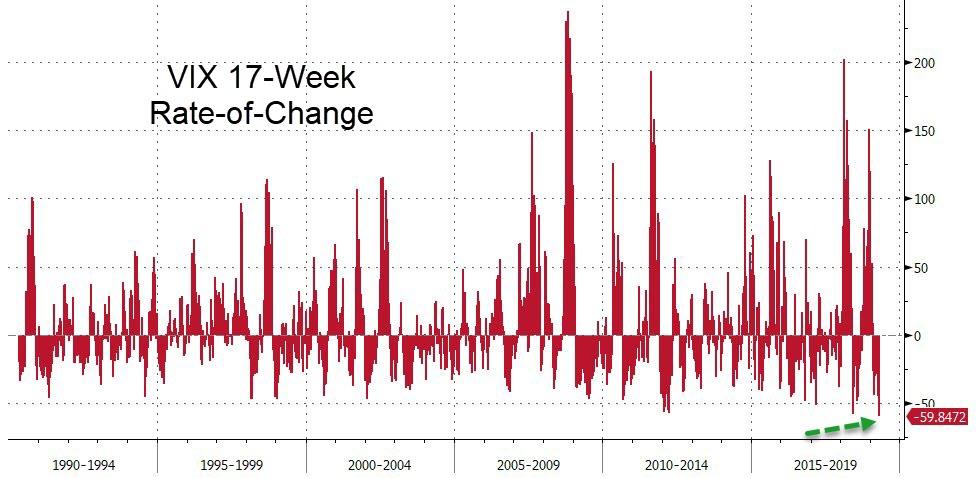
This is the biggest drop year-to-date and the biggest 17-week collapse in risk since records began (in the last ’80s)


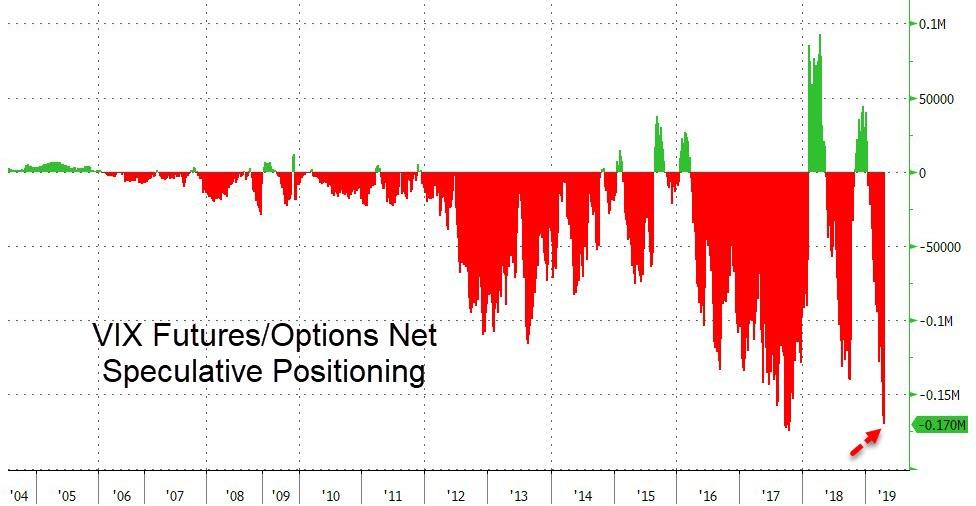
Of course, the momentum crowd is unphased and has chased this compression all the way down to the greatest short VIX futures positioning on record…

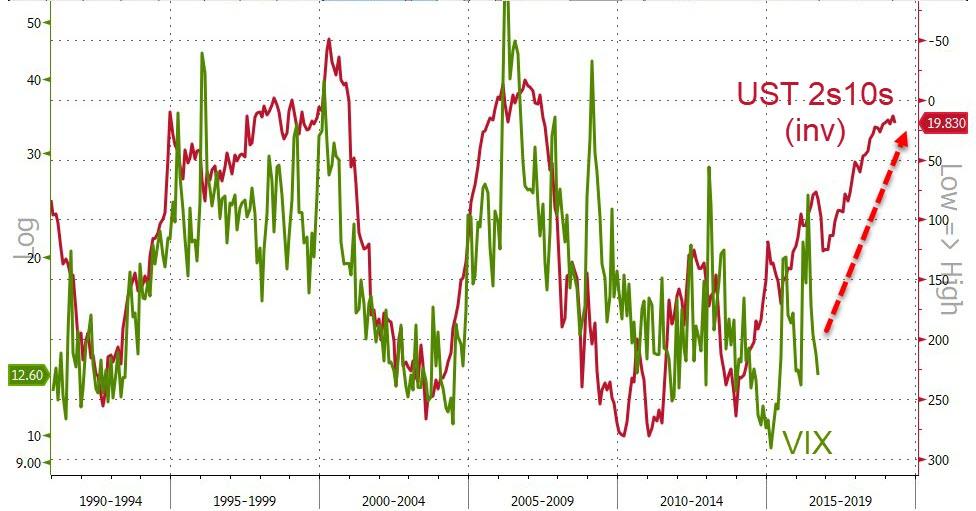
Ignoring the steam-roller of yield curve compression that signals this nickel-picking-up-plan won’t end well…

But we are sure all those specs will know when to exit their position and escape unharmed.

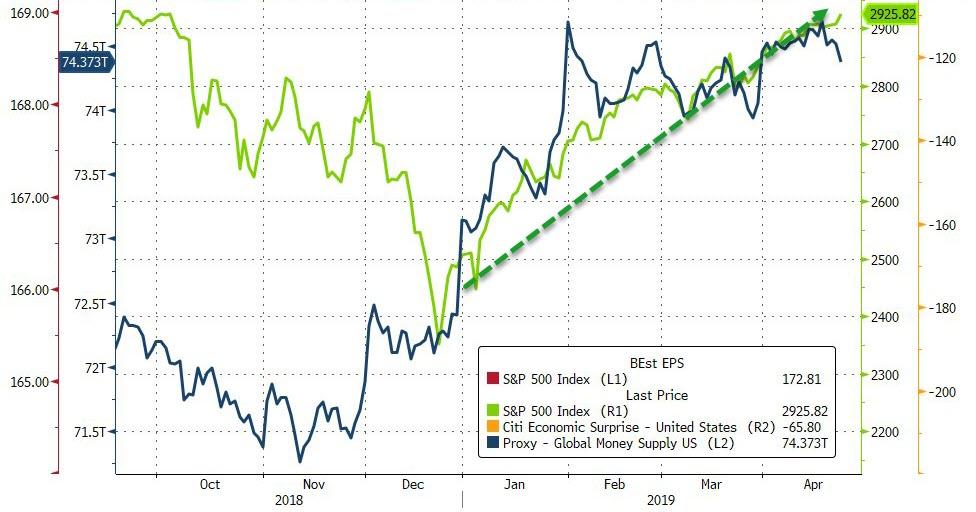
They better hope that global money supply keeps surging…

via ZeroHedge News http://bit.ly/2Uzqdpt Tyler Durden

US Offers $10 Million Reward For Anyone Who Can Help “Disrupt” Hezbollah Finances

Authored by Jason Ditz via AntiWar.com,

Seeks information on donors, business ties…

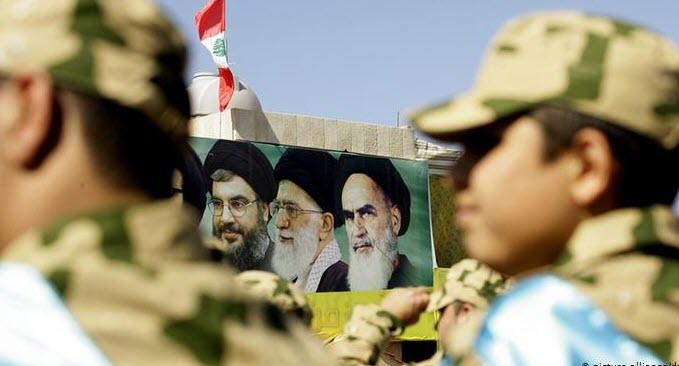
The US State Department is offering up to $10 million for anyone who provides intelligence that would allow the government to disrupt Hezbollah’s finances. They want to know who donates to Hezbollah, as well as any business ties.

This is a complicated matter, because while the US is treating them as a straightforward “terrorist organization,” Hezbollah is mainly a political party with a substantial role in the Lebanese government, and has ties to charity groups.

The group is  treated in an overly simplistic way by US officials, meaning the State Department sees no problem asking questions about donors and ties. It would be unthinkable, however, for them to make similar inquiries, offering large cash awards, for any other country’s major political parties’ donors.

The State Department listed three alleged Hezbollah financiers as examples of the activities they are hoping to stop.

Adham Tabaja is allegedly a Hezbollah member who has direct ties to senior Hezbollah organizational elements, including the terrorist group’s operational component, Islamic Jihad. Tabaja also holds properties in Lebanon on behalf of the group. Ali Youssef Charara allegedly received millions of dollars from Hezbollah to invest in commercial projects that financially support the terrorist group, and Mohammad Ibrahim Bazzi allegedly provided millions of dollars to Hezbollah generated from his business activities.

Secretary of State Mike Pompeo says that Hezbollah’s recent calls for political donations prove that the US is being successful in undermining them. Since they aren’t entirely sure who the donors are, that seems to be mainly a guess. 

via ZeroHedge News http://bit.ly/2UAVgkG Tyler Durden

US Offers $10 Million Reward For Anyone Who Can Help “Disrupt” Hezbollah Finances

Authored by Jason Ditz via AntiWar.com,

Seeks information on donors, business ties…

The US State Department is offering up to $10 million for anyone who provides intelligence that would allow the government to disrupt Hezbollah’s finances. They want to know who donates to Hezbollah, as well as any business ties.

This is a complicated matter, because while the US is treating them as a straightforward “terrorist organization,” Hezbollah is mainly a political party with a substantial role in the Lebanese government, and has ties to charity groups.

The group is  treated in an overly simplistic way by US officials, meaning the State Department sees no problem asking questions about donors and ties. It would be unthinkable, however, for them to make similar inquiries, offering large cash awards, for any other country’s major political parties’ donors.

The State Department listed three alleged Hezbollah financiers as examples of the activities they are hoping to stop.

Adham Tabaja is allegedly a Hezbollah member who has direct ties to senior Hezbollah organizational elements, including the terrorist group’s operational component, Islamic Jihad. Tabaja also holds properties in Lebanon on behalf of the group. Ali Youssef Charara allegedly received millions of dollars from Hezbollah to invest in commercial projects that financially support the terrorist group, and Mohammad Ibrahim Bazzi allegedly provided millions of dollars to Hezbollah generated from his business activities.

Secretary of State Mike Pompeo says that Hezbollah’s recent calls for political donations prove that the US is being successful in undermining them. Since they aren’t entirely sure who the donors are, that seems to be mainly a guess. 

via ZeroHedge News http://bit.ly/2UAVgkG Tyler Durden

Here’s an easy way to tell if your bank is actually safe

March 15, 2013 was a pretty normal day in Cyprus. It was a Friday, and most people were looking forward to a relaxing weekend.

The next morning the entire nation woke up in horror. Their politicians had been up all night, negotiating with international lenders to provide an emergency loan to the country, and its banks.

It turned out that the banks in Cyprus were all insolvent; just like banks in the United States during the 2008 sub-prime crisis, banks in Cyprus had been making idiotic decisions with their customers’ hard-earned savings.

And by 2013, the banks’ losses were too great to ignore.

Unfortunately for depositors, the government of Cyprus was also broke, and they were unable to bail out the banks.

So they came up with a new idea. Instead of a bail-out, they had a bail-IN.

First, they closed all the banks. ATM machines quickly ran dry and ceased functioning altogether. Then they just started confiscating deposits. They called it a ‘tax’, but it was theft, plain and simple.

The government just came in and grabbed money from people’s bank accounts… then gave it right back to the banks to bail them out.

It was an incredibly important lesson about banking: most people simply assume that their bank is in good financial condition… that, since the bank is regulated and insured by the government, our money must be safe.

Sometimes that’s an incredibly dangerous assumption to make.

Even in the US, we’ve seen how quickly banks’ idiotic decisions can unravel. Back in September 2008, the entire US financial system came crashing down, practically overnight, just like in Cyprus.

A big part of the reason is that banks have very little incentive to act conservatively and responsibly with your money.

Think about it– you walk into a bank and hand them your paycheck, and in exchange they offer you a ‘free checking account’.

Really? Free? If it’s free, then how does the bank pay for all of those fancy buildings and huge bonuses?

Simple. By taking RISKS with your money. They make loans and other investments– bonds, auto loans, home mortgages, etc. And each of those carries some kind of risk.

To pretend otherwise is foolish. There’s risk in everything you can possibly do with money… whether buying a government bond, stuffing cash under your mattress, or owning Apple stock. There’s always risk.

And they take these risks with with upwards of 97% of their deposits.

Current US banking regulations, in fact, require as little as ZERO PERCENT of customer deposits to be held on reserve, meaning almost all of your money can be gambled away on whatever investment fad makes the bank the most money.

And that’s the problem: the incentives are all wrong.

Banks make money by putting YOUR money at risk. But they don’t share the reward. They pay you some pitiful interest rate like 0.02%. And then keep all the rest for themselves.

Don’t get me wrong– I obviously have no issues with any business making money. That’s how capitalism works.

But incentives between businesses and their customers should be aligned.

Customers benefit when their money is safe, or at least when they are compensated for risks. Yet banks only make money when they take risks with customers’ money without compensating them.

This model is deeply, deeply flawed.

Now, in fairness, not all banks are created equal. Some are in much better shape than others. And some jurisdictions are FAR safer than others.

You can actually figure this out for yourself by taking a look at your bank’s balance sheet. Most big banks are public and have to post their financial statements online.

If you hold your deposits at a smaller bank, you should ask them for their financials. (And if they refuse to provide them, take your money out immediately!)

A strong bank has a substantial ‘net equity’ or ‘capital’ position as a percentage of its assets. This is known as a bank’s ‘solvency ratio’, and it should be -well- into the double digits.

A lot of banks have solvency ratios of 5% or less. This means that if the bank’s investments lose more than 5% of their value, the bank will be wiped out.

That’s not exactly a big margin of safety.

An example of a better bank in the Land of the Free is USAA Federal Savings Bank, which has a solvency ratio of about 20%. That’s a solid margin of safey.

But this is one of the big reasons why I tend to keep most of my money overseas– international banks are often far better capitalized and more liquid.

(Liquidity is another important concept– it means that the bank keeps a MUCH higher percentage of reserves on hand, relative to customer deposits. A liquid bank is typically a safer bank.)

And in addition to safer banks, many jurisdictions abroad also have safer central banks, stronger insurance funds, and more stable government finances.

In the US, for example, the Federal Reserve is on very shaky financial footing. Last September the Fed actually reported unrealized losses of $66.5 billion, completely wiping out the bank’s $39.1 billion in capital.

In other words, the central bank which regulates and backstops the largest and most important banking system in the world, is effectively insolvent.

On top of that, the FDIC (which is supposed to insure trillions upon trillions of dollars in deposits in the US banking system) admits in its own annual report that its deposit insurance fund is currently insufficient to withstand a major banking crisis.

And finally there’s the US federal government, with its $75 trillion in NEGATIVE net worth.

So in the US we have dishonest banks with questionable balance sheets, an insolvent central bank, an undercapitalized deposit insurance fund, and a bankrupt government.

Seems like the perfect place to keep 100% of your savings!

Fortunately the world is a big place, and there are better options out there.

It’s 2019. Geography should no longer factor into your mental calculus when it comes to making decisions about where to keep your money.

Most people just open an account at the bank across the street. And that might be convenient to be able to withdraw some cash from time to time.

But the bulk of your money should be located wherever in the world it’s treated best– where the banks are safe, liquid, backed by a well-capitalized insurance fund in a jurisdiction with no net debt.

My team recently spent a few hundred hours analyzing dozens of traditional and online banks from more than twenty countries around the world– like Singapore, Hong Kong and Liechtenstein– to determine where the safest places are to deposit savings.

The 150-page report is only available to our premium Sovereign Man: Confidential members. But because this is so important, we’re releasing a redacted preview to all of our readers.

You can download it here.

Source

from Sovereign Man http://bit.ly/2Do7OWX
via IFTTT