Helicopters And Poison? 32 Charged In $20M Mount Everest Rescue Scam
Nepal’s Central Investigation Bureau investigates a large-scale insurance fraud operation in the Himalayan trekking sector. Authorities charge 32 individuals – including trekking company operators, guides, helicopter rescue coordinators, hospital owners, and doctors – with organized crime and fraud. The scheme allegedly triggers unnecessary and expensive helicopter evacuations that insurers foot the bill for.
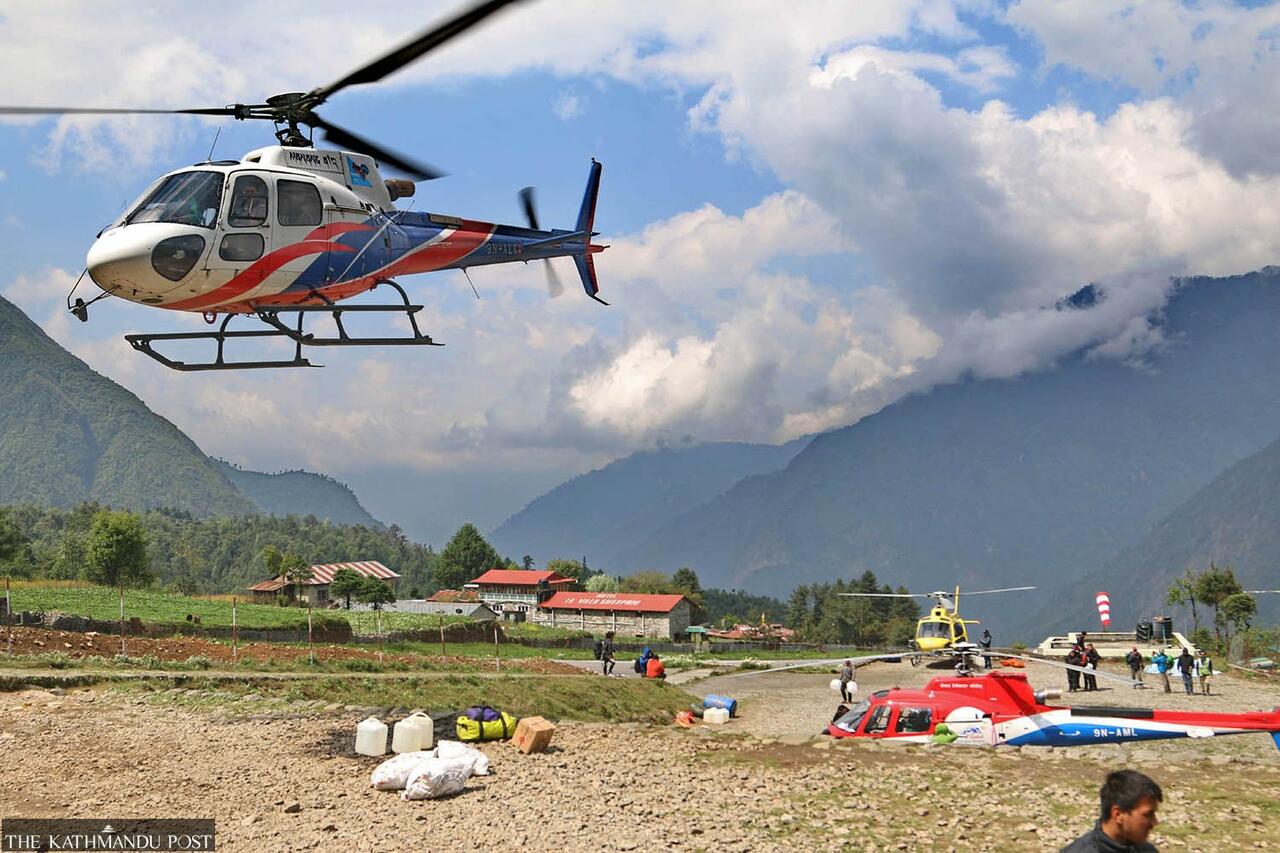
According to The Independent, the probe focuses on activities between 2022 and 2025 across popular routes that include the path to Everest Base Camp, Annapurna, Manaslu, and Langtang. Investigators examine more than 4,700 international patient cases at implicated Kathmandu hospitals and review thousands of helicopter flights. They identify hundreds of rescues as fraudulent or exaggerated, with operators allegedly inflating symptoms, forging medical records, and billing single flights as multiple separate emergencies to multiply payouts.
Between 2022 and 2025, investigators identified 4,782 foreign patients treated across the implicated hospitals. Of these, 171 cases were confirmed as fake rescues. Over that period, Era International Hospital received deposits of more than $15.87 million linked to these activities. Shreedhi International Hospital received over $1.22 million.
Among rescue operators, Mountain Rescue Service conducted 171 fraudulent rescues out of 1,248 total charter flights, claiming approximately $10.31 million from insurers. Nepal Charter Service carried out 75 fake rescues from 471 flights, claiming $8.2 million. Everest Experience and Assistance was linked to 71 suspicious rescues from 601 flights, with insurance claims totalling $11.04 million.
In one instance that illustrates the brazenness of the scheme, police documented a case in which four tourists were rescued on a single helicopter flight, on the same date, using the same helicopter and manifest. Insurance claims were nonetheless submitted as multiple separate rescues, with the total rescue bill reaching $31,100, plus a separate hospital bill of $11,890. –Kathmandu Post
According to the report, the rescue companies “managed to extract nearly $20m in payouts from international insurance companies for rescues that were unnecessary or, in some cases, completely fabricated.”
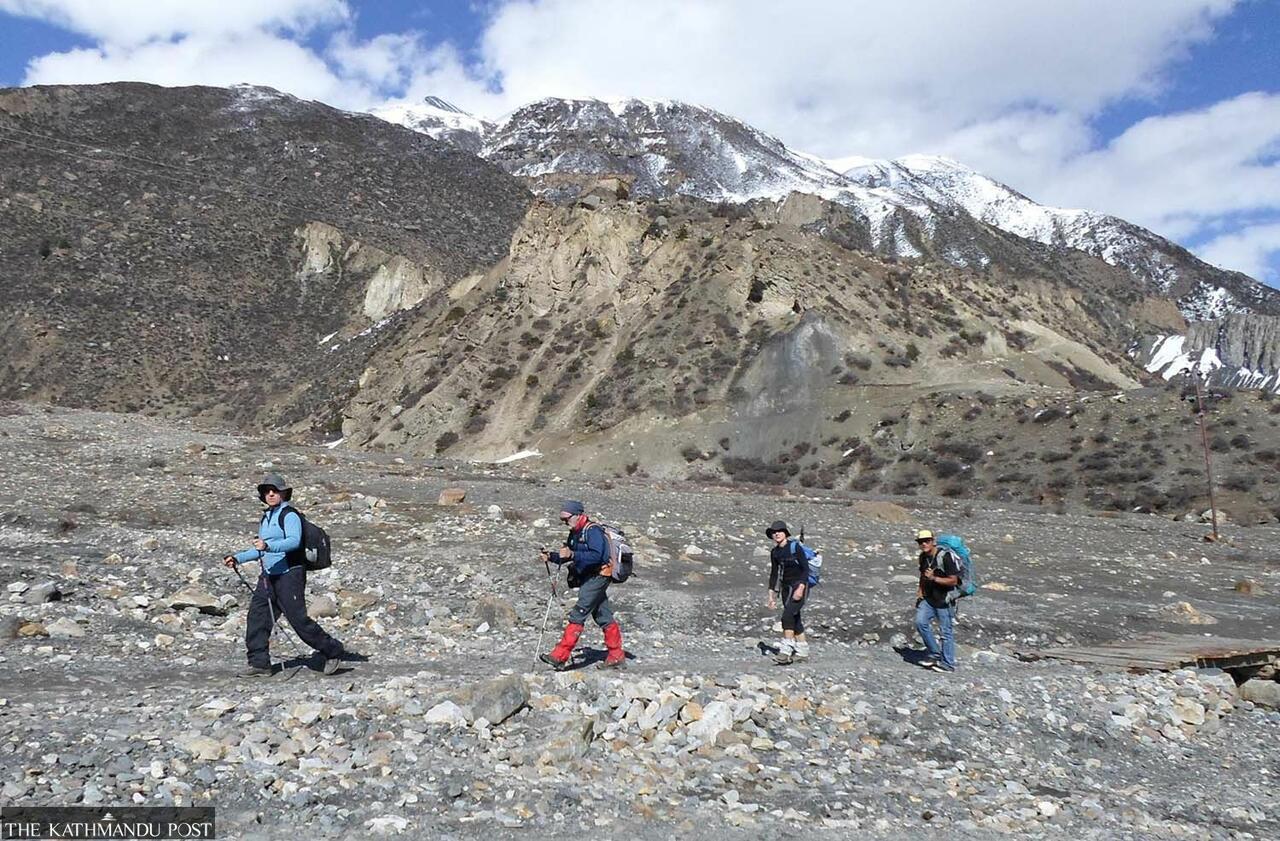
The fraud centers on paperwork manipulation and kickback arrangements among trekking firms, hospitals, and helicopter companies. A common tactic involves claiming routine ailments – mild fatigue, stomach issues, or early signs of altitude discomfort – as acute emergencies that require immediate airlift. One documented pattern shows four trekkers on a single charter flight billed as four distinct rescue missions, turning a modest private flight cost into a $30,000-plus insurance claim. Hospitals submit charges for treatments that never occur or prove unnecessary. The scheme primarily targets travelers from countries with straightforward insurance policies, such as the UK, Australia, and Canada.
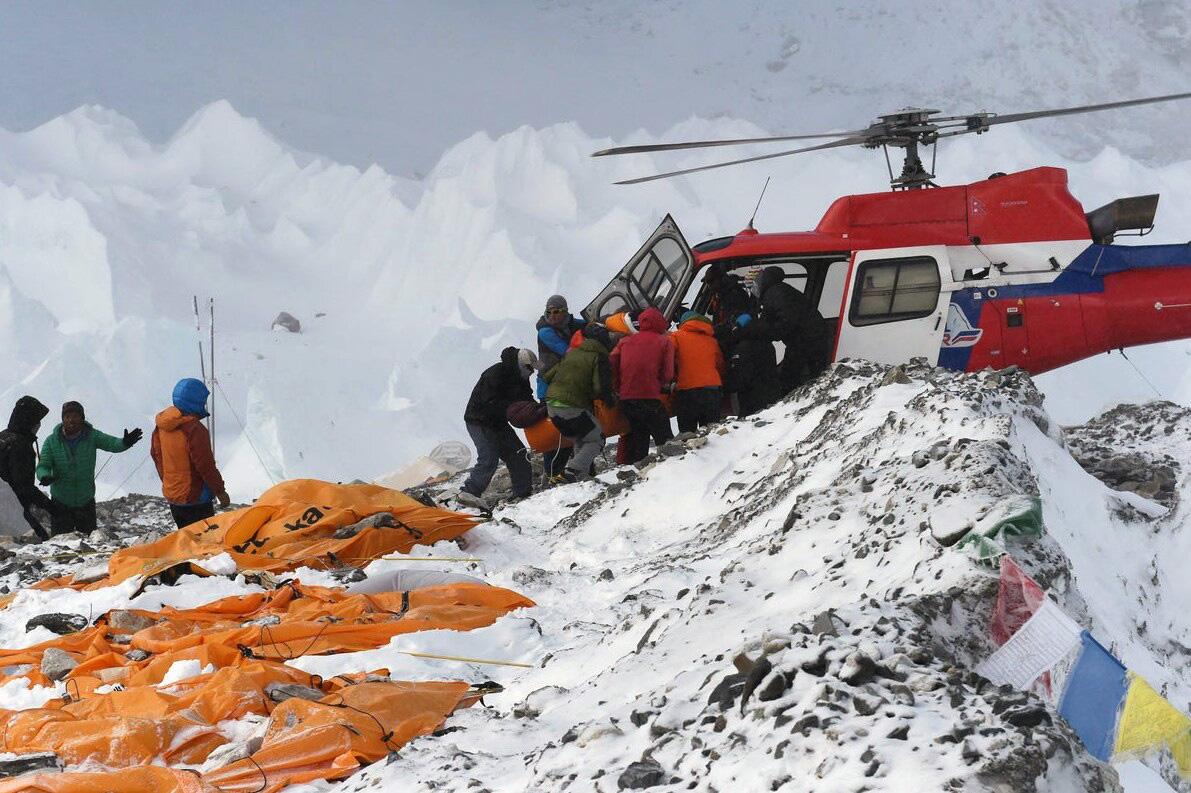
Some witness statements mention guides adding baking powder to food or giving clients excessive medication and water to induce nausea and symptoms that mimic altitude sickness. Media reports highlight these details and fuel speculation about deliberate poisoning on Everest routes. Nepal police, however, state clearly that the official investigation uncovers no evidence of actual poisoning. In their April 2026 public statement, the Central Investigation Bureau declares: “To date, the official investigation has not found any evidence of ‘poisoning.’ No facts have been found to suggest that poisonous substances were mixed into food.”
The distinction matters. The scam primarily affects trekkers on lower-altitude trails rather than the roughly 500 technical climbers who attempt the Everest summit each year. High-altitude summit expeditions operate under stricter medical protocols, oxygen support, and professional oversight that make staged emergencies far more difficult to execute undetected. The Everest name draws global attention, but the bulk of the documented fraud occurs on approach hikes and other regional circuits where helicopter access remains relatively straightforward.
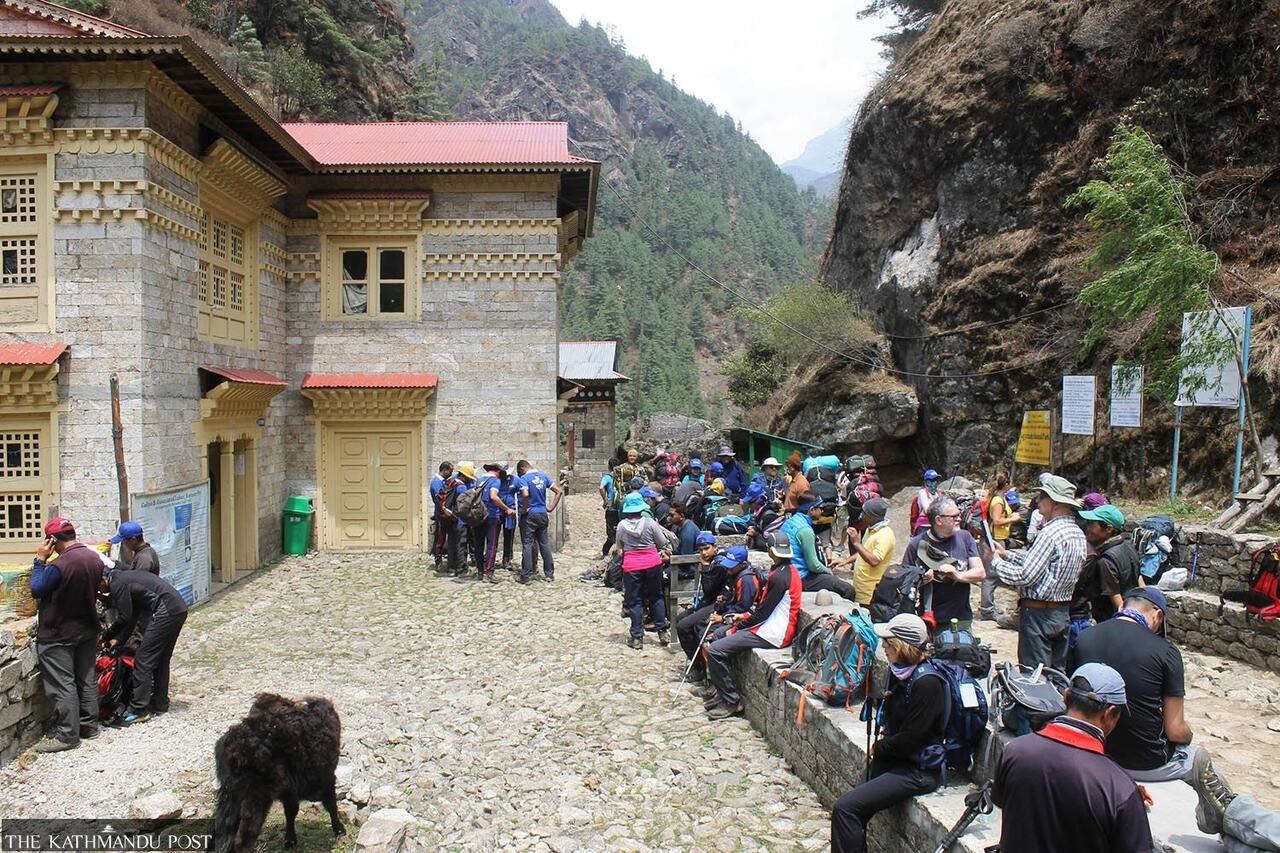
The investigation highlights systemic weaknesses in Nepal’s rapidly growing adventure tourism industry. Helicopter services, essential for genuine high-altitude emergencies, expand quickly but operate with limited oversight. Earlier government attempts to require tourism authority approval for rescues fail to curb the practice. Insurers now face pressure to tighten verification, while legitimate rescues risk greater scrutiny and delays.
Tyler Durden
Tue, 04/07/2026 – 18:00
via ZeroHedge News https://ift.tt/cGIQN7o Tyler Durden