EU Could Lose 1.3 Million Jobs Due To Energy Price Surge From Iran War
Up to 1.3 million jobs across the EU are at risk because of the ongoing war in the Middle East, European Commissioner for jobs Roxana Mînzatu said on Wednesday.
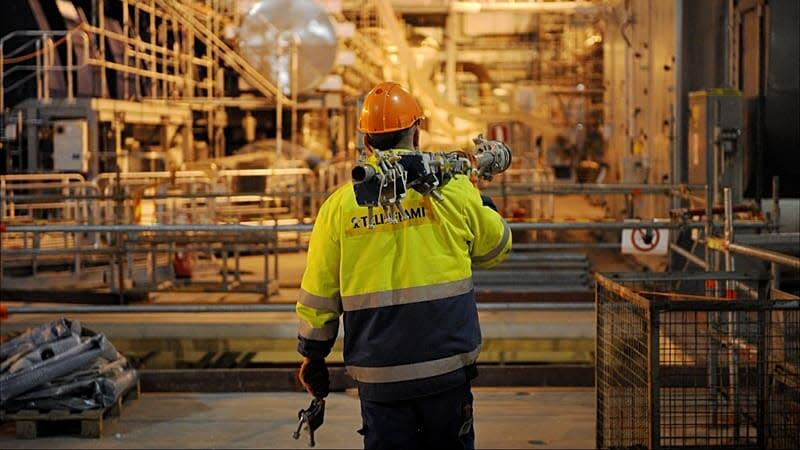
“Due to the war in the Middle East, up to 1.3 million jobs are at risk, particularly in energy-intensive industries,” Mînzatu said at a press conference.
“Let me also underline that increased energy costs will have a particular negative impact on lower-income households in Europe, which is why we recommend that all member states take targeted measures so that they can support vulnerable groups,” the Commissioner added.
According to the report, the EU automotive sector could face the biggest layoffs of up to 600,000. Construction, metals, chemicals, transport could lose 56,000 jobs. Some 85,000 jobs in battery projects could be at risk and 58,852 jobs in solar manufacturing. Another 4,500 jobs could go in the steel sector because of low-carbon measures.
In a stagflationary double whammy, Low-income households could spend an additional 1.4% of income on transport fuel.
As Euronews reports, the warning came during the presentation of the 2026 Spring Semester Package, a bi-annual publication by the EU executive that provides guidance to the 27 member states on the bloc’s economic priorities.
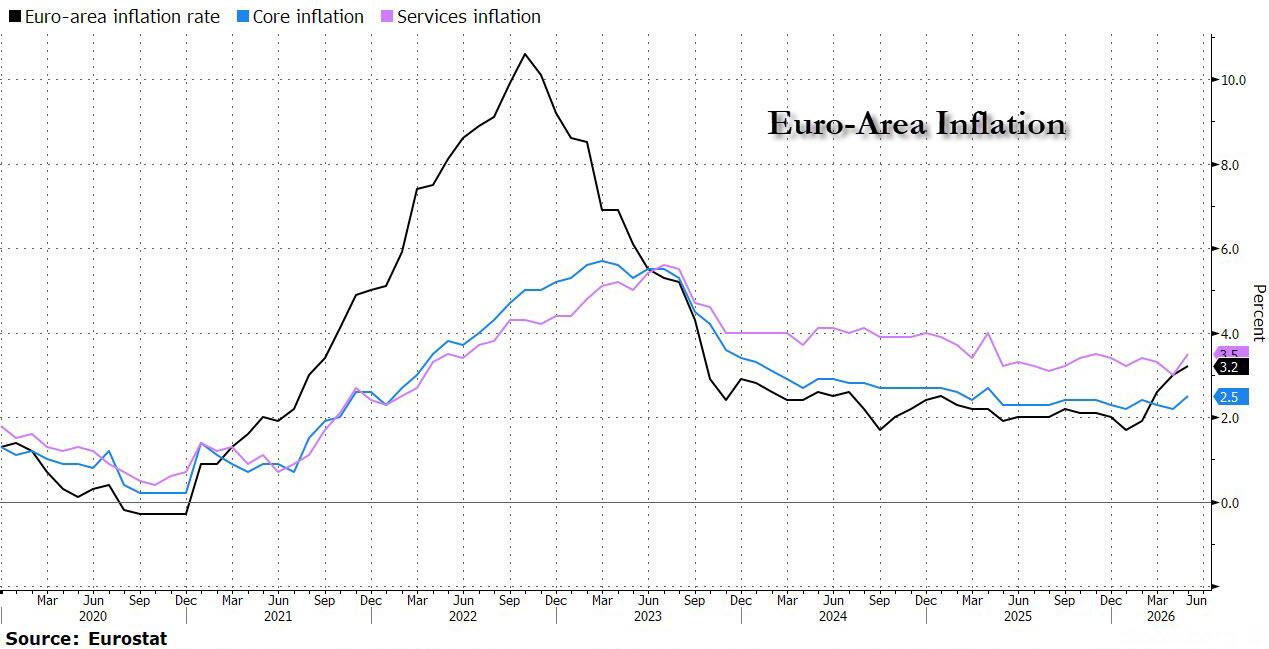
The conflict has already had tangible effects on the European economy, with energy prices surging as a result. According to the latest European economic forecasts published in May, the war has slowed European growth while pushing inflation higher. Yesterday we learned that Euro Area inflation topped 3% for the first time since 2023, cementing an ECB rate hike next week.
Economic data on growth and inflation vary sharply across the EU, a disparity the Commission considers a threat to competitiveness.
Key priorities
The package dedicates significant space to employment, focusing on the promotion of quality jobs and how EU countries can tackle persistent shortages of skilled workers in strategically important sectors.
“Improving educational outcomes and better aligning people’s skills with labor market needs remain key priorities, also to address labour and skills shortages which are particularly acute in strategic sectors such as cybersecurity, quantum, artificial intelligence and semiconductors,” the Semester Package states.
At the press conference, Mînzatu said that 77% of European companies report that skill shortages remain a significant barrier to investment. She identified poor working conditions as the main driver of those shortages.
“We cannot attract talent, we cannot reduce shortages, we cannot improve people’s earnings without making sure we have good working conditions,” the Commissioner said.
Since the beginning of this mandate, European Commission President Ursula von der Leyen has made competitiveness one of the Commission’s highest priorities as geopolitical uncertainties mount.
The latest Semester Package reflects this, focusing on how Europe can strengthen its position on the global stage.
In particular, the bloc wants to reduce economic barriers in the single market, create a more business-friendly environment for companies and capital, and minimise strategic dependencies – especially on China and the US.
To that end, the Commission is pushing member states towards a more robust industrial policy, greater investment in capital markets, and a simplification agenda that would, among other things, reduce administrative burdens both in the private and public sector.
In parallel, the Commission is working to accelerate economic reforms at the EU level, though progress relies heavily on the willingness of member states to act – a longstanding coordination challenge.
Tyler Durden
Thu, 06/04/2026 – 02:45
via ZeroHedge News https://ift.tt/p59GYdX Tyler Durden