Russia Vows To ‘Fill China’s Energy Resource Gap’ Amid Hormuz Crisis In Lavrov-Xi Meeting
At a moment it remains a serious open question over just how vulnerable China is to the Hormuz Strait crisis, and now with the US-imposed US naval blockade of the vital oil transit waterway, Russian Foreign Minister Sergey Lavrov is in Beijing pledging energy support to China.
Lavrov met with President Xi Jinping on Wednesday, during which Xi urged China and Russia to “give full play to the advantages of geographic proximity and complementarity, deepen all-round cooperation and raise the resilience of each other’s development.”
Russia remains China’s top energy supplier. “Both sides should maintain strategic focus, trust each other, support each other, develop together,” Xi continued, according to a Chinese state media readout.
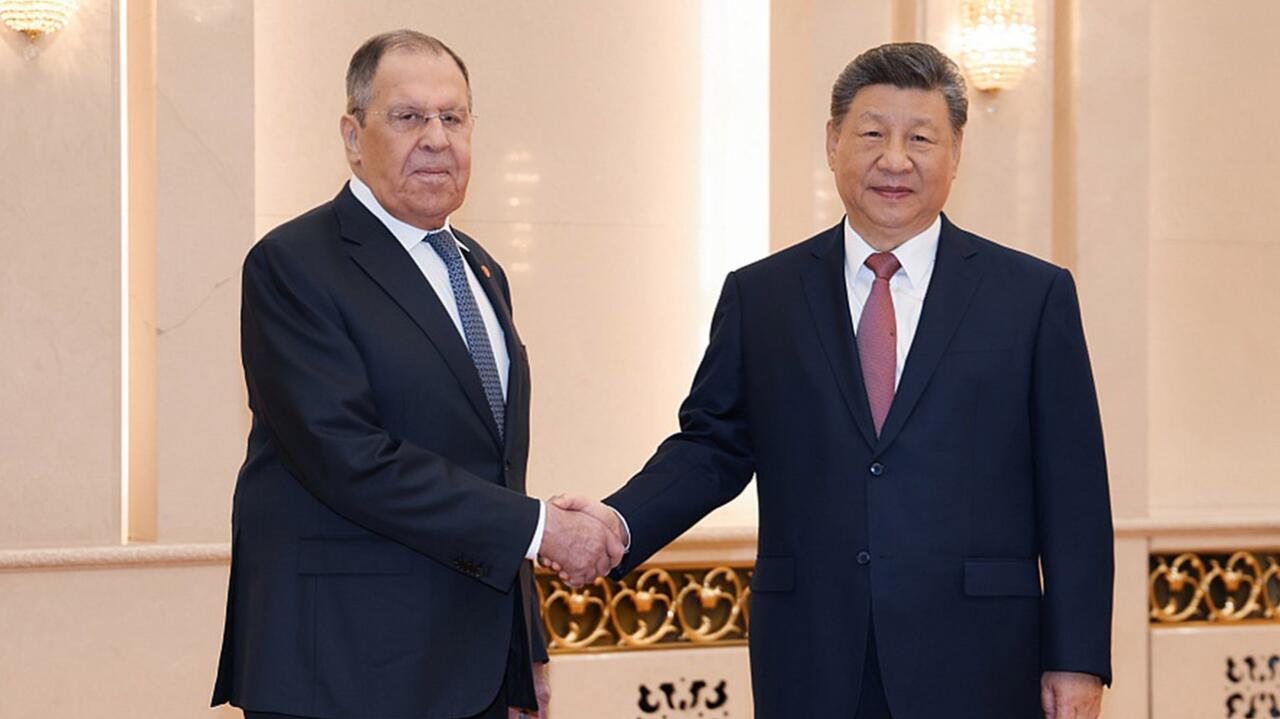
Lavrov in turn told Xi that Chinese-Russian relations play a “stabilizing role in world affairs” at a time of global “chaos and turmoil.” This has been a consistent theme on which relations and trust have been built between Beijing and Moscow going back to the start of the Ukraine war over four years ago.
Importantly, after the meeting the Russian foreign minister announced to a press conference that Moscow stands ready to increase energy supplies to China.
“Russia can certainly fill the resource gap that has arisen in China and other countries interested in working with us on an equal and mutually beneficial basis,” Lavrov stated.
The two-day Lavrov visit is toward laying the groundwork for an upcoming summit between Xi and Russian President Vladimir Putin. It’s expected for the first half of this year, but likely after Trump’s upcoming May 14-15 summit with the Chinese leader.
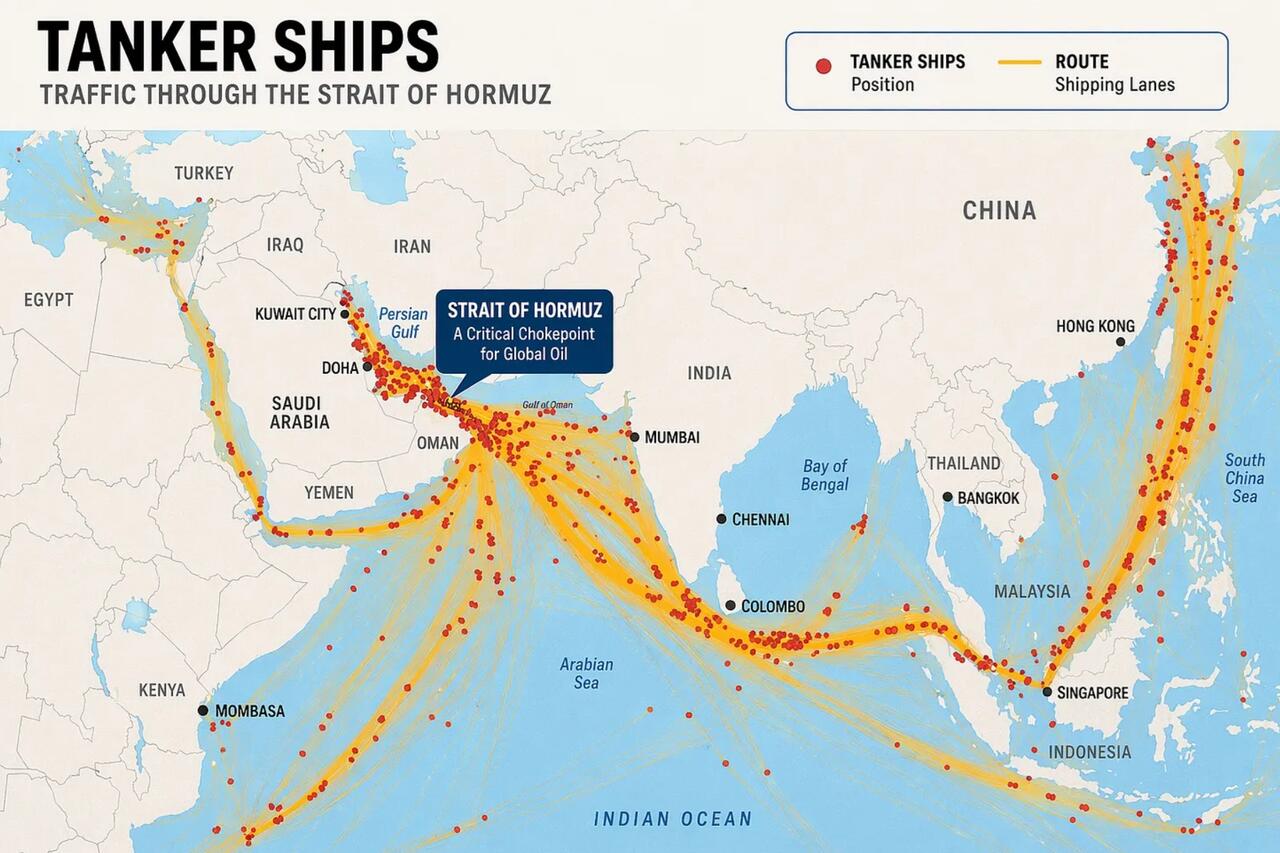
The Hormuz crisis is a threat to Chinese energy given Asia’s largest power still depends heavily on global supply routes it does not fully control. While Beijing has for many years sought to diversify through pipelines from Russia and Central Asia, the reality is that those projects take years to build and remain far too limited to replace the volume of oil moving through Hormuz.
However, there’s a strong counterargument pushing back against the assumption that Trump’s Iran moves will ultimately squeeze and devastate China. Alongside Russia coming to Beijing’s side with its recently unsanctioned oil, there are also these aspects to consider:
While China is to some extent dependent on Gulf oil, so is the rest of Asia. While the United States might be insulated from some of the worst consequences of the Hormuz closure, the economies of our Asian allies are not. Asian economies are among the most dependent on Middle Eastern oil, with South Korea receiving around 70 percent and Japan receiving a whopping 95 percent of their oil from the Middle East. The Council on Foreign Relations notes that in 2024, 84 percent of the oil and 83 percent of LNG shipped through Hormuz were bound for Asia. That is not a targeted squeeze. Instead, such a move looks to be made without much heed to Asia at all, hitting the very states Washington is supposedly positioning against Beijing.
China is actually one of the best-positioned countries in Asia to handle this exact crisis because of existing stockpiles, diversified supply chains, a coal-dependent electric grid, and pipeline alternatives. While China is vulnerable, it is more insulated than most of Asia, only receiving around 20 percent of its oil from Hormuz.
There’s a certain irony in the fact that an early element of blowback from the Iran war was that Washington scrambled to remove sanctions on Russian crude oil transiting the high seas, to bat down soaring global oil prices, and yet it is this very unsanctioned oil flow which will benefit China.
And the ‘unintended consequences’ continue to trickle over. The American Conservative writes, “This damage to our Pacific allies is not theoretical. Across Asia, partner governments are already scrambling as their economies face the worst crisis in decades. Asian nations are shortening workweeks and implementing fuel controls, disrupting their economies as tension mounts. Many Asian economies have turned to Russia amid this turmoil, bolstering the economy of another supposed U.S. enemy.”
Tyler Durden
Wed, 04/15/2026 – 15:40
via ZeroHedge News https://ift.tt/CohkYLa Tyler Durden