Treasury Weighs Allowing Billionaires To Donate Stock To Trump Accounts
Here’s something that could go incredibly well or spectacularly wrong: The Trump administration’s flagship program for American children – the so-called Trump accounts – could soon get a dramatic upgrade. White House and Treasury Department officials are in internal discussions about letting the world’s wealthiest individuals donate shares of their companies directly into the accounts, a move that would transform the program from a conservative cash-and-index-fund vehicle into a potential magnet for high-growth tech stock.
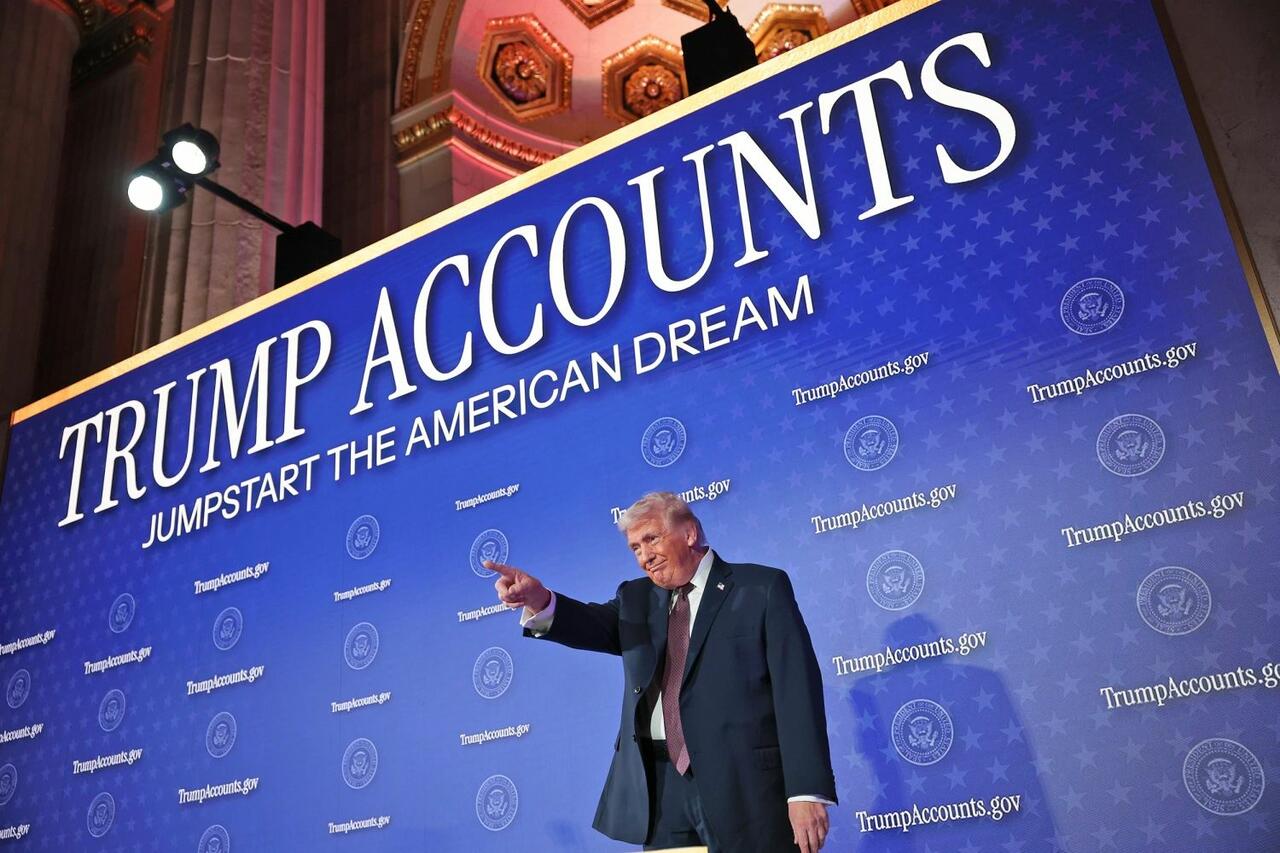
The accounts, formally known as Section 530A accounts, are scheduled to begin accepting contributions on July 4. They were created as part of last year’s major domestic policy legislation and have already attracted billions of dollars in philanthropic pledges. Until now, the rules have been strict: only cash, invested exclusively in diversified index funds. That restriction may soon change, according to the NY Times.
Brad Gerstner, founder of Altimeter Capital and the architect behind the 530A program, has been leading the push. Gerstner, who received a public shout-out during the president’s State of the Union address in February, has been meeting with administration officials to explore the idea. The proposal would allow ultra-wealthy donors to contribute appreciated stock – for example, Elon Musk donating Tesla or SpaceX shares, or Nvidia’s Jensen Huang contributing Nvidia stock – without triggering capital-gains taxes.
Proponents see two major upsides:
- Children could gain exposure to tomorrow’s biggest winners. Instead of modest, steady returns from broad index funds, millions of young Americans might own slices of high-growth companies for decades.
- Donors could give more, and more efficiently. By donating stock at its current fair-market value, billionaires would receive a full charitable deduction while avoiding the capital-gains tax they would owe if they sold the shares first.
Interest is already surging. At this year’s Milken Institute Global Conference, multiple ultra-wealthy individuals and companies signaled they are preparing to give. The $6.25 billion pledge from Michael and Susan Dell in December is seen as a bellwether; many others are now expected to follow.
Internal Debate and Risks
Not everyone inside the Treasury Department is comfortable with the idea. The original design deliberately limited investments to diversified index funds precisely to shield children from the volatility of individual stocks. Allowing direct donations of single-company shares – especially highly valued, concentrated tech holdings – could expose millions of young account holders to wild market swings over 18-year horizons.
Critics inside the building are also raising longer-term concerns:
- Will today’s hottest stocks still be dominant decades from now?
- Could Trump accounts become a de facto “lock-up” vehicle for billions of dollars’ worth of founder shares that cannot be sold for years?
Changing the rules would almost certainly require legislation to amend the statute. Some officials are exploring whether new Treasury guidance or even an executive order could achieve a similar result, but legal experts say a statutory fix is the cleaner path.
The conversations are still at an early stage, but momentum is building quickly. With July 4 rapidly approaching and billions already pledged, the White House faces a clear choice: keep the program simple and conservative, or open it up to the full force of private-sector wealth creation – and risk.
Either way, the Trump accounts have already succeeded in one important respect: they have turned children’s long-term investing into a national conversation. The question now is whether that conversation will include the world’s most valuable stocks.
Tyler Durden
Wed, 05/06/2026 – 18:50
via ZeroHedge News https://ift.tt/nN4Mgf1 Tyler Durden