US Unleashes Another Wave Of Crude From Strategic Reserve As Gas Prices Soar
The U.S. government will loan 53 million barrels of oil from the Strategic Petroleum Reserve (SPR) to petroleum companies in a bid to relieve elevated gas and oil prices amid the conflict with Iran.
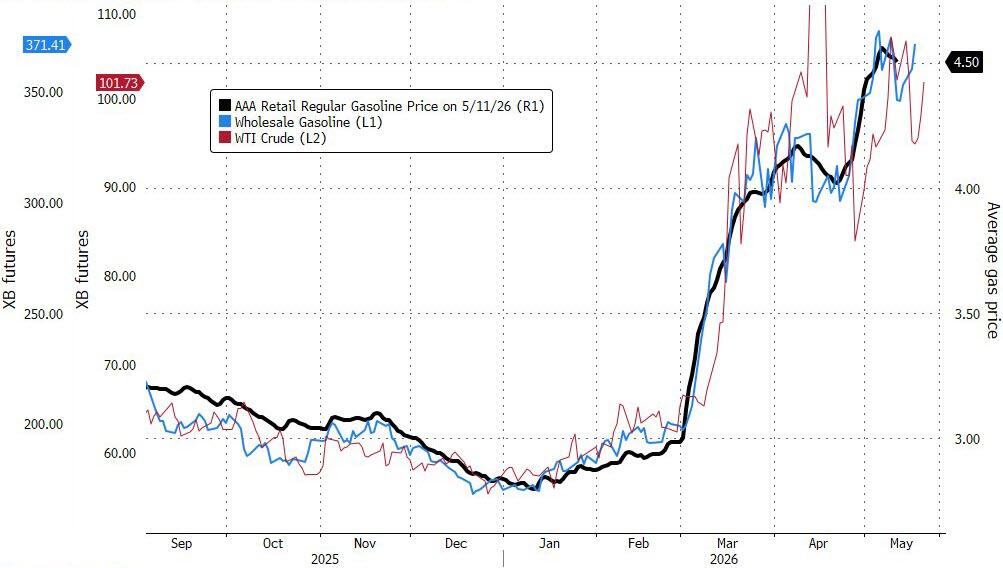
In a news release on Monday, the Department of Energy (DOE) announced it would release the crude oil from its sites in Louisiana and Texas to contribute to the International Energy Agency’s (IEA’s) move to stabilize the price of oil, which has often risen above $100 per barrel since the conflict started on Feb. 28.
As of Tuesday morning, the price for a barrel of Brent crude oil rose slightly to $108.
“Deliveries will begin immediately as the Department continues to move swiftly to address short-term supply disruptions and strengthen U.S. energy security,” the agency said in a statement, adding that petroleum companies “may begin scheduling deliveries immediately.”
The DOE, according to the news release, will “evaluate market conditions and operational capacity as it advances additional steps to meet the full United States commitment under the coordinated international release.”
Trafigura is taking the largest haul of nearly 13 million barrels, followed by Marathon and Exxon Mobil Corp, the US Energy Department said Monday.
Near-record volumes of government oil are flowing to market in a bid to rein in prices at the pump ahead of the busy summer driving season.
As Jack Phillips reports for The Epoch Times, participating petroleum companies can also use President Donald Trump’s usage of the Jones Act waiver, a federal statute that requires all goods transported by water between U.S. ports to be carried on American ships with American crews, to help “accelerate critical near-term oil flows into the market,” the DOE release said.
The DOE has already loaned around 80 million barrels from the reserve in recent weeks, bringing the total to 172 million barrels.
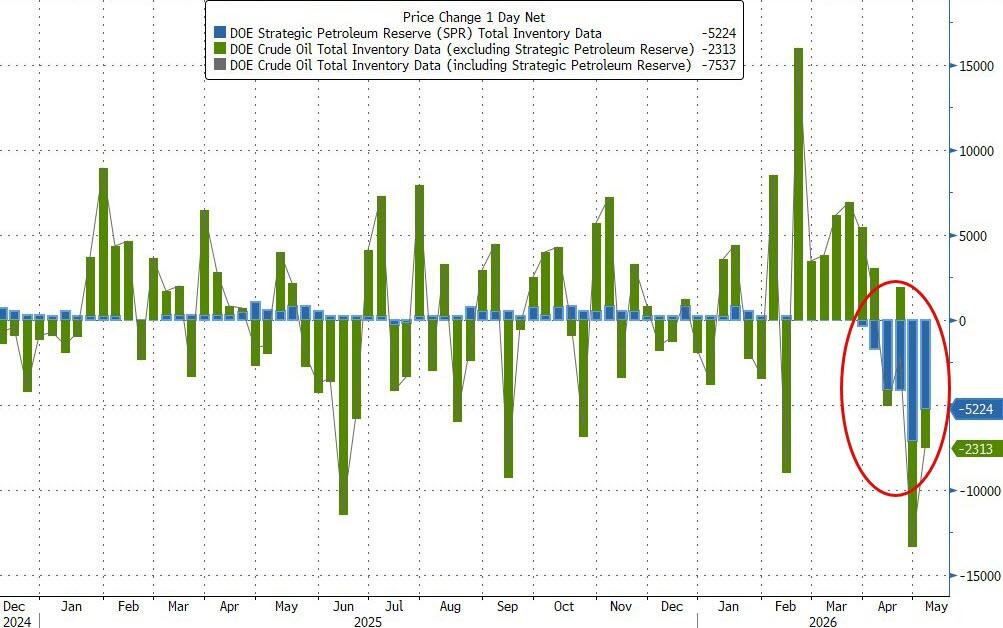
The U.S. government had agreed to that larger amount in March in a pact with more than 30 countries in the IEA to release about 400 million barrels.
The oil will be released between June and August, when refiners crank up as gasoline demand peaks.
The decision is an attempt to mitigate the price increases caused by the effective closure of the Strait of Hormuz, a key waterway through which about one-fifth of the world’s oil passes on a normal day. Iran has launched strikes and threatened commercial vessels in the strait, while it has also said it would create a legal framework to oversee the transportation of ships in the area.
Fatih Birol, the IEA’s director, has said the Iran war has created the biggest-ever energy crisis.
If supply disruptions from the war persist, the agency is ready to release additional oil from strategic reserves, Birol said on May 7.
So far, member countries have released 20 percent of available reserves, Birol said.
“This is indeed the biggest crisis in history,” Birol told France Inter radio in an interview broadcast on April 21.
“The crisis is already huge, if you combine the effects of the petrol crisis and the gas crisis with Russia.”
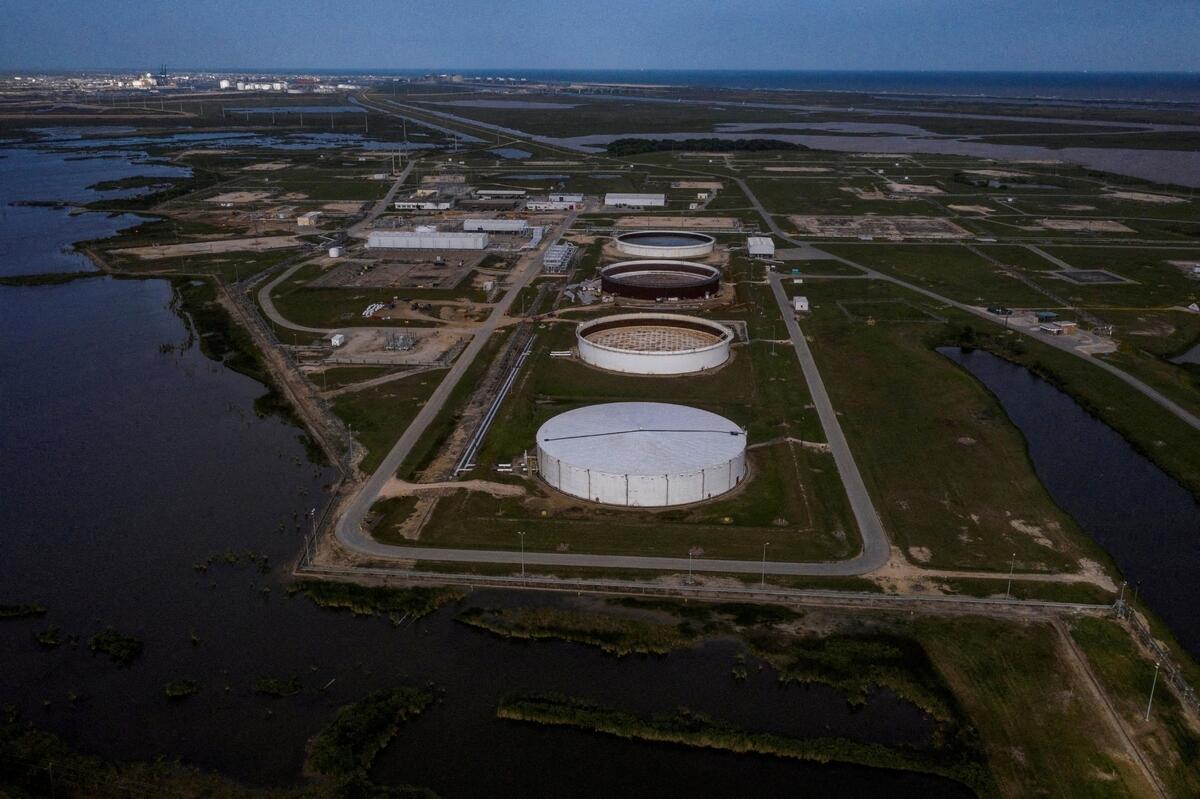
The SPR, held in caverns at four sites on the coasts of Texas and Louisiana, currently holds about 393 million barrels.
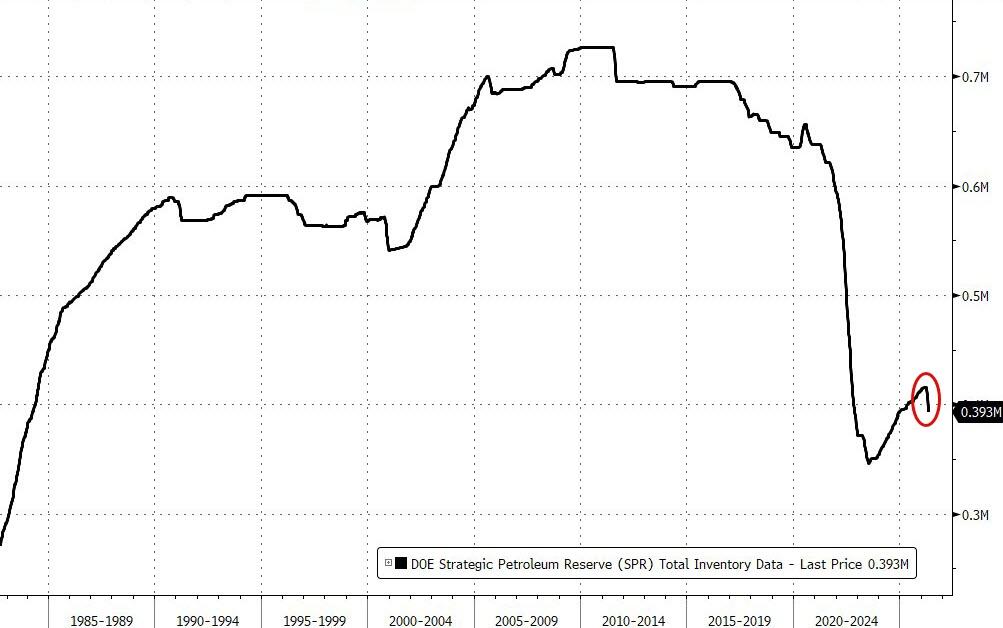
The Trump administration committed to release 172 million barrels in a so-called exchange program, where oil is loaned to companies and must be returned in kind at a later date.
So far the US has agreed to release 133.1 million barrels.
It’s unclear if the energy department will hold another offer until it meets the 172 million-barrel target.
Not all the oil remains in the US. Part of it is being exported to Europe and South America.
The announcement from the DOE comes as Trump said on Monday at the White House that he rejected the latest peace proposal from the Iranian regime and signaled that a already-tenuous ceasefire between the United States and Iran is on “life support.”
Also on Monday, Trump said he would move to suspend the federal tax on gasoline in a bid to lower prices at the pump.
Tyler Durden
Tue, 05/12/2026 – 17:20
via ZeroHedge News https://ift.tt/Z5yIusQ Tyler Durden