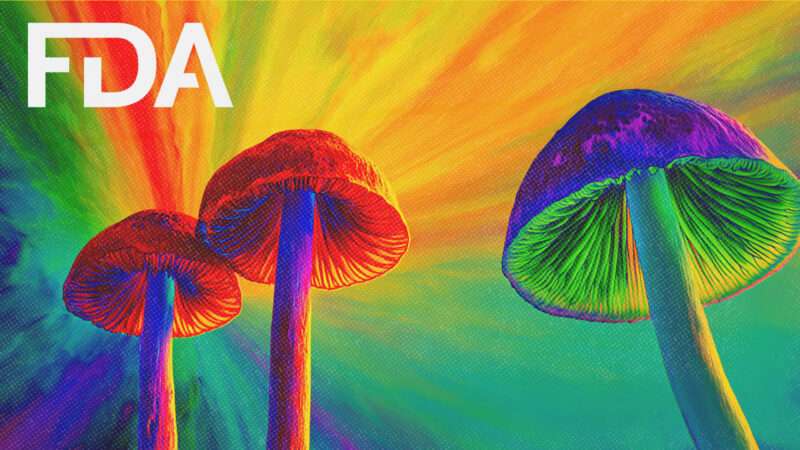
The federal Food and Drug Administration nannies have been tormenting Americans for decades, which is no surprise given the pitfalls of putting bureaucrats in charge of such an important function as determining the safety of our food supply, and evaluating drugs and medical devices. Frankly, it’s amazing that we all haven’t starved to death or been denied basic medications, given the FDA’s Byzantine approval process.
One need only look at, say, the FDA’s nine-page regulation regarding the proper classification of “frozen lasagna” to understand its arbitrariness: “The lasagna noodles shall comply with the FDA Standard of Identity for Macaroni Products (21 CFR § 139.110) or Enriched Macaroni Products (21 CFR § 139.115) or Noodle Products (21 CFR § 139.150) or Enriched Noodle Products (21 CFR § 139.155).”
On a more serious note, the FDA process can be deadly. As George Mason University economist Alex Tabarrok has explained, the agency “has an incentive to delay the introduction of new drugs” because if it approves a bad drug the “victims are identifiable.” If it fails to approve a good drug—or delays its approval for decades—”people die but the bodies are buried in an invisible graveyard.”
In the past, Republicans focused on streamlining approvals, but under the odd leadership of Health and Human Services Secretary Robert F. Kennedy Jr., the agency has focused on banning or promoting different types of products based on alternative scientific ideas. Now the FDA is telling nursing homes not to provide Jell-O and other harmless foods. The man who admits to snorting cocaine off of toilet seats is suddenly concerned about seed oils.
One of the benefits, however, of the Trump administration’s Overton-Window-shifting approach toward health policy is its lighter touch toward substances that previous administrations had approached with a prohibitionist view. Recently, the FDA has agreed to consider the approval of some flavors in tobacco and nicotine products (vaping, snus) to potentially help adult smokers quit their deadly habit. Despite the outraged headlines, the proposal doesn’t go very far in allowing these products to meander through the interminable federal review process.
The administration also has issued an order rescheduling marijuana, but the fine print again suggests that there’s much less here than meets the eye—even though any efforts are welcome to jumpstart the testing of cannabis-related pharmaceuticals. The latest major drug-related news, courtesy of a federal executive order issued last month, would remove “federal barriers to psychedelic drugs” as a “treatment for serious mental illness.”
This, too, is encouraging, although real change will take more than an executive order. Basically, the administration is rescheduling some psychedelics as Schedule III, which means they show a low potential for dependency. That can fast track clinical testing provided there’s serious follow through over at FDA, which is never a sure thing. It’s a positive development, but a far cry from legalization or decriminalization.
As the administration acknowledges, the use of psychedelics (such as psilocybin mushrooms or ecstasy) as part of a certified treatment plan shows broad potential for helping people deal with depression, especially veterans who are fighting the effects of PTSD. In my day, psychedelics were something one might take before listening to the Grateful Dead, but this isn’t about recreational uses (not that the federal ban has stopped the black market).
One of the nation’s top researchers on this topic, UCLA professor of psychiatry Dr. Charles Grob, is optimistic that the administration’s efforts—especially if it includes the promised funding—will have a positive impact. The therapy has been particularly helpful, he said in an interview, for people fighting addictions, those with traumatic brain injuries, and those with terminal conditions who are battling depression and demoralization.
Grob finds it ironic that psychedelics went from a left-wing interest in those Grateful Dead days to a drug embraced by veterans’ groups and big pharmaceutical companies. In fact, a major advocate for the therapy is former Republican Gov. Rick Perry of Texas, a veterans’ advocate. Although not without risks, psychedelics can provide a “mystical experience,” with people having a “waking dream” where they can gain “insight into their own particular histories,” he added. I once interviewed a veteran who said the therapy let him dispassionately analyze his life and problems.
One needn’t have a strong view about psychedelics—or cannabis or nicotine, for that matter—to realize our society can be healthier and freer if individuals can make their own informed choices about what they ingest. And it’s not like the Nanny State always gets it right, as shown by ever-changing research on the health benefits or demerits of red meat, butter, and wine-drinking.
I’d prefer a choice-based system where substances—whether psychedelic therapies or frozen-lasagna recipes—rely more on private certifications rather than decisions of risk-averse federal officials. Still, the administration’s executive order is a promising first step on a very long bureaucratic staircase.
This column was first published in The Orange County Register.
The post The FDA's New Psychedelic Rules Are Groovy, but the Agency Is Still a Bad Trip appeared first on Reason.com.
from Latest – Reason.com https://ift.tt/jvtLo80
via IFTTT