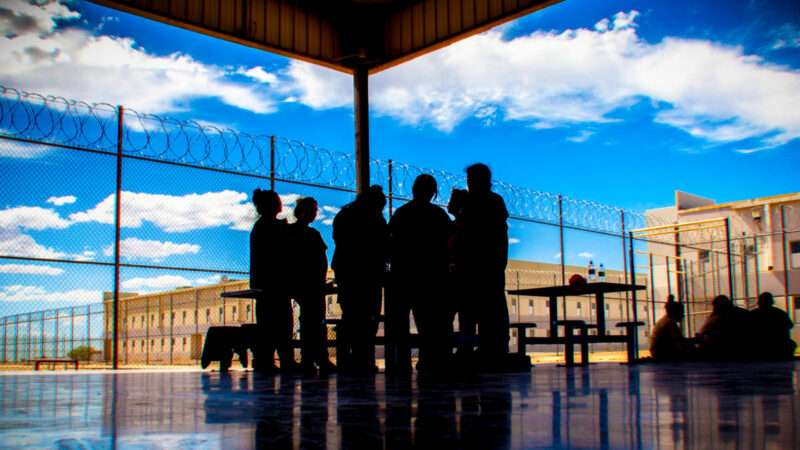
After filing a motion to reopen an immigration case, attorney James Jones spent months trying to determine where his client had gone. First he was told she was in Texas. Then Louisiana. Then somewhere else entirely. Eventually, after repeated inquiries, he was informed that she had already been removed from the country. By then the court had granted the motion to reopen, but nobody could locate her to attend the hearing.
“They ran the clock out and ran me around the country until they literally removed my client from the United States,” Jones told FOX Carolina.
His story highlights an important question in deportation policy: What obligations does the government assume once it takes custody of someone?
The answer should be straightforward. Detention may limit a person’s freedom, but it shouldn’t sever that person’s connection to the outside world. The government has a responsibility to ensure people remain reachable, locatable, and accountable within the system. That obligation is especially important at a time when more than 28,000 people (as of May) are being held in detention while facing deportation proceedings, nearly half of whom don’t have legal representation.
A June investigation by The Marshall Project found that Immigration and Customs Enforcement (ICE) has dramatically increased the use of rapid transfers between detention facilities. From the final year of the Biden administration to the first year of President Donald Trump’s second term, the number of detainees transferred five or more times more than tripled. The number transferred out of state within 24 hours more than doubled. Attorneys told The Marshall Project that clients effectively disappeared for days while being moved around the country.
Transfers are not in themselves the problem. ICE has used a nationwide detention system spanning nearly 1,500 facilities and detention locations across the country over the last 17 years. Detainees must move around for a variety of operational reasons, including bed space, transportation logistics, medical needs, and security concerns. Any detention system requires flexibility. But the larger and more dispersed a detention network becomes, the more important it is that people remain easily locatable within it. Otherwise, those transfers create information black holes.
Uncertainty can linger for days. Attorneys have struggled to track down clients after transfers, while families are left calling facility after facility in search of basic information. In some cases, lawyers argue, rapid transfers leave little opportunity to communicate with clients or prepare legal filings before another move takes place.
At the very least, ICE should provide timely notice to attorneys of record when transfers occur. Detainee locator systems should be updated promptly and accurately. Detainees should have reliable opportunities to communicate with family members and legal counsel. And Congress should require more transparency about transfer practices and outcomes, so that courts, policymakers, and the public can evaluate how well the safeguards are working.
The post ICE Transfers Shouldn't Be Leaving Families in the Dark appeared first on Reason.com.
from Latest – Reason.com https://ift.tt/0Q3JiLx
via IFTTT