Trump Admin Approves Public Release Of OpenAI’s GPT-5.6 Models Ahead Of Thursday Release
The Trump administration has approved the wide public release of OpenAI’s advanced GPT-5.6 model family, a source familiar with the discussions confirmed to Axios on Tuesday. OpenAI announced late Tuesday night that its flagship model, named Sol, along with the more accessible Terra and Luna variants, will launch publicly this Thursday.
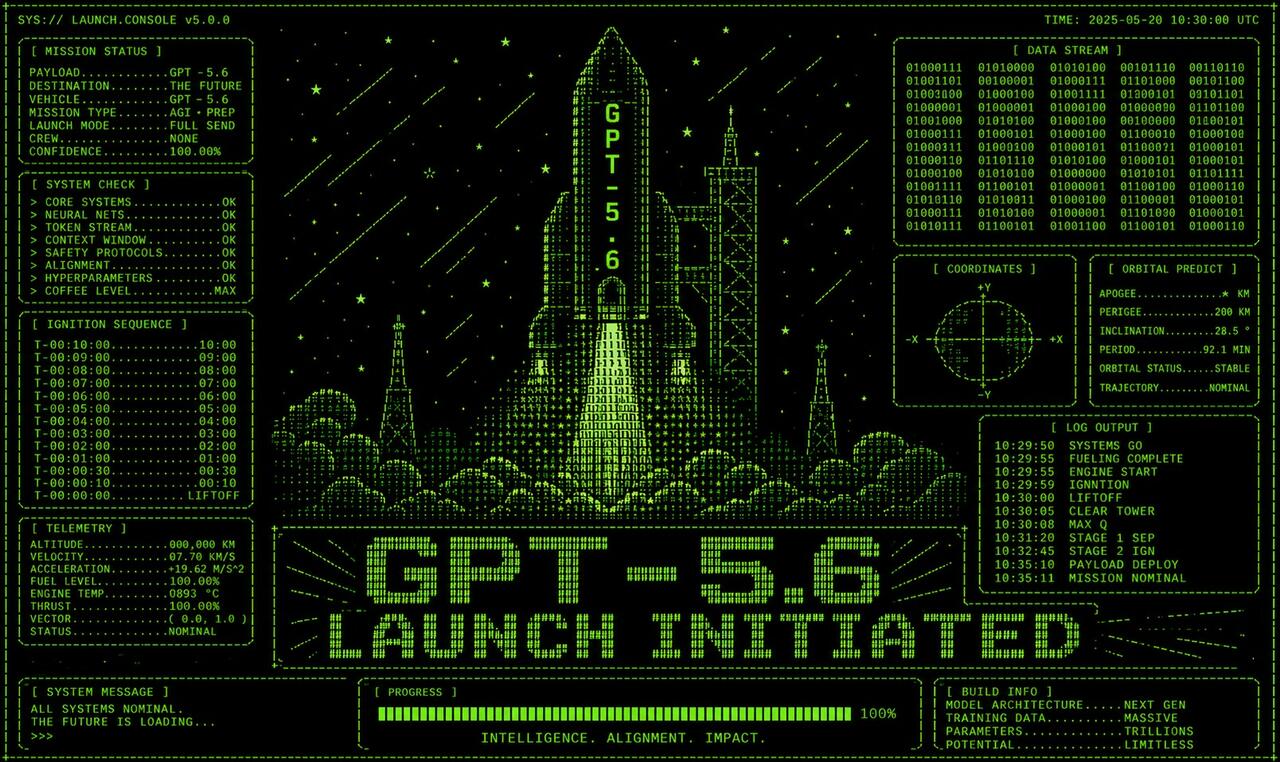
The decision marks the latest delayed rollout due to coordination between the U.S. government and leading AI companies over access to frontier systems.
GPT-5.6 Sol, along with Terra and Luna, will launch publicly this Thursday.
We’re expanding preview access globally now. pic.twitter.com/Uk5HcfSc2e
— OpenAI (@OpenAI) July 8, 2026
GPT-5.6 sol launches thursday!
happy building
— Sam Altman (@sama) July 8, 2026
OpenAI announced the models in June – with an initial commitment to allow a select group of organizations access whose “participation has been shared with the government,” according to a blog post. According to the company, “we’re introducing a new max reasoning effort to give Sol the most time to reason deeply. Additionally, we’re introducing a new ultra mode that goes beyond the capabilities of a single agent by leveraging subagents to accelerate complex work.”
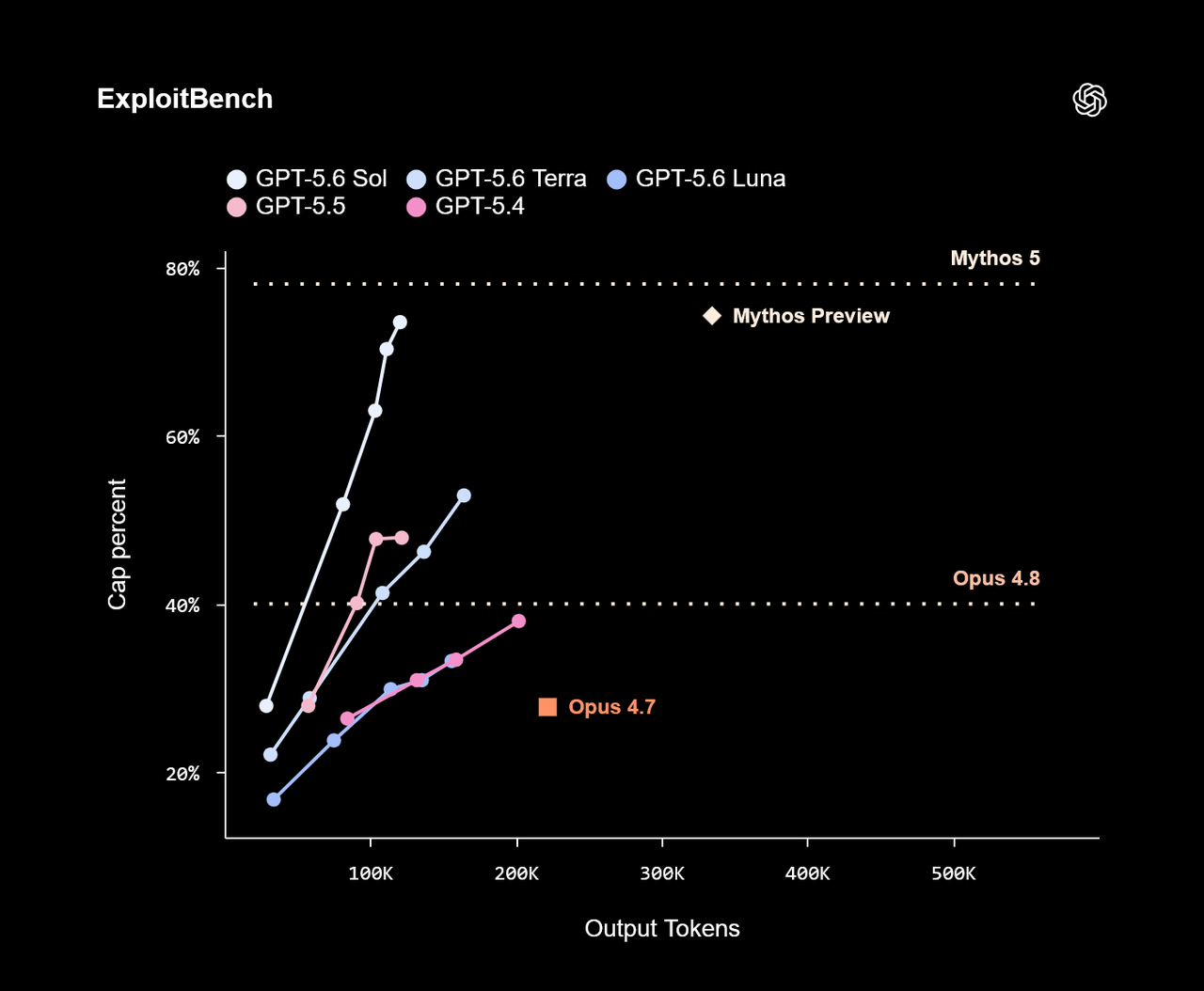
Last month, the administration directed OpenAI to begin with a limited release of GPT-5.6, restricting early access to government-approved entities only. OpenAI had publicly stated at the time that a staggered approach was not its preferred method and that both companies and regulators were operating without finalized standards called for in President Trump’s recent AI executive order.
The new green light followed additional testing and meetings – with technical experts from OpenAI traveling to Washington, D.C. to answer questions during the review process. The evaluation was conducted by the Center for AI Standards and Innovation (CAISI) within the Department of Commerce – the entity responsible for assessing advanced AI systems for safety, security, and standards alignment.
The New Normal
Powerful AI models are no longer released solely at the discretion of their creators. The U.S. government and top AI labs are actively negotiating – model by model, in real time – who gets access and under what conditions due to concerns over national security, potential misuse, the need to maintain American leadership in AI while managing downsides. Of course, big brother is also shackling US models while cheaper, more efficient, open-weighted Chinese models are starting to dominate. That said – China is now considering restricting access to their models.
we distilled 2.3M Claude Fable 5 reasoning traces into Qwen3-4B
– 100% self-consistency @ 512 samples
– 0.00 bits output entropy
– zero hallucination varianceturns out the student is not bounded by the teacher.
it also converged on one universal truth.we open-sourced the… pic.twitter.com/3zmwhW6Twj
— ali (@waterloo_intern) July 3, 2026
In June, the Commerce Department issued export controls that barred foreign nationals from accessing Anthropic’s most advanced models, Mythos and Fable. The restrictions were so broad that Anthropic temporarily withdrew the models from the market entirely to comply.
The ban on Fable was lifted last week, with customer access restored the following day after safeguards were implemented – and users reporting performance hits thanks to the beefed up guardrails.
Fable 5 isn’t nerfed, it’s SLAUGHTERED.
the problem isn’t even the model itself, but the hard guardrails Anthropic has set in place. https://t.co/lAOKYMqbQ9 pic.twitter.com/h1QgD9SzvK
— ℏεsam (@Hesamation) July 2, 2026
So, this is the new normal. Companies like OpenAI and Anthropic have said they are working with the government while clearer, more standardized release frameworks – outlined in the administration’s executive order – are still being finalized.
For developers and users, the immediate outcome is positive: after weeks of limited availability, GPT-5.6’s full capabilities will soon be open to the broader public and enterprise customers. For policymakers, it demonstrates that targeted reviews and technical collaboration can resolve concerns without indefinite delays.
Tyler Durden
Wed, 07/08/2026 – 10:25
via ZeroHedge News https://ift.tt/SU4CGnP Tyler Durden