RFK Jr. Effect: “Rotation Out Of Healthcare Stocks Shows No Signs Of Abating”
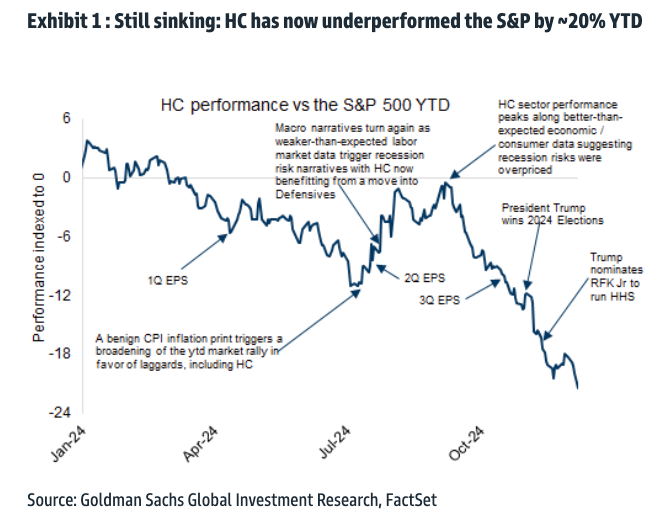
Shares in vaccine makers and healthcare firms tumbled after Donald Trump nominated Robert F. Kennedy Jr. to lead the Department of Health and Human Services last month. Weeks later, Goldman analysts on Friday told clients that the “post-election theme of rotating out of the healthcare sector still shows no signs of abating.”
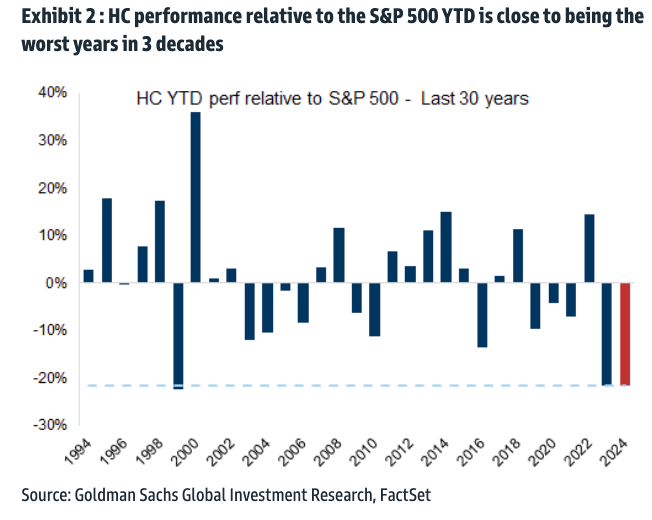
The team of analysts led by Asad Haider pointed out that the Health Care Select Sector SPDR Fund’s (XLV) year-to-date performance relative to the S&P 500 is now tracking toward the worst in three decades.
“With sentiment so despondent across so many segments of HC, we are fielding increasing inbounds on what it will take to reverse the generalist bleed,” Haider said.
According to the team of analysts, here’s what needs to happen to stop the hemorrhaging in healthcare stocks:
“Outside of a few narrow segments where there still seems to be some generalist appetite on optimism on the fundamental outlook and/or execution (LLY, parts of MedTech, Distributors, link), this is tough to know — though at the highest level, what seems needed for a broad sector recovery is likely some combination of:
A macro shock (this week’s inline payrolls number and above expectations UMich consumer sentiment index reading, link, are arguably not helpful for the marginal $$ into HC, outside of tactical risk-on expressions in segments like the XBI);
Policy clarity (where it remains to be seen what the “clearing-event” will be, given the wide range of debates around potential outcomes); and
Positive earnings revisions (which are still lacking across broad swaths of HC; link, and seem particularly important). Barring these, the bar for a sustained sector rebound is likely to remain elevated (valuation and dividend yields are not really resonating as primary reason to dip into the sector) and hedge-fund driven volatility (link) seems likely to continue.”
Timeline of events that triggered selling pressure across healthcare stocks…
The industry’s performance relative to the S&P 500 year-to-date is some of the worst in three decades.
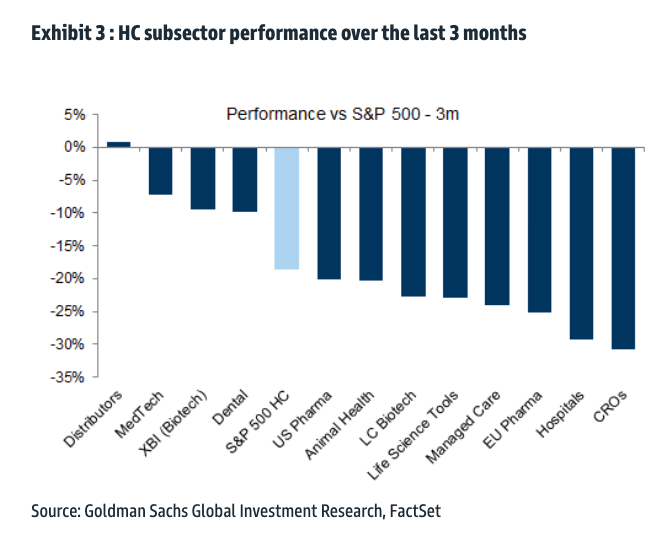
Here are the subsectors getting hammered the most.
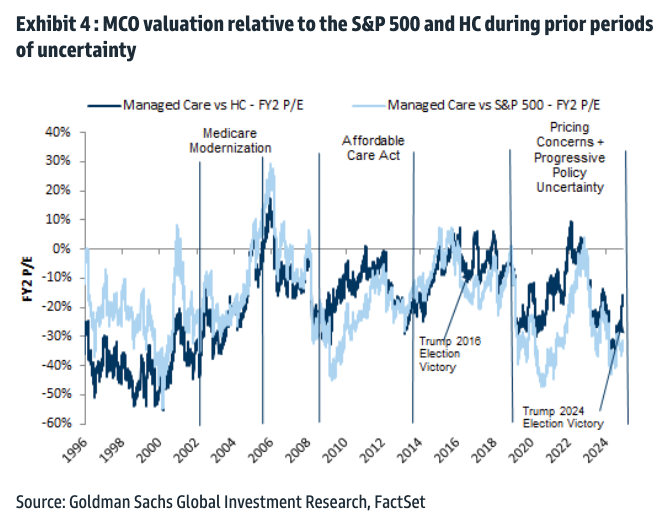
Three decades of critical events affecting healthcare valuations.
President-elect Donald Trump joined NBC News’ “Meet the Press” on Sunday. Trump provided more insights into what RFK Jr. will do once he gets into HHS.
Trump just put on an absolute masterclass in this Meet the Press interview:
Welker: Do you want to see childhood vaccines eliminated?
Trump: Uh, if they’re dangerous for the children…
Welker: Studies show there is no link between vaccines and autism.
Should the dip in beaten-down healthcare stocks be bought, or does a further clearing event need to occur first? Even Goldman analysts were not entirely sure.
December Is A Tough Month In Which To Turn Bearish
By Peter Tchir of Academy Securities
Hey Mate, The Genius of Mariah Carey, and More
Having just returned from London where we watched consensus for a “Santa” rally grow, it seemed like a good time to discuss a couple of things:
Things we didn’t know we needed, but apparently, we did.
Biggest differences between our London and U.S. geopolitical/macro meetings.
We will address positioning, consensus, and I daresay, overbought conditions early in the week, as we recover from jet lag, but for today, these “concepts” are top of mind.
The Genius of Mariah Carey
Who knew that the world desperately needed a new Christmas song? Apparently Mariah Carey did when she released “All I Want For Christmas Is You” back in 1994 (I have to admit, I didn’t realize that it had been around for so long). This song now appears at or near the top of every single holiday playlist, and according to AI (which I believe in this case), it has generated more income for her than anything else she has written.
So what else is there in terms of things that we didn’t think we needed, but maybe we do? Let’s start with BITCOIN.
Bitcoin broke $100,000 last week. Despite a plunge of 10% in a matter of minutes (wild ride), it managed to reclaim $100k and is trading right around that level as we write this T-Report. I’m highly confident that by the time you read this report it will be somewhere between $90k and $110k (which is a pretty wide range, almost laughable, yet the sort of range we all are forced to accept when we get the monthly jobs data foisted on us – see A Tale of Two Reports).
The move in Bitcoin is largely understandable (so far) and I wouldn’t fight it, yet. President-elect Trump and his crypto entourage (entourage feels more appropriate than administration when looking at crypto) are clearly going to provide more clarity (and ease of access) around crypto than it was getting of late (despite approvals of “spot” ETFs, etc.). His team has a lot of people really fixated on crypto and it certainly seems as though that community put a lot of money into the election (however, not for the first time as SBF, in particular, seemed to have been a major contributor during the prior election).
There is chatter about the U.S. holding on to the Bitcoin it already has (mostly captured, “shockingly,” through raids on criminals). Typically, the U.S. sells these holdings over time, but there is a big push for the government to hold them. That at least makes some sense to me, as behavior around “free” or “found” money tends to be different than money that is earned (one main explanation for all the luxury stores in Vegas).
There is a loud and vocal group (everything about crypto tends to be loud and vocal) that wants the government to buy Bitcoin. Effectively issue debt and buy Bitcoin. The assumption (or presumption, or just wild fantasy) is that the increased value of Bitcoin down the road will pay off that debt. You could argue that it is being done on a personal level and maybe even on a corporate level, so why not at the government level? I completely disagree with this concept.
The future price of any asset, let alone one with a lot of digital ones and zeroes, is not certain – despite what the crypto hype will currently tell you. I’d much rather have seen the U.S. buy stocks years ago. They at least have a long track record of working over time and generally supporting the U.S. economy. I don’t see this with crypto (despite Bitcoin having had an incredibly strong annual and decade-long performance). The fact that I’m even compelled to write this opening sentence is bizarre, but it seems necessary (or maybe I just spent too much time on Twitter while on the road). Even the complete rug pull of the HAWK “meme coin” has done little to shake the conviction of many that crypto and the meme coins are the easiest path to becoming rich (going forward).
Despite Trump sending a “you are welcome” congratulatory social media post to the crypto community when bitcoin crossed $100k for the first time, I find it difficult to believe his love affair with crypto will last. He likes “control” and by definition no one controls crypto. However, the reality is different – from just a few holders owning a disproportionately large portion of Bitcoin, to influencers who seem to be allowed to say and do anything to pump the price, it remains the wild west. My first “rule of crypto” remains true – that there are no rules in crypto. The love affair is still in the early stages, and Trump does have loyalty to those who helped fund his campaign, but I don’t see this as a lasting relationship, especially as he will likely get a lot of pressure from the National Security element of D.C. to be cautious on helping crypto too much.
But, for now, it is apparently something that many didn’t think we needed, but maybe we do? I can’t believe it will last, but it is out there and something to discuss at holiday parties!
Speaking of things that I don’t think we need, but apparently we do, just look at MSTX! I do not like the concept of single stock ETFs. Leveraged single stock ETFs, where the returns are path dependent (daily rebalancing requires, at the close, selling on down days and buying on up days to rebalance for the next day). That is a drag over time. But here we are. MSTX has a market cap of $2 billion with an expense ratio of 1.29%! It was only launched in August. So, less than 6 months into its existence, the Defiance Daily Target 2X is on a run rate to generate $25 million per annum! The “beauty” of MSTX, is that it is well known (and quite simple) to run a leveraged ETF and things like NVDL have provided a path for regulatory clearance documentation. NVDL is another single stock ETF, with $6 billion of AUM and a 1.06% expense ratio – on a run rate of over $60 million per annum, at the 1-year mark. Who would have thought that you could create $25 million or more, just by leveraging up a widely held, easily tradable, stock? Not me, but there it is.
While I’m not sure that any of these things point to a “bubble” mentality, I think they start to fit the narrative, especially with the rise of leveraged single stock ETFs, and their story will come up in our positioning and consensus report.
Maybe we all need to think like Mariah and even if others don’t see the need, to go ahead and put it out there?
London
Let’s start this section with a holiday song, too. I knew, as we were going down into the tube station and the GIG members we were with questioned the choice of “Fairytale of New York” (a song played by a busker in hopes of making money), that we had a lot of interesting things to discuss! He literally recognized the Pogues in about 3 beats.
But I digress (kind of) and there are a few key takeaways that came up that are worth mentioning.
Russia and Ukraine. Consensus even amongst our Geopolitical Intelligence Group members including General (ret.) Sir Nick Parker, who ran security for the London Olympics and Admiral (ret.) Sir George Zambellas, who was also the First Sea Lord, was that the road to peace is far less likely than “we” (the Americans) think. A big part of this, or really the main reason for this, is that Europe is much more afraid of giving anything to Putin than the U.S. seems to be. The immediate extrapolation is that giving Putin anything will lead to him coming back, in very short order, to take more. While the companies and banks we deal with in the U.S. have operations in the region, we don’t often talk to the people directly supervising those areas on or near the borders of countries that Putin could go after next. I’m still digesting the conversation, as a more pessimistic view on the outcome is interesting and plausible, but I’m still in the camp that we see some sort of deal reached. I also think that the “U.S.” narrative on how it could play out helped the conversations, but this was definitely a discussion where the differences were acute.
The conclusion, if we are correct and there can be a deal early in the Trump administration, is that the companies who are prepared to move quickly and aggressively back into the region have a lot to gain, as many are very nervous.
Poland is front and center in terms of places to invest. Not just now, but certainly on the back of any peace deal, as they will be an integral part of NATO’s strategy going forward and the nation has really shone during the war! I’m not sure how to invest in Poland, but hands down they have been a “winner” during the conflict and are likely to be an even bigger winner if a deal is reached.
Finding things to like about Trump. As discussed in An Amazing Country, we came across regional differences (and differences by industry) regarding how people were viewing the future. We’ve already pointed out this chart – CONsumer CONfidence by party, where “shockingly” (maybe I spent too much time in the U.K. and am letting my sarcasm take over more than usual) Republicans now have a better outlook on the economy than Democrats.
So, we see some of the concern about President-elect Trump here, but it was more pronounced in Europe.
When we discuss the possibility that M&A activity will “normalize” under Trump (the FTC won’t waste ammunition on every single case, especially on cases where it is clear from the start that they won’t win), people get genuinely interested. For anyone in banking, a return to a healthy and readily understandable M&A framework will be good for business. It gives corporations a lot more avenues for growth. That argument just didn’t seem to garner the excitement in the U.K. as it does here. Maybe, because much of the business will be in the U.S. and in many cases we weren’t talking to those who would benefit most directly from that business, it was a contrast that is making me think.
Is the separation of the U.S. and Europe likely? Is there a rift that is widening? I don’t know, and I don’t think so, but I’m certainly thinking more about it. Without a doubt, the Russian invasion of Ukraine has tightened the ties within NATO, at least from a military perspective. But from an economic standpoint, are the relationships fraying? Is the U.S. big enough to “go it alone” versus China? Can Europe “fight” China? Should it? I think so, but that isn’t the vibe there. In recent years, whether it was the European Debt Crisis or Brexit – Germany (and to a large degree France) were pillars of strength for the EU. The German economy was a juggernaut and both countries remained committed to policies that the EU had embraced wholeheartedly (like immigration). The German economy is struggling (basing an economy on cheap energy from a country like Russia and relying on sales into a country like China “might” not have been the best strategy) and politically the environment is changing in both countries.
Everyone is curious about the D.O.G.E. and what can be accomplished. In response to my “over/under” comment on how long the Trump/Musk relationship will last, one client had a great story. They were at a wedding, where unbeknownst (wow, I did spend too much time in London) to the couple, people were making side bets on whether they would last a year (they didn’t).
A lot to unpack.
Should U.S. stocks be trading at much higher multiples than European stocks? I don’t know and that is especially true given how global many of the companies are, but as much of a contrarian as I am, I’m not sure I’m ready to bet on mean reversion next year. I probably should, and maybe it was just a “vibe” while there, but I didn’t walk away thinking I need to pound the table on European stocks. That could change (and positioning and consensus is so set up for a contrarian), but it isn’t top of mind.
Top of Mind
Trump likes “chaos.” He likes his starting positions in negotiations to be “extreme.” Since consensus has now accepted his current positions as “normal,” look for him to ratchet up his rhetoric to reset the negotiation starting points even further away.
Bottom Line
I do not like Treasury yields here. Friday’s reaction to jobs was too optimistic for cuts and I expect that yields will push higher in the coming weeks. Not much higher (4.4% on 10s would be a buying opportunity), but the squeeze and the overly pessimistic views on inflation prospects have been largely taken out of the market.
Doing more work on the positioning of risk assets, and if crypto and leveraged single stock ETFs are any indication, I’m not going to like my conclusion on what is next for risky assets (even in the sectors that I’ve liked). I was a bit surprised that the S&P 500 is up “only” 1.6% in the past 30 days. With last week’s gain of just under 1% and all the hype and daily “all time high” headlines, I would have thought it was up a lot more than that for the past 30 days (the Nasdaq 100 was up 3.3% last week, but only 3% in the past 30 days).
Maybe, since my work is likely to make me bearish, I’m delaying the work because December is a tough month in which to turn bearish. Seasonality tends to be real and powerful. It also tends to be a month where trends are followed rather than broken, which again points to strength.
One thing that was reinforced both in Europe, but also by the headlines out of South Korea and Syria, is that the world remains volatile and we are in a “weird” position where President-elect Trump seems to be dominating the headlines, but President Biden remains in charge, and specifically is the Commander-in-Chief, which just seems weird to many who are used to very quick turnarounds post- elections.
Looking forward to another interesting week and our annual holiday party, which has grown a lot since I joined the firm, but still includes each of the branches singing their respective songs! The Marines are at a distinct advantage, given their number and how cool any song that starts with “From the Halls of Montezuma” has to be.
For what it is worth, I’m still voting for the Waitresses – “Christmas Wrapping,” as my favorite holiday song.
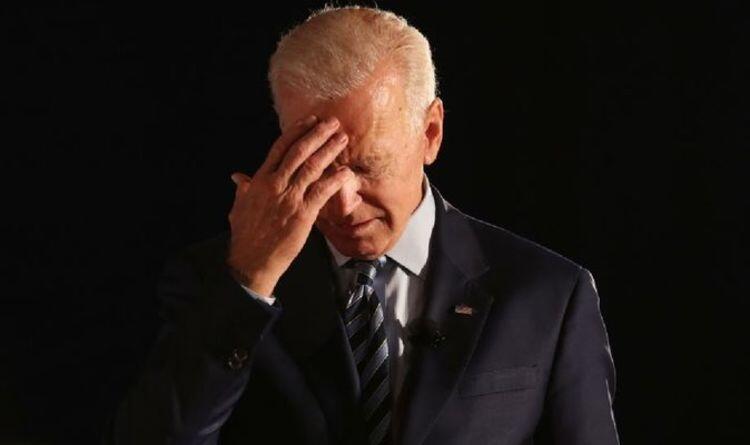
Biden ‘Worst President’ In Modern History; Devastating New Poll Finds
Voters have delivered a devastating verdict on Joe Biden’s time in office, branding him the worst president in almost 50 years.
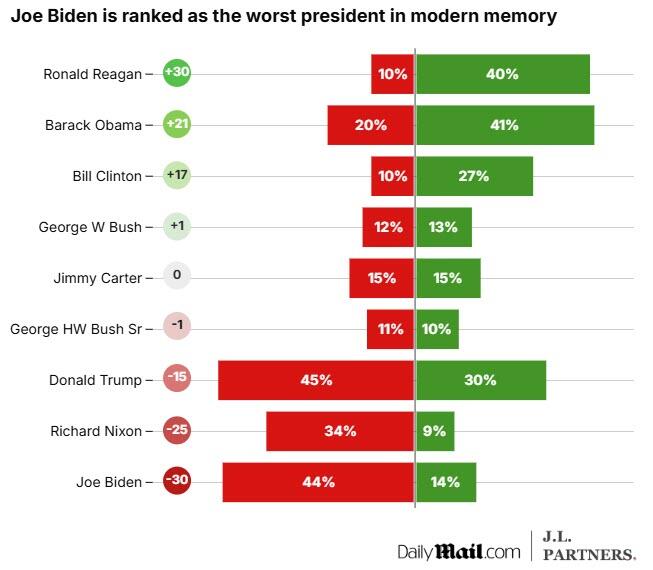
The poll results are extremely interesting because they partially reflect America’s profound partisan divide (Reagan and Obama had the same favorables, but Obama’s unfavorables were higher).
Meanwhile, Donald Trump had the third highest favorables but his unfavorables were second only to Biden’s, dropping him in the rankings.
The one thing, though, is that, of the 1006 registered voters polled, everyone thought Biden was totally awful.
Some 44 percent placed him as one of the worst two, while only 14 percent placed him in the top two, giving him a net score of 30 points underwater.
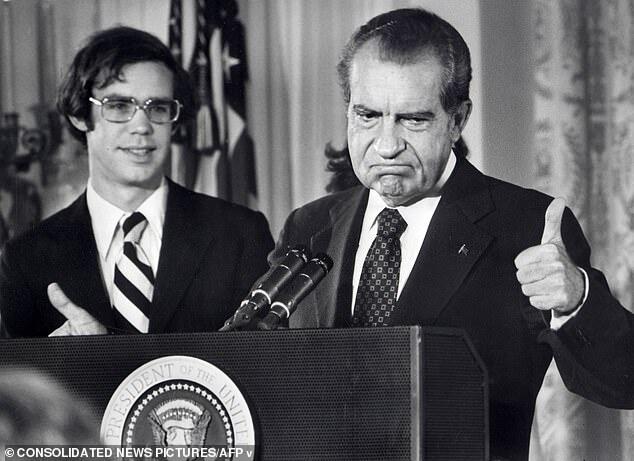
That was worse than Nixon, who came out with negative 25, and Donald Trump, with negative 15.
James Johnson, cofounder of J.L. Partners which conducted the poll, called it a ‘diabolical’ result for Biden.
“There’s always a recency bias and as Joe Biden is the incumbent, he starts off at a disadvantage there,” he said.
“But regardless of that, these numbers are worse than I expected.”
As Andrea Widburg writes at AmericanThinker, while time softened Nixon’s reputation, especially when it became clear that Mark Felt became Deep Throat, not out of principle, but out of pique because Nixon didn’t appoint him as the new FBI head, time will not burnish Biden’s presidency.
This will be especially true if the RINOs get out of the way and let Trump have the most spectacularly successful presidency in American history. Trump’s roaring economy, foreign policy successes, and sovereign border, along with the fact that his presidency will see at least some return to cultural normalcy, will make Joe Biden’s tenure look even worse.
The thing about Biden’s presidency is that he wasn’t a victim of circumstances.
Even Carter could be said to have been a victim of the Iranian Revolution, although it’s hard to imagine anyone handling it worse than he did.
Biden is unique in that he deliberately created the circumstances that made his presidency so disastrous. It was his affirmative, proudly touted policies that drove inflation, opened the border, and led to so much American weakness on the world stage that two potential “WWIII starting points” erupted. It was his values, his weaknesses, his corruption, and his senility that got moved events.
I sincerely hope that history is incredibly cruel to Biden. He will have left the White House 50 years after setting his sights on it, but I want his legacy to be tarnished in his own mind. Anyone who has wreaked such terrible havoc on this once proud nation deserves to be horribly aware of the disdain in which his countrymen hold him.
We haven’t published anything about bird flu since June. There hasn’t been much to say. Nevertheless, I still regularly comb through journals and news sites, ensuring we don’t miss anything potentially important.
During one such search yesterday evening I found this article in the journal Science, its title asking simply:
Why hasn’t the bird flu pandemic started?
…and, you know what, that’s a good question. Why hasn’t the bird flu pandemic started?
Not literally, of course. The bird flu “pandemic” won’t ever really start. If or when it is declared it will be a lie, just like Covid.
The question is why haven’t they started the big roll out yet?
That is obviously the plan after all.
The establishment has been signposting “the next pandemic” since before Covid sidled off the world stage. “Pandemic preparedness” has been a buzz phrase at all the intergovernmental panels and UN summits for at least two years. All the indications were that bird flu was the anointed successor.
But it’s all come to nothing so far.
Bird flu hasn’t become “the next pandemic”, it hasn’t become really anything at all, it’s barely even grazed the major news cycle.
Instead, the story has been stuck in a strange holding pattern, circling around with dire warnings of imminent danger, only to swoop away from the runway before its wheels touch down.
A pot that never boils despite the fact nobody’s really watching.
Why hasn’t the bird flu pandemic happened yet? What are they waiting for?
Well, Donald Trump, apparently, amongst other things.
That’s isn’t speculation, it’s definite messaging. It looks as if some sort of narrative about Trump failing to do enough, or the right things to handle the “crisis” might be in the offing.
Why the threat of bird flu makes Trump’s transition problematic – Could an unqualified public health leadership team deal with a new pandemic?
Mother Jones thinks “Avian Flu Could Define Trump’s Second Presidency”, the Nation asks simply “Will There Be a Bird Flu Epidemic Under Trump?”, AXIOS claims Trump’s potential bird flu response “raises alarms”.
NOTUS is already explaining why Trump’s planned mass deportations will make bird flu worse.
On November 26th, a guest article in the New York Times headlined “I Ran Operation Warp Speed. I’m Concerned About Bird Flu”, which opens:
As Donald Trump gets ready to return to the White House on Jan. 20, he must be prepared to tackle one issue immediately: the possibility that the spreading avian flu might mutate to enable human-to-human transmission.
Hmmm… so why must Trump be prepared to tackle bird flu “immediately” when they admit it has been hovering around being essentially harmless for two years already? Are they perchance conditioning us for what they already know they have planned?
Beyond Trump, the bird flu narrative has been migrating to the front pages in the weeks since the election (just in time to drive up the price of Thanksgiving and Christmas turkeys too – every little helps in the drive to impoverish and immiserate the 99%).
On November 25th, New York magazine was warning us about the USA’s “alarming bird flu strategy”.
Experts say bird flu is more widespread than we think: ‘We are in a soup of virus’
The New Scientist says “H5N1 bird flu is closer to gaining pandemic potential than we thought”, Scientific American that “Bird Flu Virus Is One Mutation Away from Binding More Efficiently to Human Cells”.
These “cases” allegedly indicate “the virus is showing signs of adaptation to human hosts”.A Dutch study done on ferrets and published three days ago, claims the latest variant of bird flu shows increased aerial transmissibility.
Just today, the US government ordered that – going forward – all milk has to be screened for bird flu before being pasteurized.
We’re being told about new test kits too, a breakthrough that can distinguish flu strains in just 3 hours.
The European Union has announced they will be “increasing monitoring” for bird flu going forward. Euractiv reports“Europe increases bird flu monitoring – is it the next Disease X?”
Chinese experts are warning that another strain – H2N2 rather than H5N1 – may have already jumped to humans. The Chinese government is reportedly planning to increase testing and surveillance.
In the UK, the Cambridge University journal Infection Control & Hospital Epidemiology published new recommendations for the potential containment of avian influenza in “healthcare settings”.
And of course there’s the vaccines, let’s not forget those. Keir Starmer’s government just signed a supply contract for five million doses. Very odd for a country without a single case so far.
Again, all those stories are from the last 2 or 3 days, and they hit some major talking points. Transmissibility, tests, adapting to humans, containment measures for hospitals, “increased monitoring”, buying up vaccines…these are major red flags.
This is exactly in line with our predictions for the next pandemic made back in April:
When will the “next pandemic” happen? Probably not until the winter, I would guess January 2025 at the earliest, for two reasons:
They need it to be flu season so they can co-opt normal seasonal deaths into their “pandemic” narrative.
I think they’ll want to wait until after the “big election year” is over so there are fresh governments in place.
Is that why the bird flu pandemic “hasn’t happened yet”? Were they waiting to get other pieces in the right places on the board?
CVS Health has removed photographs of its executives from the company’s website, a move confirmed to NTD News in an emailed statement on Friday. The reason for this action remains undisclosed.
“We can confirm that we removed the photos from our website, but have no other comment,” CVS told NTD News.
This decision comes in the wake of heightened security concerns within the health care industry, following the recent fatal shooting of UnitedHealthcare CEO Brian Thompson in New York City.
In response to the incident, several health insurance companies have taken precautionary measures. Medica, a Minnesota-based nonprofit health care firm serving 1.5 million customers across 12 states, announced the temporary closure of all six of its locations.
“Although we have received no specific threats related to our campuses, our office buildings will be temporarily closed out of an abundance of caution,” Medica stated. The company also removed biographies about its executives from its website as an extra safety measure.
UnitedHealth Group, Thompson’s employer, took similar steps by removing photos of its top executives from its website hours after the shooting, later removing their names and biographies as well.
Centene Corp., a major government health insurer, has moved its upcoming investor day on Dec. 12 to a virtual format.
CEO Sarah London said in a news release she was saddened to learn of the news.
“All of us at Centene are deeply saddened by Brian Thompson’s death and want to express our support for all of those affected,” she stated.
Authorities continue to investigate Thompson’s murder, exploring potential leads including the suspect’s possible bus travel from Atlanta to New York in late November, using information collected from Greyhound.
In a recent interview, New York Mayor Eric Adams told TV station WPIX he was confident the suspect would be caught.
“We are on the right road to apprehend him and bring him to justice,” he said.
The incident has sparked discussions about the security of executives across various industries.
According to Fred Burton of Ontic, a provider of threat management software, “I’ve been on the phone all day with some organizations asking for consultation, saying, ‘Am I doing enough?’” he told The Associated Press.
Dave Komendat, president of DSKomendat Risk Management Services, told AP that investor meetings like the one Thompson was going to attend when he was shot are often considered high-risk because of how they’re publicized.
“It gives people an opportunity to arrive well in advance and take a look at the room, take a look at how people would probably come and go out of a location,” he said.
Guinea Is The Deadliest Place In The World To Drive (Worse Than Libya!)
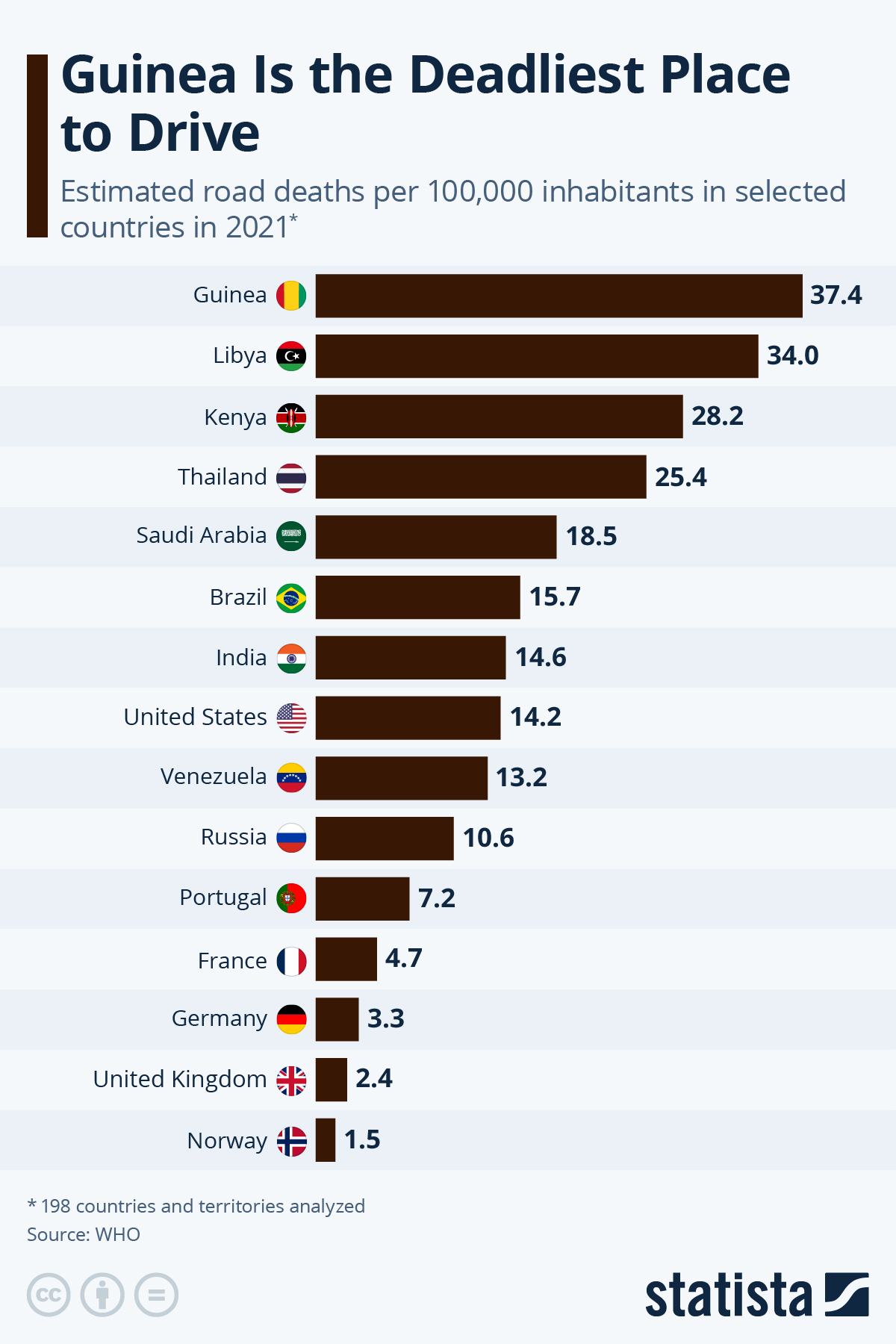
According to the World Health Organisation (WHO), an estimated 1.19 million people die in road accidents around the world each year. The United Nations General Assembly has set the target of halving this number by 2030.
Road traffic injuries have become the leading cause of death for people aged between 5 and 29 years old. According to the WHO, more than half of all road traffic deaths are of pedestrians, cyclists, and motorcyclists.
As Statista’s Anna Fleck shows in the chart below,road safety (or lack of) is a global issue. But in some places, road deaths are more likely than others, with as many as nine in ten road traffic deaths occurring in low- and middle-income countries.
According to the World Bank this is partly a result of “rising incomes in many developing countries have led to more motor vehicles and greater traffic volumes, but road safety management capacity, road infrastructure and enforcement of traffic safety regulations have not kept pace.”
Of 197 countries and territories analyzed in the WHO database, the West African nation of Guinea had the highest number of deaths per capita in 2021, when the most recent data was analyzed, at 37 per 100,000 inhabitants.
It is followed by Libya (34 deaths per 100,000) and Haiti (31 deaths per 100,000).
Although not fully illustrated here, Africa is the world region with the highest death rates, with 12 out of the top 20 countries listed as the most fatal countries worldwide for road deaths.
The United States comes in rank 79 with approximately 14 people killed from road accidents per 100,000 population in 2021.
A bill introduced into the U.S. House of Representatives by Rep. Clay Higgins (R-LA) would prohibit the U.S. from sending long-range ATACMS missiles to Ukraine to be fired into Russia.
ATACMS missile firing in May 2006. (U.S. Army/Wikimedia Commons)
As U.S. personnel and satellites are required to fire the missiles from Ukrainian territory, Moscow considers it a direct U.S. attack on Russia putting it in a state of war with the U.S. which could lead to nuclear conflict.
To remove the potential of nuclear war, the proposed legislation seeks to end ATACMS launches into Russia. The bill reads:
(a) Prohibition.—For the period beginning on the date of the enactment of this Act and ending at the close of January 20, 2025, notwithstanding any other provision of law, during any period for which a state of conflict exists between Ukraine and the Russian Federation—
1) no Army Tactical Missile Systems (ATACMS) may be transferred to Ukraine; and
(2) U.S. Military Services or intelligence agencies may not provide support to Ukrainian units operating High Mobility Artillery Rocket Systems (HMARS) platforms utilizing ATACMS munitions to strike outside of internationally recognized Ukrainian territorial borders—
(A) targeting intelligence support;
(B) mission planning support; and
(C) any other type of support.
Several members of Congress and their staff said they were taken off guard by President Joe Biden’s reversal of his previous decision not to allow the use of ATACMS to be fired into Russia from Ukraine.
The members and their staff made these remarks during meetings on Thursday on Capitol Hill with former U.N. weapons inspector Scott Ritter and activists of Code Pink, led by Medea Benjamin.
Biden Breaks With Realists
Biden had twice before sided with the Pentagon to avoid direct war with Russia.
In March 2022 he overruled his Secretary of State Antony Blinken to scotch plans for a NATO no-fly zone over Ukraine, which could have lead to direct conflict with Russia.
Biden opposed the no-fly zone, he said at the time, because “that’s called World War III, okay? Let’s get it straight here, guys. We will not fight the third world war in Ukraine.”
Then in September Biden deferred to the realists in the Pentagon to oppose long-range British Storm Shadow missiles from being fired by Ukraine deep into Russia out of fear it would also lead to a direct NATO-Russia military confrontation with all that that entails.
Putin warned at the time that because British soldiers on the ground in Ukraine would actually launch the British missiles into Russia with U.S. geostrategic support, it “will mean that NATO countries — the United States and European countries — are at war with Russia. And if this is the case, then, bearing in mind the change in the essence of the conflict, we will make appropriate decisions in response to the threats that will be posed to us.”
That was a clear warning that British and U.S. targets could be hit. Biden thus wisely backed off.
But after he was driven from the race and his party lost the White House last month, Biden suddenly switched gears allowing not only British, but also U.S. long-range ATACMS missiles to be fired into Russia. It’s not clear that the White House ever informed the Pentagon in advance.
Higgin’s bill was introduced as H.R. 10218 on Nov. 21, but none of the other House members that Ritter and Benjamin met with on Capitol Hill had heard of it. Nor was it reported in the mainstream media.
“We found that commonsense is actually alive and living here in the halls of Congress,” Ritter told Consortium News.
“Members of Congress and their staffs understand the danger of nuclear war. We found that there was a bill already written … that sought to achieve what we were trying to get them to do.”
Benjamin said:
“We are excited to push this bill, which we just found out about. … It will not pass, but the idea is to get momentum for it so that message is coming out there that there are members of Congress who want to see this reversed and that in the next Congress, they will introduce it again with a lot more momentum.”
“To stop a nuclear war comes down to one issue,” Ritter said:
“The United States has to stop attacking Russian soil with American-made ATACMS missiles. Even though we use a Ukrainian cutout, it’s American provided, American targets and American intelligence. It’s the Americans attacking Russia. From the Russian perspective, the United States is at war with Russia … which has triggered their nuclear doctrine.”
Lowers Mortality Risk: 11 Key Health Benefits From Drinking Coffee The Right Way
Coffee, one of the world’s most beloved beverages, offers more than just a comforting warmth and an energizing caffeine kick.
Increasingly, scientific research has begun to uncover the health benefits associated with coffee consumption, particularly due to its rich content of polyphenols like chlorogenic acid (CGA), which reduce inflammation and help prevent cardiovascular diseases and cancer.
As The Epoch Times’ Amber Young reports, Dr. Chang Chin-Chien, a renowned Taiwanese breast cancer specialist and author of “A Cup of Coffee Fights All Diseases,” outlined the health benefits of coffee and shared the best ways to drink it.
Coffee improves or fights the following 11 conditions.
1. Type 2 Diabetes
Research has found a strong correlation between habitual coffee consumption and a lower risk of Type 2 diabetes. Researchers explain that regularly drinking coffee can help protect liver and beta-cell function during the chronic metabolic stress phase that occurs before the onset of overt diabetes, thereby lowering the risk of developing it.
2. High Blood Pressure
Dr. Chang noted that initially, drinking coffee may lead to higher blood pressure. However, with habitual consumption, it can actually lower it.
A meta-analysis published in 2023 involving 25 studies with 463,973 participants found a negative association between coffee consumption and the risk of high blood pressure. One of the studies indicated that nonsmoking men and women who drank three to four cups of coffee per day had a lower risk of developing high blood pressure, while no significant association was found among smokers.
3. Cardiovascular Diseases
Coffee is beneficial for cardiovascular health. A study published in the European Journal of Preventive Cardiology conducted a 12 1/2-year follow-up on 449,563 participants with a median age of 58. The results showed that compared to noncoffee drinkers, individuals who consumed ground, instant, or decaffeinated coffee had a reduced risk of cardiovascular events and all-cause mortality, with the greatest effects seen in those who drank two to three cups of coffee per day. Additionally, the researchers found that both ground coffee and instant coffee were associated with a reduced risk of arrhythmias, while decaffeinated coffee showed no such association.
4. Periodontal Disease
Chronic inflammation of the periodontal tissues can lead to gum recession, alveolar bone loss and, eventually, tooth loss. A systematic review highlighted that daily coffee consumption may help prevent alveolar bone loss. Coffee contains various components with antioxidant and anti-inflammatory properties, including caffeine, chlorogenic acid, and caffeic acid. Furthermore, chlorogenic acid acts as an antimicrobial agent, which plays a role in combating periodontal disease. However, some studies have indicated a negative correlation between coffee consumption and periodontal health.
The researchers concluded that because of coffee’s complex composition, regularly drinking an appropriate amount may benefit periodontal health. However, excessive consumption may have a negative impact. The study suggested a daily coffee intake of two to five cups is considered safe.
5. Gout
Coffee can help alleviate gout caused by excessive uric acid. A systematic review found that coffee significantly reduces serum uric acid levels. Specifically, men must drink one to three cups of coffee daily, while women require four to six cups daily to achieve this reduction. The review suggests that moderate coffee consumption could serve as a primary prevention strategy for hyperuricemia and gout in both men and women.
6. Metabolic Diseases
The caffeine in coffee can stimulate metabolism. One study showed that caffeine can counteract the detrimental effects of inflammation and oxidative stress, potentially lowering the risk of various metabolic diseases. Additionally, caffeine intake through coffee benefits metabolism, cognitive function, physical performance, and hormone regulation.
7. Obesity
A study in Nutrients indicates that the bioactive compounds in coffee, such as caffeine, chlorogenic acid, trigonelline, and magnesium, exhibit anti-obesity effects. The researchers noted that drinking coffee can help reduce obesity, particularly for men. However, while coffee can help with weight management, it isn’t as crucial as a balanced diet and physical activity. Given coffee’s protective effects against chronic diseases, the researchers recommend including it as part of a healthy lifestyle to promote overall well-being.
8. Skin Conditions
While some people believe that coffee acts as a diuretic and excessive consumption may lead to drier skin, Dr. Chang suggests that the antioxidants in coffee promote microcirculation in the skin, benefiting skin health.
A study published in May analyzed the potential causal relationship between beverage consumption and facial skin aging. The results showed that higher coffee intake can reduce the risk of this type of aging. Another study showed that caffeine protects the skin from aging induced by oxidative stress by activating autophagy (cell turnover), demonstrating the potential of caffeine in preventing skin diseases.
9. Hair Loss
A review of studies found that caffeine can stimulate hair growth in male pattern baldness, potentially aiding in hair loss treatment. It may also help prevent the risks of rosacea and both nonmelanoma and melanoma skin cancers.
10. Neurological Disorders
Dr. Chang noted that while coffee provides some benefits for neurological conditions such as dementia, Alzheimer’s disease, and Parkinson’s disease, he remains cautious about its efficacy in treating depression. However, he highlighted that some analyses suggest coffee consumption can enhance beneficial gut bacteria, which may affect the brain through the gut-brain axis, alleviating anxiety and depression.
According to a study involving more than 145,000 participants, those who consumed two to three cups of ground coffee, milk-coffee, or unsweetened coffee per day had the lowest risk of developing mental disorders such as depression and anxiety.
11. Cancer
Dr. Chang also highlighted the benefits of coffee consumption for specific cancer conditions, including liver, colorectal, oral, and certain types of breast cancers, as well as adult leukemia.
A meta-analysis published in the BMJ showed that high coffee consumption was associated with an 18 percent reduction in cancer risk compared to low coffee consumption. Additionally, drinking coffee was linked to a lower risk of several specific cancers, as well as neurological, metabolic, and liver diseases. The researchers concluded that drinking three to four cups of coffee daily can maximize the reduction of various health risks and that the health benefits likely outweigh the harm.
Optimal Ways to Drink Coffee
People have long advocated drinking black coffee. However, a 2023 study found that when caffeic acid and chlorogenic acid in coffee form adducts with cysteine, an amino acid found in milk, their anti-inflammatory activity is greatly enhanced. This suggests that combining coffee with milk can significantly boost its anti-inflammatory effects.
Dr. Chang stated that adding milk to coffee not only supplements calcium but also enhances its anti-inflammatory effects. The polyphenols in coffee form complexes with the milk, making compounds more effective at reducing inflammation than black coffee alone.
Regardless, Dr. Chang still recommends black coffee as the preferred option, but he believes it is worthwhile to experiment with adding cinnamon, lemon, oats, or other ingredients to enhance both the flavor and enjoyment of coffee.
As for the best time to drink coffee? Dr. Chang recommends having it at 10 a.m. and during afternoon tea. Consuming coffee immediately after waking up for an energy boost is unnecessary. Instead, drinking coffee around 10 a.m. after working for some time and feeling drowsy can help enhance alertness. For those with a faster metabolism, drinking coffee at 3 or 4 p.m. is fine, as it shouldn’t affect nighttime sleep.
The European Food Safety Authority stated that a daily intake of 400 milligrams of caffeine does not pose a safety concern for healthy adults, excluding pregnant women. Similarly, the U.S. Food and Drug Administration highlighted that consuming 400 milligrams of caffeine per day (equivalent to four to five cups of coffee) generally does not cause dangerous adverse effects in healthy adults. However, it is essential to note that people may vary greatly in their sensitivity to caffeine and how quickly they metabolize it.
Dr. Chang recommends drinking three 3.38-fluid-ounce cups (a little less than half a cup) of coffee daily, each containing about 60 to 200 milligrams of caffeine.
He stated that professor Hsiu-Hsi Chen’s research team from the College of Public Health at National Taiwan University conducted a follow-up study involving more than 150,000 adults. The results revealed that those who drank coffee lived approximately 2.1 years longer than those who didn’t. Additionally, the coffee-drinking group had lower incidences of diabetes, high blood pressure, metabolic syndrome, and colorectal cancer.
In conclusion, coffee’s health benefits, especially through its polyphenols like CGA, are substantial, supporting heart health, metabolic regulation, and antioxidant defense.
Daily moderate coffee consumption reduces the risk of cardiovascular diseases and cancer-related mortality, combats depression and anxiety, and aids the body in resisting COVID-19 infection, studies have found.
However, these benefits can vary based on the coffee type, preparation method, and individual health conditions.
Enjoying coffee in moderation can thus be seen as part of a healthy lifestyle, offering more than just a moment of enjoyment but also a cup of health benefits.
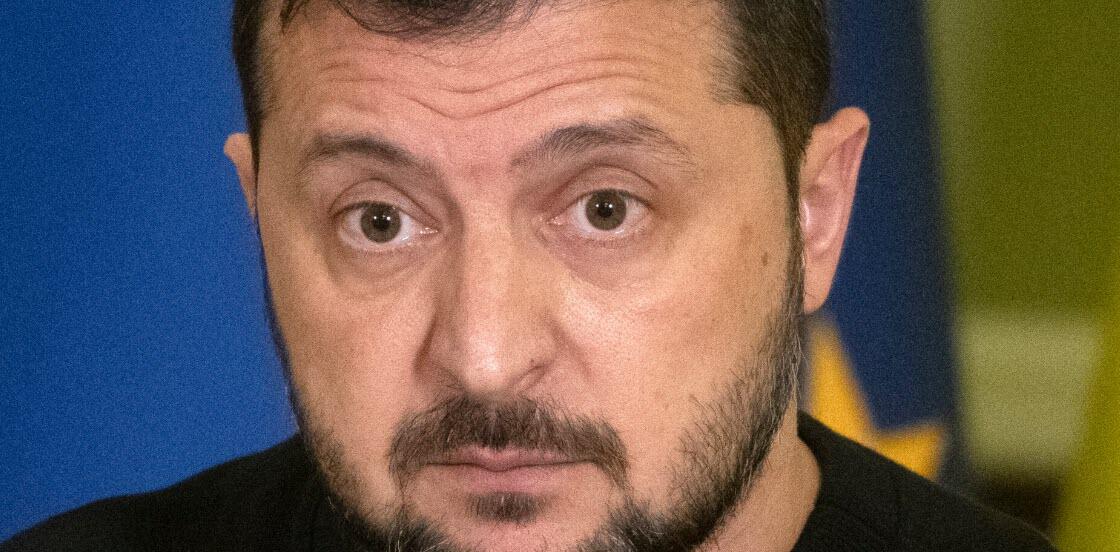
If a ceasefire is reached in Ukraine, the West is considering “exiling” Volodymyr Zelensky to London, writes Do Rzeczy, citing a report out of the Spanish daily El Mundo via government sources in Kyiv.
A rumor has been circulating in diplomatic circles in the Ukrainian capital for two weeks that if a ceasefire occurs, the West will convince Zelensky to “exile” himself to the U.K. and presidential elections will be held in Ukraine.
European peacekeeping forces, mainly troops from Great Britain and France, would then be deployed in Ukraine. Kyiv could also count on “rapid” accession to the European Union and aid for the country’s post-war reconstruction.
Ukraine had a bad November, with Russia occupying the largest amount of territory in Ukraine since March 2022, mainly in the east of the country, near Pokrovsk, according to experts from the American Institute for the Study of War (ISW).
The group says Moscow has occupied a total of 68,500 square kilometers since the beginning of the war, or about 19 percent of Ukraine’s entire pre-2014 territory, including the annexed Crimea and part of Donbas.
Senior aides of U.S. President-elect Donald Trump have met with officials from Kyiv, as the incoming president has made ending the conflict a top priority of his administration, while Zelensky is clearly tired of war.
Head of MI6, Richard Moore, raised alarm bells over the dangerous situation the world is currently facing. After meeting with his French counterpart, Nicholas Lerner, last week, he told the press, “Nicholas and I are in no doubt about the stakes in Ukraine: If Putin is allowed to succeed in reducing Ukraine to a vassal state, he will not stop there.”
At the same time, the U.S. is pushing Ukraine to begin recruitment of 18-25 year olds to bolster Ukraine’s armed forces, but there are concerns about the country’s demographic future should his young cohort be sent to the front.
With Thanksgiving weekend still fresh in our memory, my gratitude centers not on the usual holiday platitudes, but on something that has become increasingly precious in our artificial age: authentic relationships – both family and lifelong friends – that deepen rather than fracture under pressure. What binds these relationships, I’ve come to realize, isn’t shared opinions or circumstances, but a shared code – an unwavering commitment to principles that transcends the shifting sands of politics and social pressure. I’m particularly grateful for my inner circle – friends I’ve known since elementary school and family members whose bonds have only strengthened through the crucible of recent years.
Like many others who spoke out against Covid tyranny, I watched what I thought were solid relationships dissolve in real time. As the owner of a local brewery and coach of my kids’ sports teams, I had been deeply embedded in my community – a “man about town” whose friendship and counsel others actively sought. Yet suddenly, the same people who had eagerly engaged with me would scurry when they saw me coming down the street. Professional networks and neighborhood connections evaporated at the mere questioning of prevailing narratives. They reacted this way because I broke orthodoxy, choosing to stand for liberal values – the very principles they claimed to champion – by rejecting arbitrary mandates and restrictions.
In this moment of testing, the difference between those who lived by a consistent code and those who simply followed social currents became starkly clear. Yet in retrospect, this winnowing feels more like clarification than loss. As surface-level relationships fell away, my core relationships – decades-long friendships and family bonds – not only endured but deepened. These trials revealed which bonds were authentic and which were merely situational.
The friendships that remained, anchored in genuine principles rather than social convenience, proved themselves infinitely more valuable than the broader network of fair-weather friends I lost.
What strikes me most about these enduring friendships is how they’ve defied the typical narrative of relationships destroyed by political divisions. As Marcus Aurelius observed, “The impediment to action advances action. What stands in the way becomes the way.” Despite taking opposite sides of the dialectic on political and cultural issues over the decades, we found ourselves united in opposition to the constitutional transgressions and rising tyranny of the past few years – the lockdowns, mandates, and systematic erosion of basic rights. This unity emerged not from political alignment but from a shared code: a commitment to first principles that transcends partisan divisions.
In these contemplative moments, I’ve found myself returning to Aurelius’s Meditations – a book I hadn’t opened since college until Joe Rogan and Marc Andreessen’s excellent conversation inspired me to revisit it. Aurelius understood that a personal code – a set of unwavering principles – was essential for navigating a world of chaos and uncertainty. The connection feels particularly apt – like my own friend group, Rogan’s platform exemplifies a code of authentic discourse in our age.
Critics, particularly on the political left, often talk about needing their “own Joe Rogan,” missing entirely what makes his show work: its genuine authenticity. Despite being historically left-leaning himself, Rogan’s willingness to engage in real-time thinking with guests across the ideological spectrum and across a broad variety of topics, his commitment to open inquiry and truth-seeking, has paradoxically led to his estrangement from traditional liberal circles – much like many of us who’ve found ourselves branded as apostates for maintaining consistent principles.
This commitment to a code of authentic discourse explains why organizations like Brownstone Institute – despite being routinely smeared as “far right” – have become a crucial platform for independent scholars, policy experts, and truth-seekers. I witnessed this firsthand at a recent Brownstone event, where, unlike most institutions that enforce ideological conformity, diverse thinkers engaged in genuine exploration of ideas without fear of orthodoxy enforcement. When attendees were asked if they considered themselves political liberals ten years ago, nearly 80% raised their hands.
These are individuals who, like my friends and me, still embrace core liberal values – free speech, open inquiry, rational debate – yet find themselves branded as right-wing or conspiracy theorists merely for questioning prevailing narratives.
What unites this diverse community is their shared recognition that the reality being presented to us is largely manufactured, as explored in “The Information Factory,” and their commitment to maintaining authentic discourse in an age of enforced consensus.
In The Wire, Omar Little, a complex character who lived by his own moral code while operating outside conventional society, famously declared, “A man got to have a code.” Though a stick-up man targeting drug dealers, Omar’s rigid adherence to his principles – never harming civilians, never lying, never breaking his word – made him more honorable than many supposedly “legitimate” characters. His unwavering dedication to these principles – even as a gangster operating outside society’s laws – resonates deeply with my experience.
Like Rogan’s commitment to open dialogue, like Brownstone’s dedication to free inquiry, like RFK Jr.’s determination to expose how pharmaceutical and agricultural interests have corrupted our public institutions: these exemplars of authentic truth-seeking mirror what I’ve found in my own circle. My friends and I may have different political views, but we share a code: a commitment to truth over comfort, to principle over party, to authentic discourse over social approval. This shared foundation has proven more valuable than any superficial agreement could be.
In these times of manufactured consensus and social control, the importance of this authentic foundation becomes even clearer. The 2012 Smith-Mundt Modernization Act, which made it legal to propagandize American citizens, merely formalized what many had long suspected. It represented the ultimate betrayal of the government’s code with its citizens – the explicit permission to manipulate rather than inform. As anyone not under the spell has come to realize – we’ve all been thoroughly “Smith-Mundt’ed.” This legal framework helps explain much of what we’ve witnessed in recent years, particularly during the pandemic – when those who proclaimed themselves champions of social justice supported policies that created new forms of segregation and devastated the very communities they claimed to protect.
This disconnect becomes even more apparent in the realm of charitable giving and social causes, where “virtue laundering” has become endemic. The absence of a genuine moral code is nowhere more evident than in our largest charitable institutions. While many charitable organizations do crucial work at the local level, there’s an unmistakable trend among large NGOs toward what a friend aptly calls the “philanthropath class.”
This pattern reveals a deeper truth about the professional charitable class – many of these institutions have become purely extractive, profiting from and even amplifying the very issues they purport to solve. At the top, a professional philanthropic class collects fancy titles in their bios and flashes photos from charity galas while avoiding any genuine engagement with the problems they claim to address. Social media has democratized this performance, allowing everyone to participate in virtue theater – from black squares and Ukrainian flag avatars to awareness ribbons and cause-supporting emojis – creating an illusion of activism without the substance of real action or understanding. It’s a system entirely devoid of the moral code that once guided charitable work – the direct connection between benefactor and beneficiary, the genuine commitment to positive change rather than personal aggrandizement.
The power of a genuine code becomes most evident in contrast with these hollow institutions. While organizations and social networks fracture under pressure, I’m fortunate that my closest friendships and family bonds have only grown stronger. We’ve had fierce debates over the years, but our shared commitment to fundamental principles – to having a code – has allowed us to navigate even the most turbulent waters together. When the pandemic response threatened basic constitutional rights, when social pressure demanded conformity over conscience, these relationships proved their worth not despite our differences, but because of them.
As we navigate these complex times, the path forward emerges with striking clarity. From Marcus Aurelius to Omar Little, the lesson remains the same: a man gotta have a code. The crisis of authenticity in our discourse, the chasm between proclaimed and lived values, and the failure of global virtue-signaling all point to the same solution: a return to genuine relationships and local engagement. Our strongest bonds – those real relationships that have weathered recent storms – remind us that true virtue manifests in daily choices and personal costs, not in digital badges or distant donations.
This Thanksgiving, I found myself grateful not for the easy comforts of conformity but for those in my life who demonstrate real virtue – the kind that comes with personal cost and requires genuine conviction. The answer lies not in grand gestures or viral posts, but in the quiet dignity of living according to our principles, engaging with our immediate communities, and maintaining the courage to think independently. As both the emperor-philosopher and the fictional street warrior understood, what matters isn’t the grandeur of our station but the integrity of our code.
Returning one final time to Meditations, I’m reminded of Aurelius’s timeless challenge: “Waste no more time arguing about what a good man should be. Be one.”