Chapter 11 Bankruptcy Filings Increase 42%
Authored by Naveen Athrappully via The Epoch Times,
There were 644 commercial Chapter 11 bankruptcy filings in April 2026, a 42 percent yearly increase, according to a May 6 statement from the American Bankruptcy Institute (ABI).
A Chapter 11 bankruptcy seeks to reorganize a company’s debts, with the aim of keeping the business operational and, eventually, becoming solvent. This is the most common type of bankruptcy filing made by businesses.
Within the 644 commercial Chapter 11 filings last month, 301 were made by small businesses, up 46 percent year over year, ABI said.
Overall commercial filings, including Chapter 11 and other types of bankruptcies, rose 21 percent during this period to 3,060 filings this April.
Chapter 12 filings, which concern family farms and fisheries, surged 130 percent to 62 in April 2026, the highest monthly total since February 2020, according to the institute.
“Rising inflation, higher borrowing costs, and geopolitical uncertainty are intensifying the financial strain on families and businesses,” ABI Executive Director Amy Quackenboss said.
ABI “appreciates the momentum building in Congress to permanently expand access” for distressed small businesses looking to file bankruptcies for restructuring under Chapter 11, she said, referring to the Bankruptcy Threshold Adjustment Act of 2026.
The Act, introduced in March, seeks to permanently raise the small-business Chapter 11 bankruptcy debt threshold to $7.5 million, according to a March 5 statement from Rep. Ben Cline’s (R-Va.) office. The threshold is the maximum debt limit a small business owner can have while applying for such bankruptcy.
The higher limit will allow more small businesses to access a “faster, more cost-effective bankruptcy process” while they negotiate with creditors.
“The Bankruptcy Threshold Adjustment Act will give small businesses the certainty they need to reorganize, restructure, and keep operating when challenges arise,” Cline said.
“By permanently raising the eligibility threshold, we’re ensuring more job creators can access a streamlined and affordable bankruptcy process that helps them stay open, protect paychecks, and meet their obligations. Just as importantly, this bipartisan bill maintains the integrity of our bankruptcy system by keeping it self-supporting and fair for all who rely on it.”
Economic Indicators
While bankruptcy numbers are increasing, other economic indicators, such as employment and business sector activity, are giving mixed to positive signals.
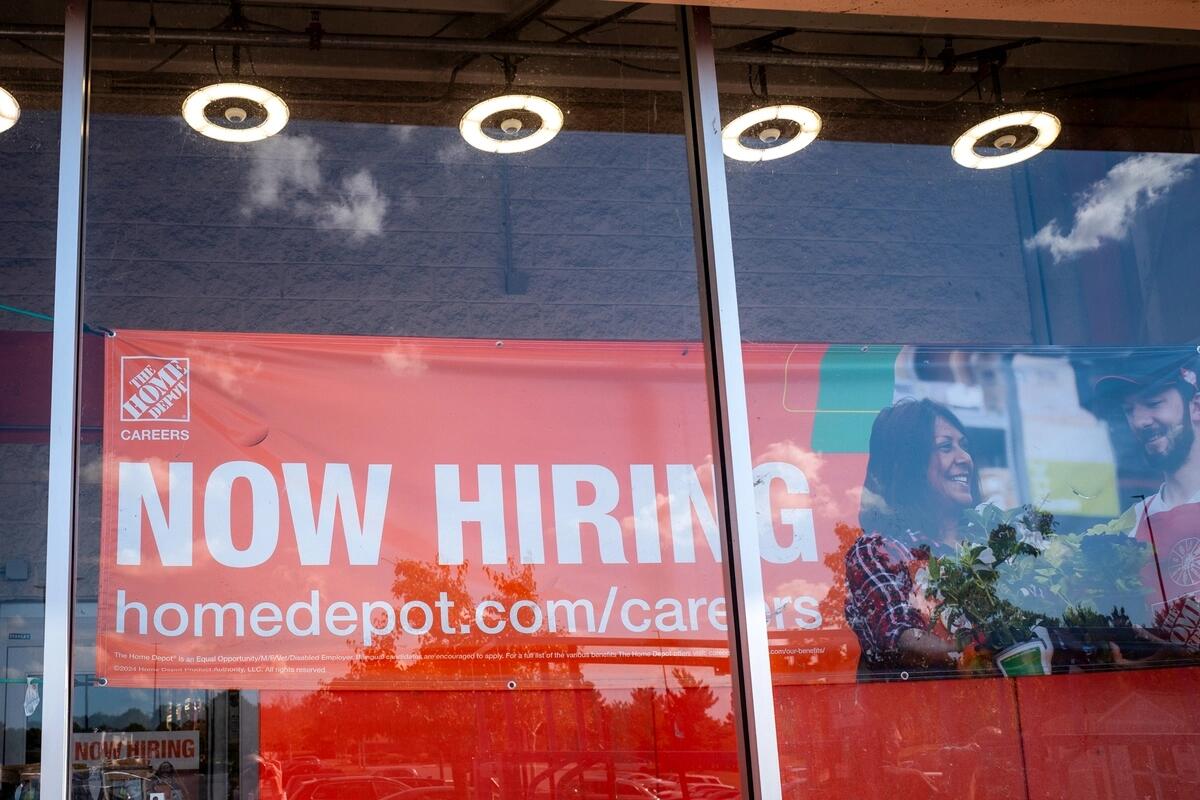
For instance, the initial unemployment weekly claims for the week ending May 2 stood at 200,000. While this was an increase of 10,000 claims compared to the previous week, the four-week moving average of the claims fell by 4,500 during this period.
In a May 7 statement, the National Federation of Independent Business (NFIB) said that its April jobs report indicates “softening” in the employment market.
The organization’s Small Business Employment Index declined for the second straight month in April. However, “even in a month with a weaker Employment Index, over half of small business owners reported hiring or trying to hire,” NFIB chief economist Bill Dunkelberg said.
Regarding business activity in the United States, five of seven sectors tracked by S&P Global registered higher activity in April than the previous month, according to a May 5 statement from the company.
In April, the health care, consumer goods, industrials, basic materials, and consumer services sectors grew month over month, while technology and financial sectors posted declines. Health care and consumer goods were the two top-performing sectors.
“The latest increase in Consumer Goods production was the steepest since April 2022,” S&P said. “This partly reflected advanced purchasing and customer stock building in response to expected price hikes, as the rate of new order growth surged to its highest since August 2021.”
As for the country’s overall economic growth, the first quarter 2026 U.S. GDP growth was 2 percent, up from 0.5 percent in the fourth quarter of 2025, according to an April 30 estimate by the Bureau of Economic Analysis.
In late April, Federal Reserve Chairman Jerome Powell said that U.S. growth was “really solid” across the economy.
“Some of that is that consumer spending is hanging in pretty well; the most recent data are good. And some of it is just the apparently insatiable demand for data centers all over the United States,” Powell said.
Tyler Durden
Fri, 05/08/2026 – 14:20
via ZeroHedge News https://ift.tt/ohcwN2I Tyler Durden